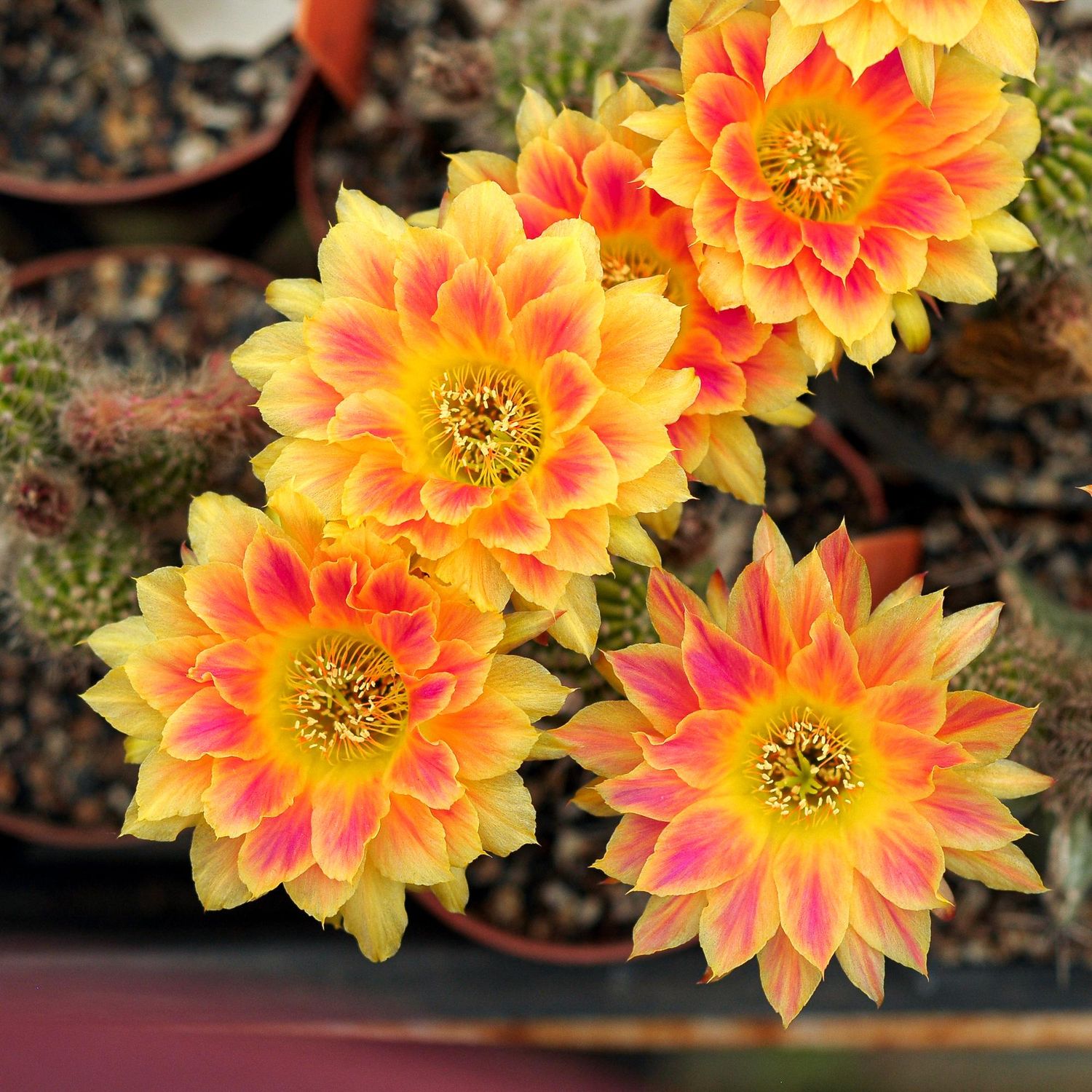
Radiant Blooms: Echinopsis hybrid 'Sunny'
A spectacular collector’s cactus featuring immense, sun-drenched yellow blooms that create a striking contrast against its structural green stem.
1. Origin & History of Name The genus name Echinopsis is derived from the Greek echinos (hedgehog) and opsis (appearance), a direct reference to the plant's dense spination.
2. Morphology This specimen features a globular to short-columnar stem with a rich green epidermis organized into distinct costae (ribs) adorned with tomentose areoles bearing sharp, radial spines. Its defining characteristic is the disproportionately large inflorescence; the flowers are funnelform with satin-textured tepals in brilliant yellow, often dwarfing the plant body itself during anthesis (flowering period). The bloom structure suggests a complex lineage involving Trichocereus genetics to achieve such volume.
3. Habitat & Origin Echinopsis 'Sunny' is a horticultural cultivar, artificially bred for floral size and color stability, and does not exist in the wild. Its genetic ancestors are native to the rocky slopes and grasslands of South America (specifically Argentina and Bolivia).
4. Cultivation Profile
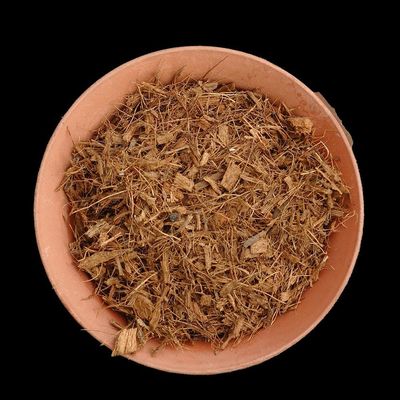
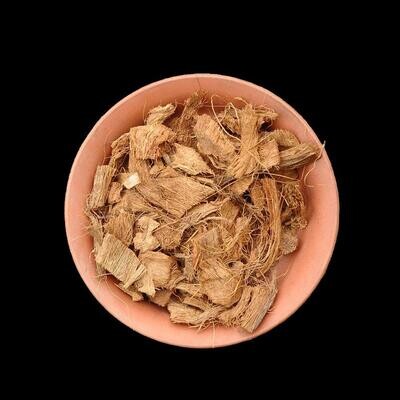
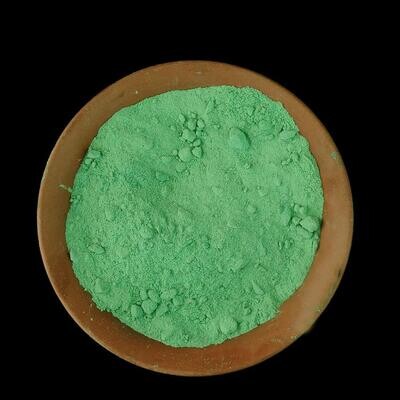
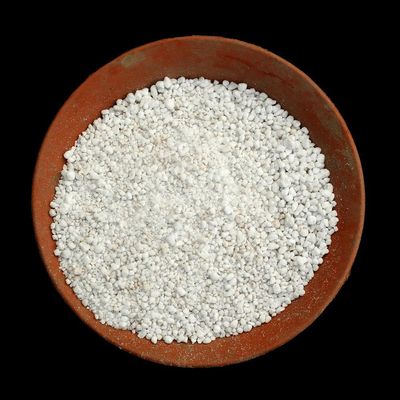
- Substrate: Utilize a highly porous, mineral-heavy mix (e.g., 70% pumice, cinder, or perlite with 30% organic soil) to ensure rapid drainage. Avoid heavy garden soils which retain moisture.
- Light: Requires bright, high-intensity light. In the Indian context, provide direct morning sunlight but utilize shade cloth or filtered light during the harsh midday peaks of May and June to prevent epidermal scorching.
- Water/Dormancy: Adopt the "soak and dry" method; water thoroughly only when the substrate is completely dry.
5. Scientific/Historical Anecdote Echinopsis species historically possess white, nocturnal flowers designed to attract moth pollinators.