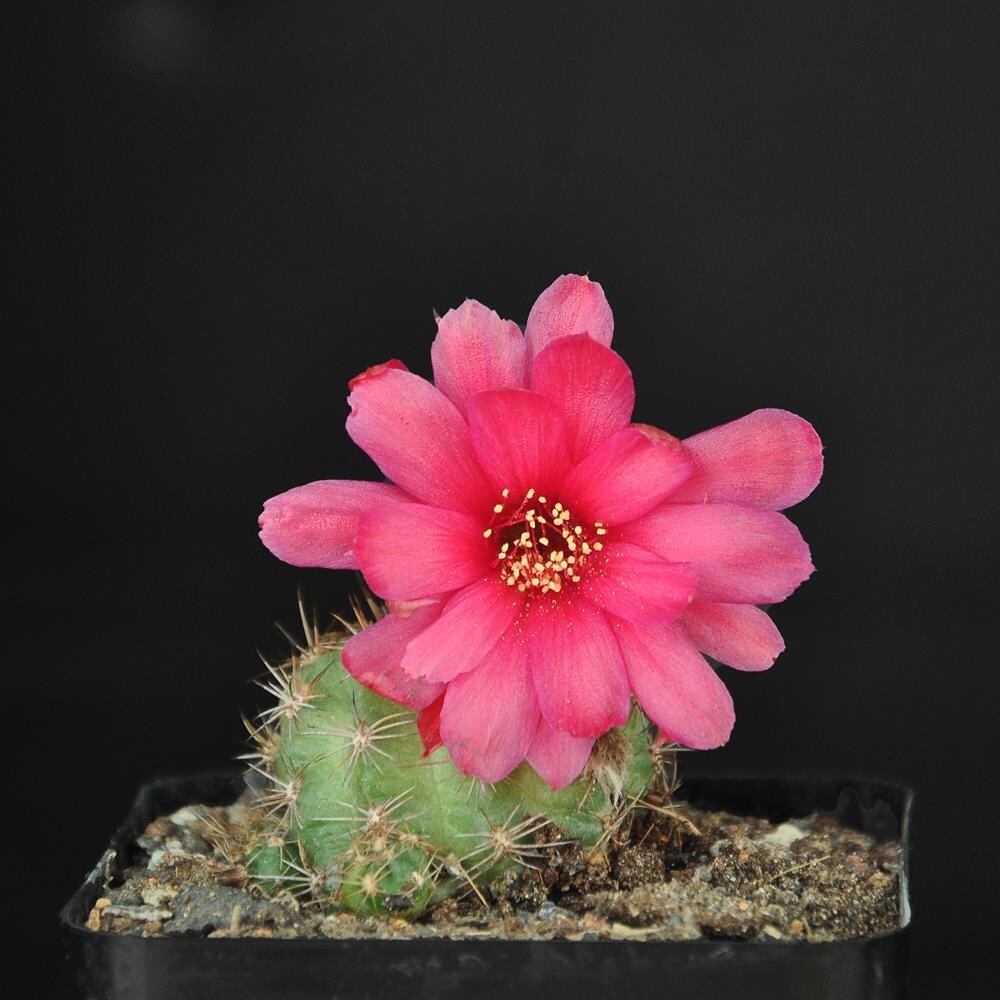
Crimson Chimera: Echinopsis Hybrid Variegated (Dark Red Flower)
A rare, chlorophyll-deficient cultivar combining architectural yellow-green stem variegation with large, deep crimson inflorescences.
1. Origin & History of Name The genus name Echinopsis is derived from the Ancient Greek echinos, meaning "hedgehog" or "sea urchin," and opsis, meaning "appearance," referring to the plant's dense spination.
2. Morphology This specimen exhibits variegation, a mutation resulting in a lack of chlorophyll in specific tissues, creating unpredictable patterns of yellow or cream across the green epidermis. The stem is typically globose to cylindrical with deep longitudinal costae (ribs) supporting areoles that bear short, sturdy spines.
3. Habitat & Origin This plant is a nursery-produced cultivar and does not exist in the wild.
4. Cultivation Profile (Indian Context)
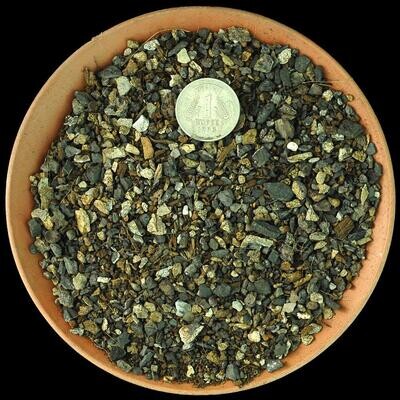
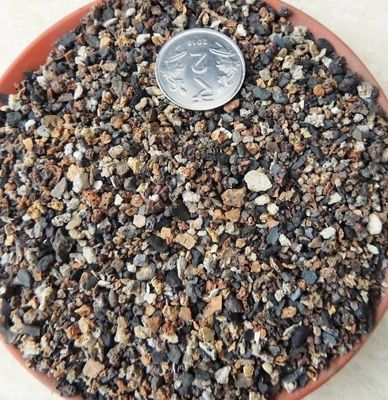
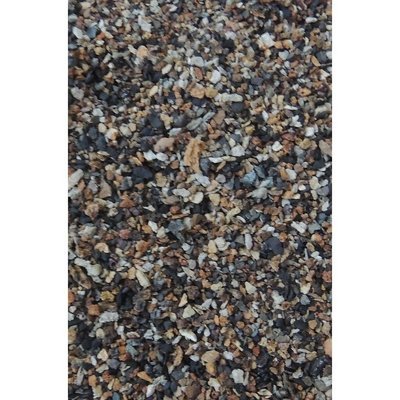
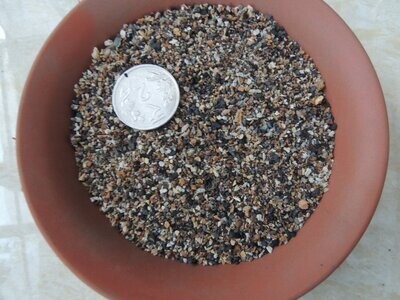
- Substrate: Requires a highly porous, mineral-heavy mix to prevent root rot. Use a blend of 70% drainage material (pumice, perlite, or grit) and 30% organic matter (vermiculite or sterile compost).
- Light: Needs bright, filtered sunlight. In the Indian climate, protect from the harsh midday sun (12 PM – 4 PM) to prevent scorching the variegated tissue, which lacks protective pigments. Morning sun is ideal.
- Water & Dormancy: Water thoroughly only when the substrate is completely dry (check with a skewer).
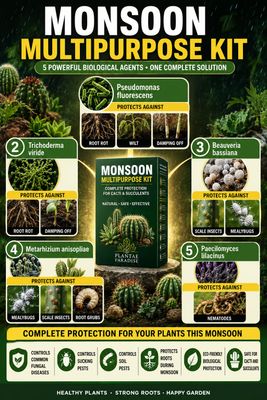
- Summer/Monsoon: Ensure protection from rain; high humidity combined with wet soil causes rapid rot.
- Winter: Induce a dry dormancy period (November–February) to encourage blooming in spring.
5. Scientific/Historical Anecdote Echinopsis has a complex taxonomic history and is often referred to as the "Easter Lily Cactus" due to the remarkable size and beauty of its flowers relative to the plant body.