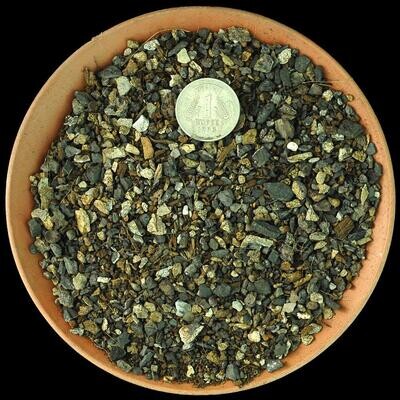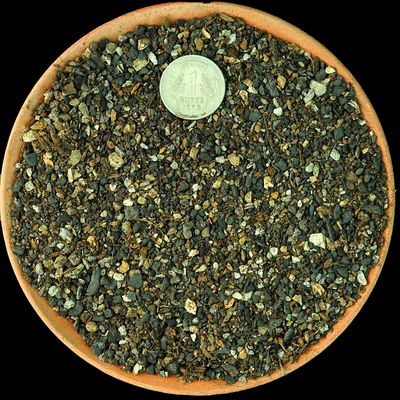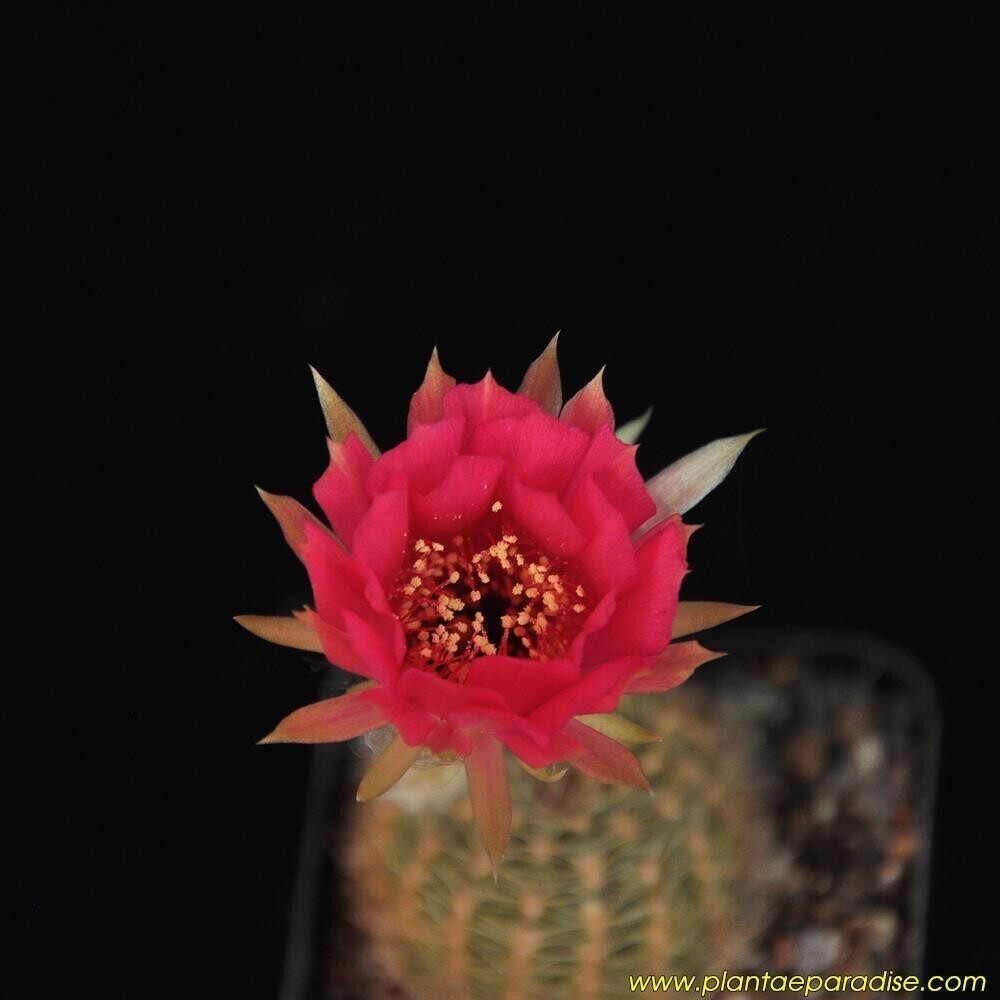
Echinopsis Mamillosa Var. Kermesina
Product Details
Radiant Magenta Bloom: Echinopsis mamillosa var. kermesina
A rare architectural gem prized for its dramatic, bi-color floral display and symmetrical form.
- Origin & History of Name: The genus name Echinopsis derives from the Greek echinos (hedgehog or sea urchin) and opsis (appearance), referring to the plant's spiny, rounded growth.
- Morphology: This solitary globose cactus features a dark green epidermis with 17–22 distinct costae (ribs) that are deeply notched. The areoles are circular and felted, bearing short, straight radial spines. Its most striking feature is the funnelform flower; the narrow, pointed petals exhibit a gradient effect, transitioning from a saturated magenta center to a unique pale copper or tan hue at the distal tips.
- Habitat & Origin: Echinopsis mamillosa is a wild species native to the high-altitude regions of Tarija, Bolivia.
- Cultivation Profile:
- Substrate: Use a strictly mineral-based mix (70% grit/pumice/perlite and 30% organic matter) to ensure rapid drainage.
- Light: Requires bright, filtered sunlight. In the Indian subcontinent, provide 40–50% shade during peak summer afternoons to prevent epidermal scorching.
- Water & Dormancy: Water thoroughly when the substrate is completely dry during the growing season (March–September). Maintain strict dry dormancy from November to February to trigger bud initiation for spring.
- Scientific/Historical Anecdote: Echinopsis species were among the first cacti to be extensively hybridized in Europe during the 19th century.
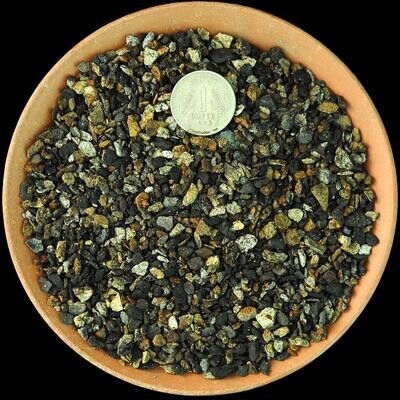
Cactus & Succulent Planting Mix COARSE (aka Cactus Soil Mix or Succulent Soil Mix)
Cactus & Succulent Planting Mix COARSE (aka Cactus Soil Mix or Succulent Soil Mix)
Washed, Free-Draining Mineral Mix for Cactus & Succulents
SKU MNS003
₹38.74
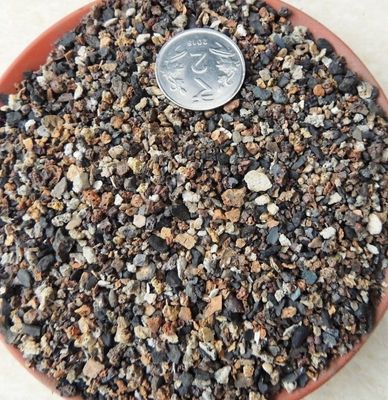
Cactus & Succulent Planting Mix FINE (aka Cactus Soil Mix or Succulent Soil Mix)
Cactus & Succulent Planting Mix FINE (aka Cactus Soil Mix or Succulent Soil Mix)
Fine-Grain Potting Mix for Cactus & Succulent Roots
SKU MNS001
₹33.74