Illuminate your garden with the vibrant, sun-drenched hues of the Echinopsis 'OAXACA Light'. This hybrid is a masterclass in saturation, offering a dense, multi-petaled bloom that captures the energetic spirit of the Mexican region for which it is named.
1. Breeding History
The development of Echinopsis hybrids is a legacy of botanical artistry aimed at producing flowers that rival the size and complexity of tropical lilies. . Every hybrid is assigned a unique identification number, and we manage an extensive library of original mother plants to ensure the pedigree remains pure. Because seed-grown plants can vary significantly, all 'OAXACA Light' specimens for sale are vegetatively propagated. This ensures that the radiant orange color and the specific "short-tube" structure are perfectly preserved in every plant we ship.
2. Origin of Name
The name 'OAXACA' (pronounced wa-ha-ka) is derived from the Zapotec word Huāxyacac, referring to the "place of the guaje trees." The state of Oaxaca in Mexico is world-renowned for its vibrant textile arts, colorful festivals, and rich sunsets. The epithet 'Light' was added to denote the specific radiant, glowing quality of this hybrid’s orange petals. The name choice is descriptive of the plant’s "cultural personality"—bold, warm, and visually festive—reflecting the deep oranges found in the traditional marigolds (Cempasúchil) and the sun-lit architecture of Southern Mexico.
3. Origin of Plant
While 'OAXACA Light' is a modern garden hybrid, its genetic ancestors are native to the high-altitude plateaus and rocky slopes of the South American Andes, primarily in Argentina and Bolivia. These wild species were first documented by explorers in the 19th century. Hybridizers have since taken the rugged, drought-resistant qualities of these mountain-dwellers and combined them with the brilliant pigments of other species to create the show-stopping cultivar you see today.
4. Description
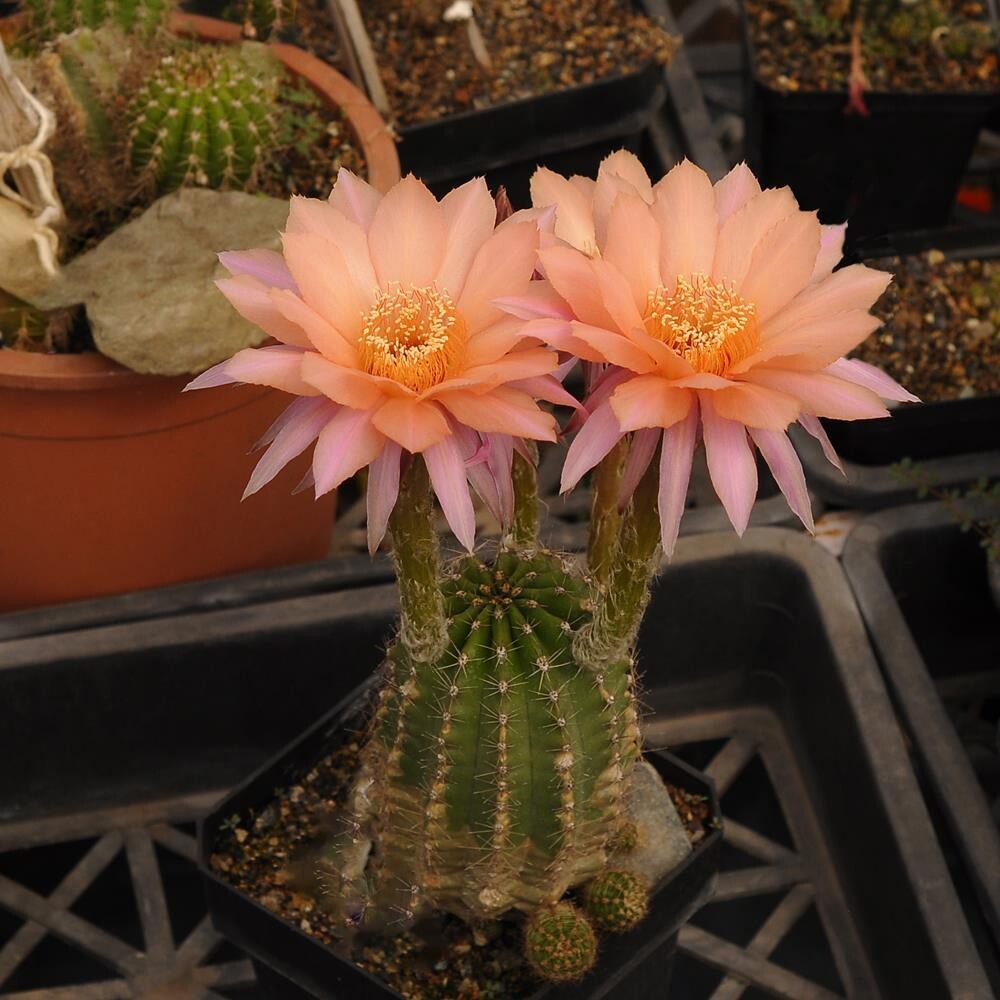
Echinopsis 'OAXACA Light' is distinguished by its exceptionally radiant orange flowers.
- Petals: This hybrid features multipetals—multiple dense layers of overlapping petals that create a full, ruffled appearance. The color is a deep, glowing orange that appears almost neon under bright sunlight.
- Structure: Unlike many Echinopsis that have long, spindly necks, this variety features a short floral tube. This makes the largish flower appear to sit directly against the plant’s body, creating a more compact and balanced ornamental look.
- Plant Body: The cactus is a classic dark green, ribbed globe with a neat arrangement of radial spines. Its sturdy, compact growth habit makes it an excellent candidate for decorative containers or rock gardens.
5. Conservation Status
As a cultivated hybrid, 'OAXACA Light' is widely available in horticulture and is considered common in cultivation. It is not a wild-occurring species and therefore is not endangered. However, the trade of such hybrids is a key component of conservation; by providing enthusiasts with beautiful, nursery-grown options, we reduce the illegal collection of wild cacti from South American habitats, protecting the biodiversity of the Andes.
6. Care
- Light: Thrives in full sun to very bright, indirect light. High light levels are essential to trigger the production of its multi-petaled orange blooms.
- Watering: Use the standard "soak and dry" method. Drench the soil and then allow it to dry out completely. During the winter dormancy, keep the plant mostly dry.
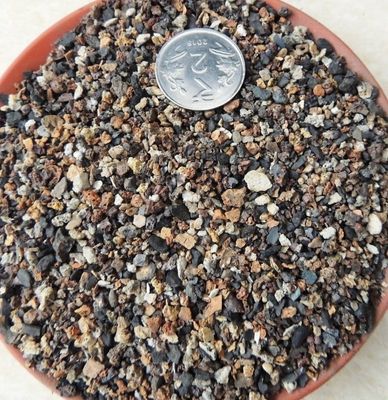
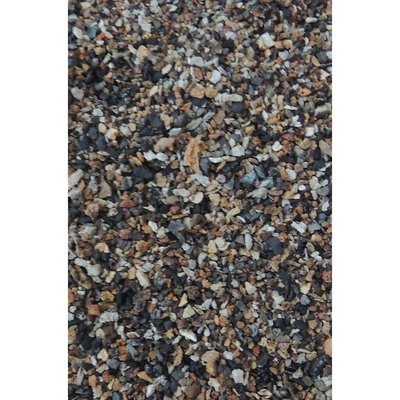
- Soil: Requires a porous, fast-draining mineral substrate. A mix of 60% inorganic material (pumice, grit, or perlite) and 40% organic potting soil is recommended.
- Temperature: Best grown in temperatures between 50°F and 90°F. While it can handle brief cold snaps if the soil is dry, it should be protected from hard frosts.
7. Interesting Anecdote
In the world of Echinopsis collecting, "short-tubed" hybrids like 'OAXACA Light' are often called "Body-Huggers." Historically, breeders struggled to create large flowers that didn't have weak, floppy tubes. When 'OAXACA Light' was developed, it was celebrated for its "stout" architecture. The flower is so large and the tube so short that during a heavy bloom, the plant looks like a small green pedestal completely swallowed by a giant, orange firework. It has become a favorite for photographers because the flower remains perfectly upright and stable, posing elegantly for the camera.