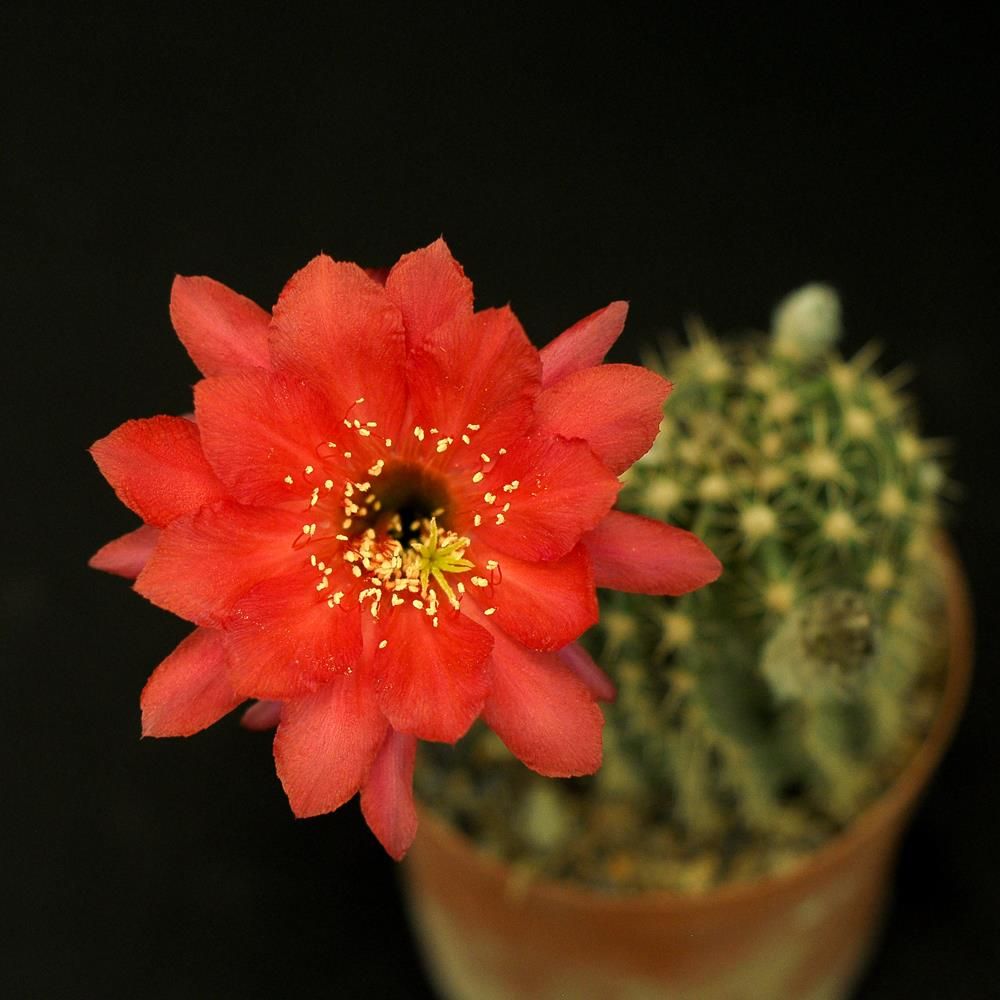
Very dark Red Echinopsis hybrid.
A fiery, blood-red Echinopsis bloom with sharply pointed petals arranged in a tight, radiant starburst around a dark, smouldering throat, lit from within by a scatter of golden stamens and a fresh green stigma. Compact and densely spined, this hybrid produces a single flower of striking intensity — a small plant carrying a name meant to command respect.
Origin of Name
'Saragarhi' is a cultivar name rather than a botanical one, borrowing one of the most revered names in military history. Saragarhi was a small signalling outpost in the Kohat district of the North-West Frontier, on the Samana Range in what is now Pakistan, built to relay heliograph messages between two forts, Lockhart and Gulistan, that could not otherwise see one another. On 12 September 1897, a garrison of just 21 soldiers of the 36th Sikhs, under Havildar Ishar Singh, held the post against an assault by somewhere between 10,000 and 12,000 Afghan Orakzai and Afridi tribesmen. Rather than retreat, the defenders fought to the last, buying crucial time for Fort Gulistan to prepare its defenses. Every one of the 21 was killed, and every one was posthumously awarded the Indian Order of Merit — at the time the highest gallantry honor an Indian soldier could receive, equivalent to the Victoria Cross. The battle is still marked every year on 12 September as Saragarhi Day, one of the most solemn dates on the Sikh Regiment's calendar.
For a hybridizer, a flower this saturated in deep red, opening bold and singular against its own spines, calls naturally on a name built around courage and sacrifice — Saragarhi has become, in the century-plus since, a byword for standing one's ground against impossible odds. As with most hobbyist- and specialist-raised Echinopsis hybrids traded among collectors worldwide, a published cross record or named breeder for this particular clone isn't part of the widely available literature — it circulates on the strength of the flower alone.
The genus name Echinopsis has a better-documented history: coined by German botanist Joseph Gerhard Zuccarini from Greek echinos ("hedgehog") and -opsis ("resembling"). Over the 20th and 21st centuries it absorbed genera like Trichocereus and Lobivia, making it one of the most hybridized genera in the cactus family.
Origin of Plant
Like all named Echinopsis cultivars, 'Saragarhi' has no wild habitat of its own — a garden-bred hybrid rather than a species collected from nature, though its genetic heritage traces to South America's Echinopsis ancestors across Argentina, Bolivia, Peru, Brazil, Paraguay, and Uruguay. Twentieth-century hybridizers, from Harry Johnson through Robert Schick (whose 128 hybrids came out of the Huntington Botanical Gardens, 1986–2004), crossed large-flowered columnar species with smaller globular ones to produce ever bigger, richer-colored blooms — the lineage this hybrid belongs to.
Description
The plant itself is a compact, globular, ribbed cactus densely armed with fine, radiating spines in cream and tan, offsetting from the base to form a clustering colony of heads — a tidy, well-defended little plant giving no hint, most of the year, of the intensity of color it can produce. The flower opens on a short, spine-flecked tube close against the plant's own defenses, unfurling into a tight, radiant bloom of narrow, sharply pointed petals in deep, saturated red — brightening slightly at the tips, deepening to near-black at the very center of the throat. From that dark heart, golden-cream stamens and a fresh green, star-shaped stigma catch the light. True to Echinopsis form, the flower is fleeting — typically open only a single day — but intense enough to be remembered well after it fades.
Conservation Status
As a cultivated hybrid, it has no IUCN status of its own — propagated by offsets and cuttings, not wild-collected. Its Echinopsis ancestors are mostly not broadly threatened, though wild-collected cacti trade is regulated under CITES Appendix II. Nursery-grown hybrids are always the sustainable choice.
Care
Light: Bright light is essential for strong flowering — a sunny window or several hours of direct outdoor sun, with shelter from harsh midday sun in very hot climates.
Watering: Water deeply spring through early autumn, drying fully between waterings; keep nearly dry through winter dormancy.
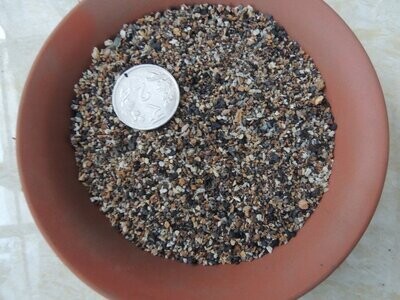
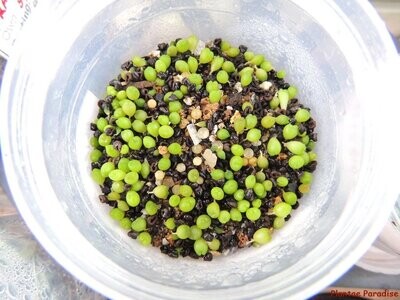
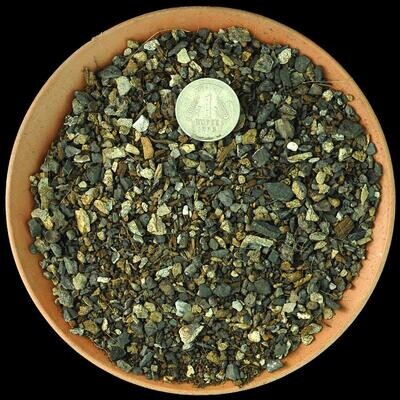
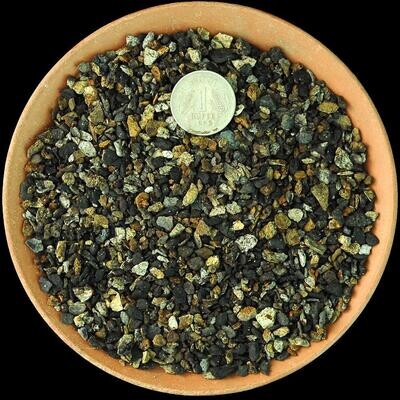
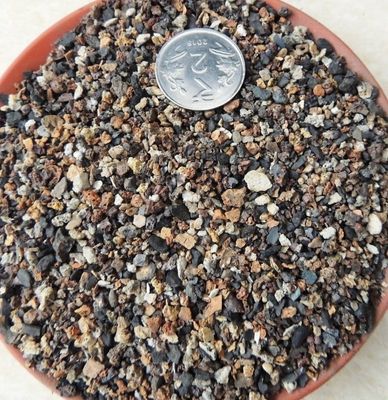
Soil: Fast-draining, mineral-rich cactus mix amended with pumice, perlite, or coarse sand.
Temperature: Handles typical summer heat easily; keep above ~5°C (41°F) in winter and protect from frost.
General tips: Rooted offsets can be potted separately; repot every couple of years and feed with diluted, low-nitrogen fertilizer through the growing season.
An Interesting Note
What makes the Battle of Saragarhi remarkable isn't just the outcome — every defender killed, thousands of attackers held at bay for most of a day — but that the engagement was relayed almost in real time. Sepoy Gurmukh Singh, the post's signalman, kept heliographing updates back to Colonel Haughton at Fort Lockhart even as the walls were breached, reportedly signalling until the very end. It's a rare thing in military history to have a near-contemporary account of a last stand as it unfolded rather than pieced together afterward — part of why Saragarhi is still taught, filmed, and commemorated well over a century later. A flower that names itself after that kind of resolve carries a fairly serious promise: brief as it is, when it opens, it isn't shy about it.