

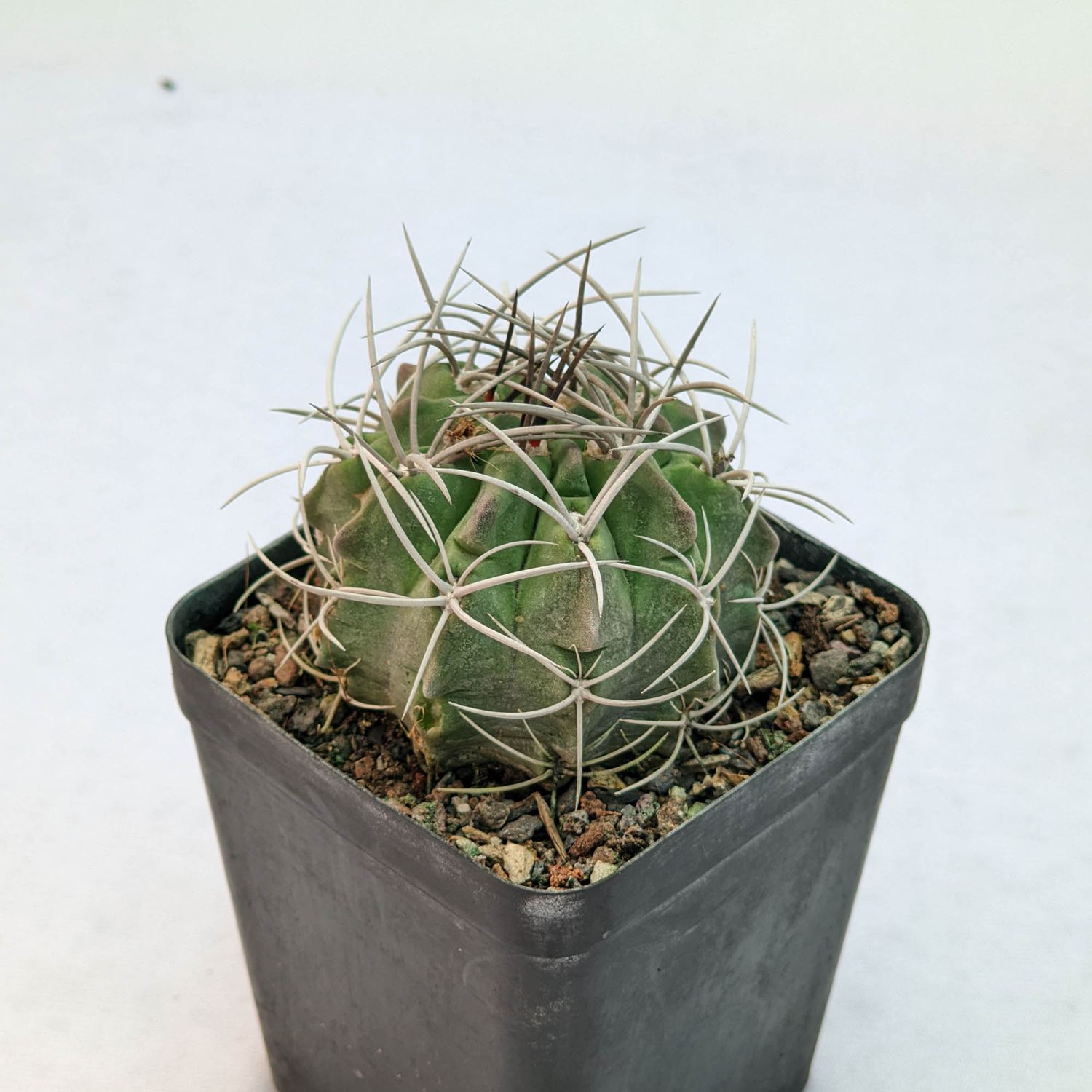
Eriosyce heinrichiana
Product Details
Chilenian Dark Gem: Eriosyce heinrichiana
A sought-after Chilean treasure prized for its brooding, near-black epidermis and architectural spine clusters.
- Origin & History of Name: The genus name Eriosyce is derived from the Greek erion (wool) and syke (fig), referring to the woolly fruit.
This specific species was named by German botanist Curt Backeberg in 1942 to honor Walter Heinrich, a dedicated German cactus enthusiast and collector of the early 20th century. - Morphology: This geophytic cactus features a globose to elongated epidermis that ranges from olive green to a deep, dark brown-black. It is characterized by distinct costae (ribs) divided into prominent tubercles.
Its areoles produce stiff, curved spines that provide a stark contrast against the dark body, while the apical meristem produces funnel-shaped flowers ranging from cream to pale pink. - Habitat & Origin: This is a wild species native to the arid coastal ranges and inland valleys of the Coquimbo region in Chile. It is highly adapted to extreme rocky terrains. To ensure conservation, our specimens are exclusively nursery-grown from seed, protecting wild populations from poaching and habitat loss.
- Cultivation Profile:
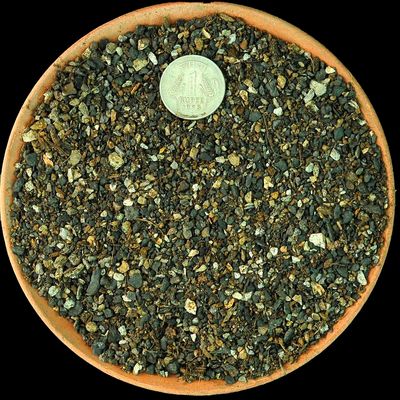
- Substrate: A strictly mineral-based mix is essential.
Use a ratio of 70% inorganic material (pumice, perlite, or crushed brick) and 30% organic matter to prevent root rot. - Light: Requires bright, filtered sunlight.
In the intense Indian summer, provide 30-50% shade cloth protection during peak afternoon hours (12 PM – 4 PM) to prevent epidermis scorching. - Water/Dormancy: Water deeply only when the substrate is completely bone-dry.
During the humid monsoon and peak winter, withhold water almost entirely as the plant enters a semi-dormant state; excessive moisture in high humidity is its primary threat.
- Substrate: A strictly mineral-based mix is essential.
- Scientific/Historical Anecdote: For decades, this plant was a "taxonomic nomad," frequently moved between the genera Neochilenia, Horridocactus, and Pyrrhocactus. It wasn't until DNA sequencing and modern morphological studies in the 1990s that botanists consolidated these diverse Chilean groups under the single genus Eriosyce, acknowledging their shared evolutionary ancestry despite their vastly different appearances.
New
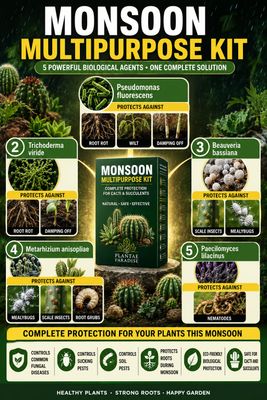
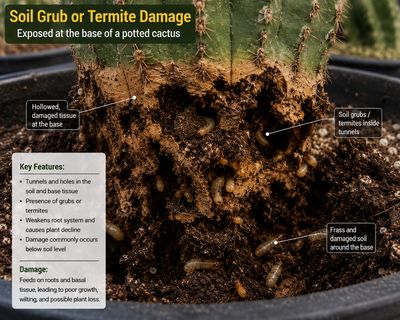
Monsoon Guardian Kit (5 in 1)
Monsoon Guardian Kit (5 in 1)
Complete 5-in-1 biological protection kit for cacti & succulents
SKU MNS024
₹850.00
Cactus Seed Planting Mix
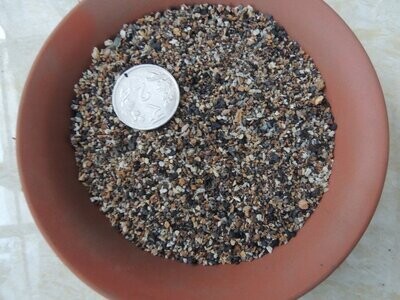
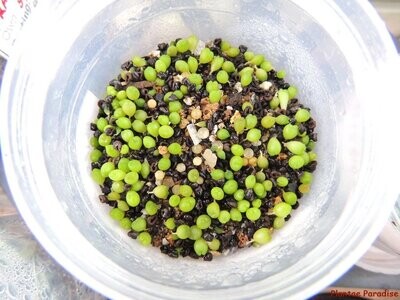
Cactus Seed Planting Mix
Sterile, Fine-Grain Media for Cactus & Succulent Seeds
SKU MNS005
₹74.85
Cactus & Succulent Planting Mix COARSE (aka Cactus Soil Mix or Succulent Soil Mix)
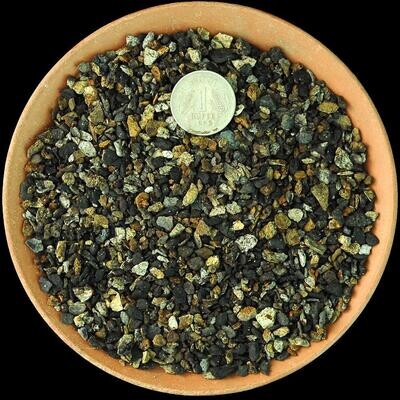
Cactus & Succulent Planting Mix COARSE (aka Cactus Soil Mix or Succulent Soil Mix)
Washed, Free-Draining Mineral Mix for Cactus & Succulents
SKU MNS003
₹44.85