

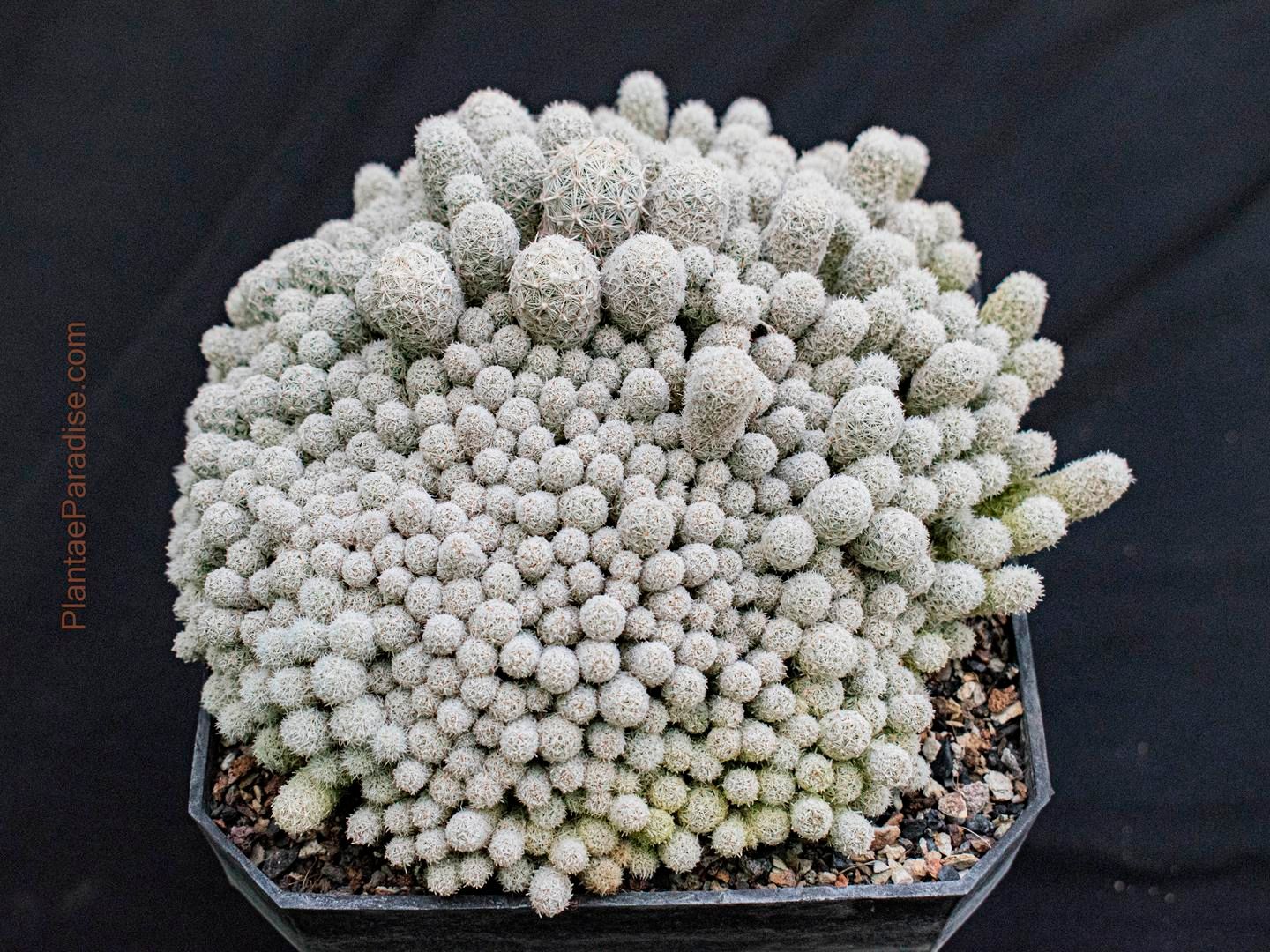
Escobaria sneedii var. sneedii
Product Details
Tiny Fortress: The Resilient Escobaria sneedii var. sneedii
An exquisite, miniature marvel for the serious collector, prized for its dense snow-white spines and rare desert provenance.
- Origin & History of Name The genus Escobaria honors Romulo and Numa Escobar, two prominent Mexican brothers and botanists of the early 20th century.
The varietal name sneedii commemorates J.R. Sneed, who first discovered the plant in 1923 in the Franklin Mountains of Texas. Historically, this species has been a subject of taxonomic debate, occasionally being shuffled into the genus Coryphantha before its current classification was solidified. - Morphology This miniature cactus is characterized by its cylindrical epidermis which becomes entirely obscured by a dense network of bright white radial spines. Unlike many cacti, it lacks prominent costae (ribs), instead featuring small, distinct tubercles (nipple-like bumps) that facilitate the cluster-forming growth habit. In spring, it produces delicate, funnel-shaped flowers ranging from pale pink to brownish-white, emerging from the apical meristem (the growth tip).
- Habitat & Origin Escobaria sneedii var. sneedii is a rare wild species native to a very specific limestone-rich corridor in the Franklin Mountains of Texas and parts of New Mexico, USA.
It is currently listed as an endangered species in its native habitat; therefore, all specimens offered are strictly nursery-propagated via sustainable cultivation to ensure the preservation of wild populations. - Cultivation Profile
- Substrate: Requires a strictly mineral-based mix. Use a ratio of 70% inorganic material (pumice, perlite, or crushed brick) and 30% organic matter. In the Indian climate, ensure the pot is porous (terracotta is ideal) to prevent heat-trapping.
- Light: High-intensity light is mandatory. In most parts of India, it thrives in full sun, though a 25% shade net is recommended during the extreme peak of May and June.
- Water/Dormancy: Adopt a "soak and dry" method during the growing season (March–September). In the Indian monsoon, protect from humidity and rain. During winter, enter a strict dry dormancy to mimic its high-altitude desert origin.
- Scientific/Historical Anecdote This plant is a master of thermal regulation. Because its spines are so densely packed, they create a "boundary layer" of still air around the plant body. This biological engineering allows the cactus to survive both the freezing mountain nights and the scorching desert afternoons by insulating the tissue against rapid temperature fluctuations.
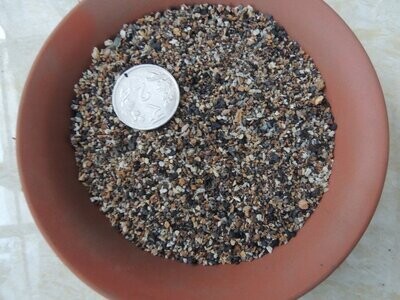
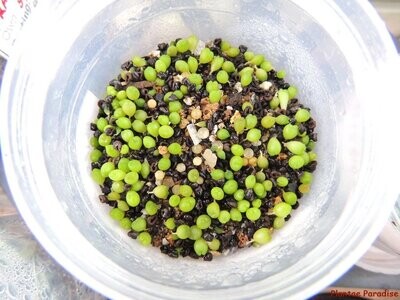
Cactus Seed Planting Mix
Cactus Seed Planting Mix
Sterile, Fine-Grain Media for Cactus & Succulent Seeds
SKU MNS005
₹74.85
New

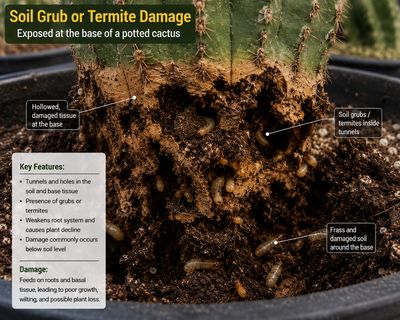
Monsoon Guardian Kit (5 in 1)
Monsoon Guardian Kit (5 in 1)
Complete 5-in-1 biological protection kit for cacti & succulents
SKU MNS024
₹850.00
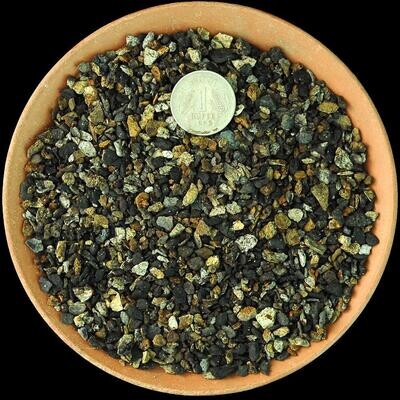
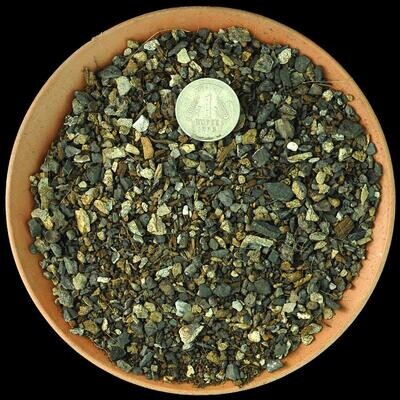
Cactus & Succulent Planting Mix COARSE (aka Cactus Soil Mix or Succulent Soil Mix)
Cactus & Succulent Planting Mix COARSE (aka Cactus Soil Mix or Succulent Soil Mix)
Washed, Free-Draining Mineral Mix for Cactus & Succulents
SKU MNS003
₹44.85