Origin of Name
Escobaria roseana SB 277, known by its locality name "Los Imagines," is classified within the Escobaria genus, which is named in honor of Rómulo Escobar Zerman, a Mexican cactus enthusiast and botanist. The species name "roseana" reflects a characteristic of the plant, such as rose-like qualities in its appearance or bloom. The designation "SB 277" is a field collection number, indicating the specific location or collection event associated with this specimen, which is a common practice in botanical exploration and documentation. "Los Imagines" refers to the specific locality where this plant variety was found or collected, providing a geographic connection to its natural habitat.
Technical Description of Plant
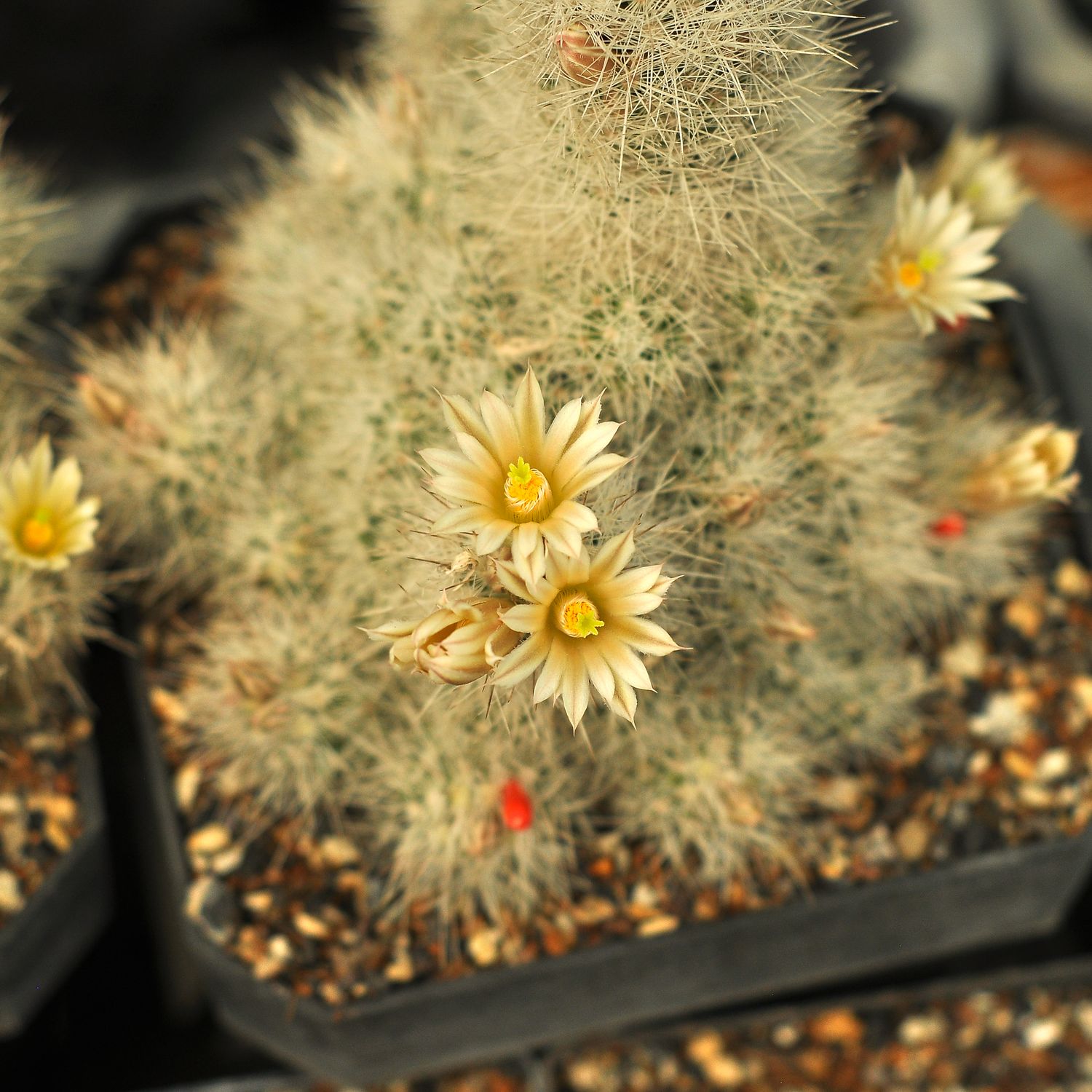
Escobaria roseana SB 277 (Los Imagines) is a small, globular to cylindrical cactus known for its dense covering of spines. The plant typically grows solitary but may occasionally form small clusters. Its spines are white to yellowish, sometimes with darker tips, providing a striking contrast against the green body of the cactus. This variety is particularly noted for its vibrant flowers, which can range in color from pink to magenta, blooming in late spring to early summer. The flowers are relatively large in comparison to the body of the plant, adding significant ornamental value.
Origin of Plant
Escobaria roseana is native to specific regions within Mexico, adapted to rocky and arid environments. Mexico: mountains of south-eastern Coahuila and adjacent Nuevo León (extent of occurrence less than 6 km²)
Conservation Status
While the specific conservation status of Escobaria roseana SB 277 (Los Imagines) may not be individually listed, cacti in general, and particularly those with limited distributions, face threats from habitat destruction, illegal collection, and climate change. Conservation efforts are crucial for preserving the natural diversity and sustainability of these species in their native habitats.
Care Instructions
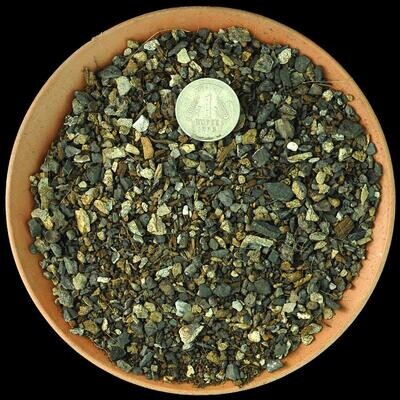
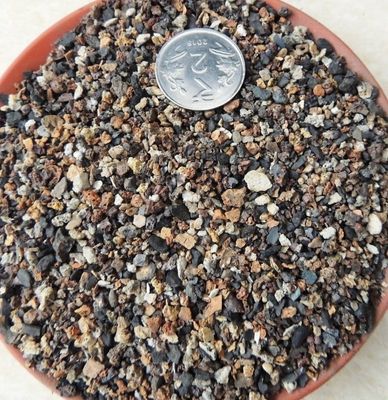
Escobaria roseana SB 277 (Los Imagines) thrives in full sun to partial shade, with bright light enhancing its spine coloration and flowering potential. It requires a well-draining soil mix, typical for cacti, to prevent root rot. Water moderately during the growing season when the soil completely dries out, and reduce watering significantly during the dormant winter months. This variety is cold-resistant to a degree but should be protected from frost to prevent damage. Fertilize sparingly with a cactus-specific fertilizer in the spring to encourage healthy growth and blooming.