

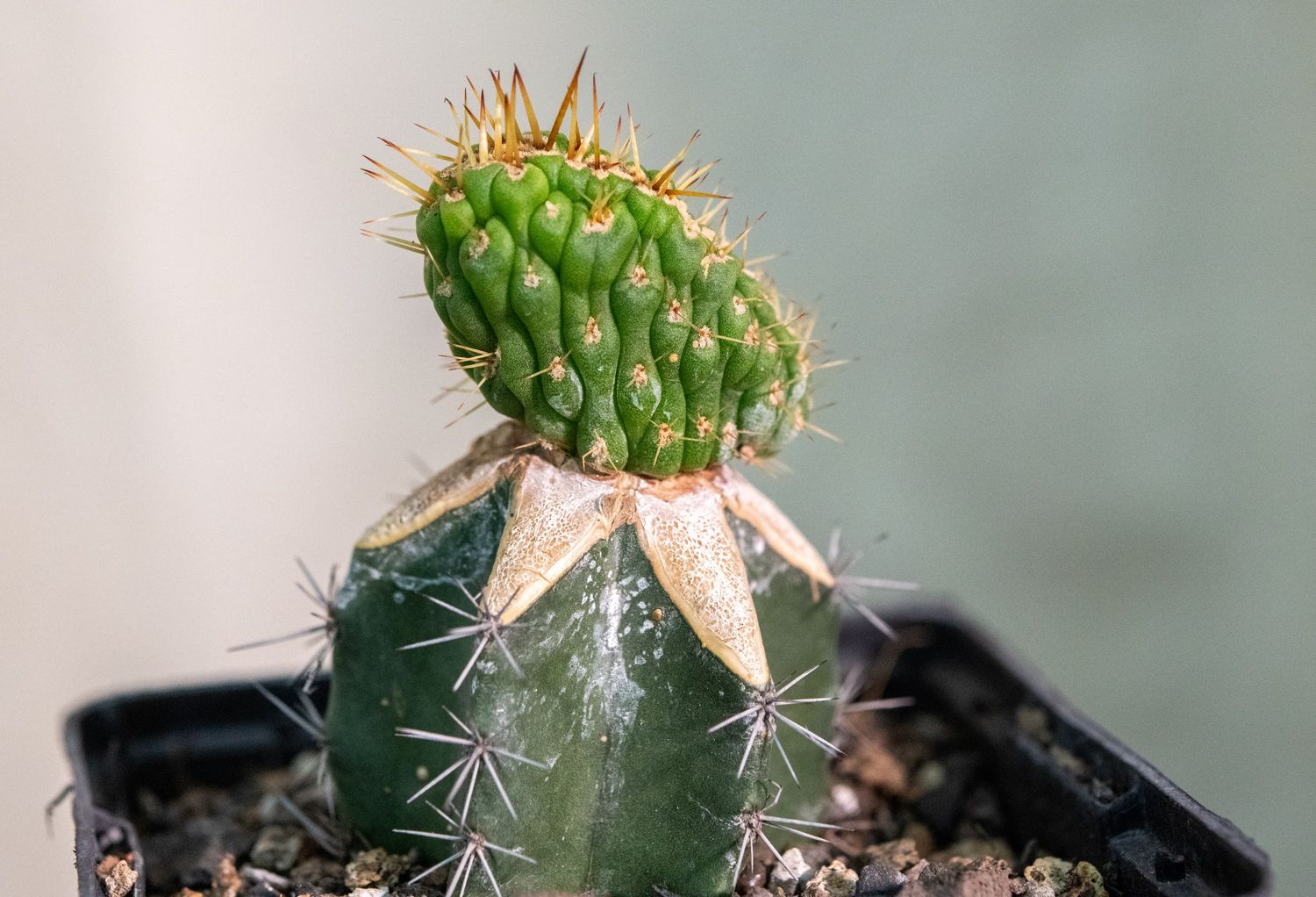
Eulychnia castanea cv. varispiralis cristata
Product Details
The Sculptural Marvel: Eulychnia castanea cv. varispiralis cristata
A living masterpiece of spiraling, crested geometry that serves as the ultimate crown jewel for any serious succulent collection.
- Origin & History of Name: The genus name Eulychnia is derived from the Greek eu (true/beautiful) and lychnos (lamp/candelabrum), referring to the plant's upright growth habit. The species name castanea means "chestnut-colored," noting the hue of its spines. The cultivar name varispiralis cristata describes its unique mutation: vari (variable), spiralis (twisting), and cristata (crested), signifying a plant that simultaneously twists and fans out due to a fascinating genetic glitch in its growth point.
- Morphology: This plant is a rare morphological hybrid of two mutations. It features a waxy, glaucous epidermis (outer skin) and lacks the traditional vertical costae (ribs) of its ancestors. Instead, it grows in a cristate (crested) fashion, forming brain-like folds and ridges. The "varispiralis" influence causes the stems to contort and spiral unpredictably, resulting in a dense, sculptural mound of green tissue that resembles coral or abstract art.
- Habitat & Origin: This is a strictly man-made cultivar and does not exist in the wild. While the parent species, Eulychnia castanea, is native to the coastal regions of Chile, this specific form was developed through selective breeding and the isolation of "monstrose" mutations in specialized nurseries. To ensure sustainability, ensure your specimen is nursery-grown rather than poached from habitat-sourced mother plants.
- Cultivation Profile:
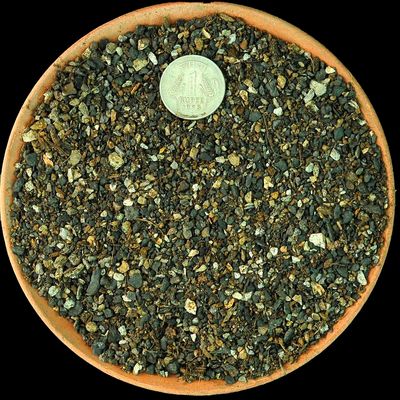
- Substrate: Use a strictly mineral-based mix (70% grit/pumice/perlite, 30% organic matter). In the humid Indian climate, high drainage is non-negotiable to prevent root rot.
- Light: Requires bright, filtered light. In India, provide morning sun but use 50% shade netting during peak summer afternoons to prevent "sunscald" on the epidermis.
- Water/Dormancy: Water thoroughly only when the medium is bone-dry.
During the monsoon, keep the plant completely dry or under cover to avoid fungal pathogens. It enters a semi-dormancy in peak winter; reduce watering to once a month.
- Scientific/Historical Anecdote: The genus Eulychnia is famous for its "acid metabolism" adaptation, but this specific cultivar is a biological anomaly. Because its apical meristem (the growth tip) is elongated into a line rather than a single point, the plant is essentially "confused" about which direction to grow. This results in the irregular, convoluted shapes that make it one of the most sought-after "monstrose" cacti in the world.
New
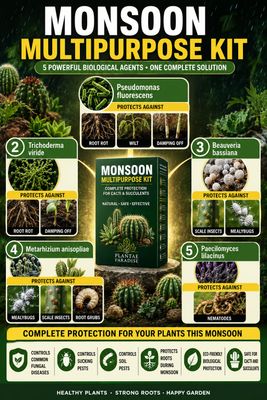
Monsoon Guardian Kit (5 in 1)
Monsoon Guardian Kit (5 in 1)
Complete 5-in-1 biological protection kit for cacti & succulents
SKU MNS024
₹850.00
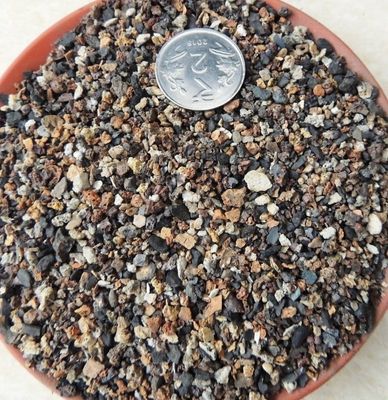
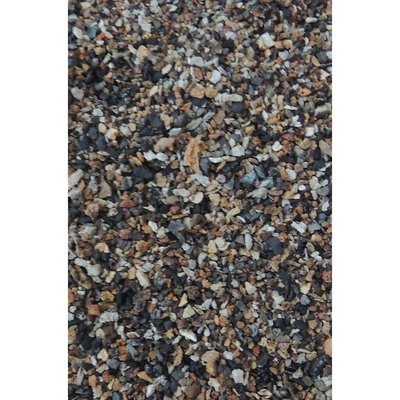
Cactus & Succulent Planting Mix FINE (aka Cactus Soil Mix or Succulent Soil Mix)
Cactus & Succulent Planting Mix FINE (aka Cactus Soil Mix or Succulent Soil Mix)
Fine-Grain Potting Mix for Cactus & Succulent Roots
SKU MNS001
₹39.85
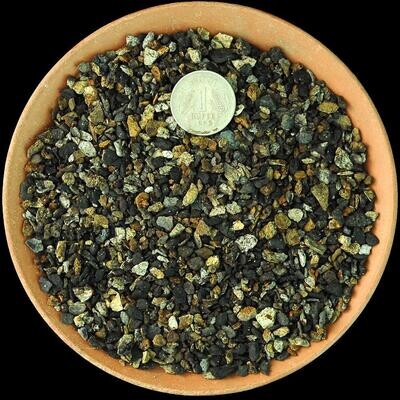
Cactus & Succulent Planting Mix COARSE (aka Cactus Soil Mix or Succulent Soil Mix)
Cactus & Succulent Planting Mix COARSE (aka Cactus Soil Mix or Succulent Soil Mix)
Washed, Free-Draining Mineral Mix for Cactus & Succulents
SKU MNS003
₹44.85