

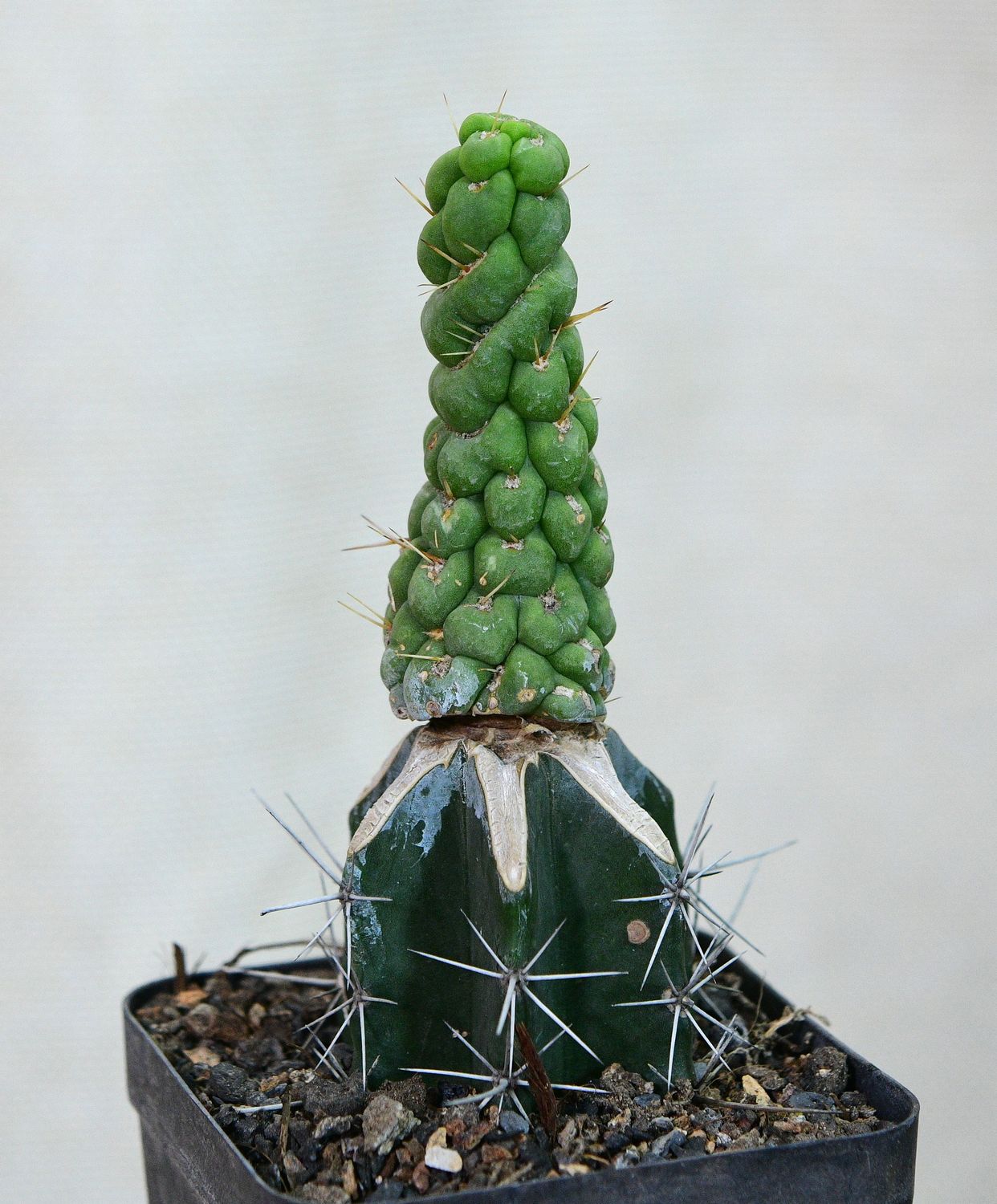
Eulychnia castanea cv. varispiralis spiral form
Product Details
The Sculptural Spiral: Eulychnia castanea cv. Varispiralis
A living architectural masterpiece, this rare spiral cactus is a must-have centerpiece for the discerning succulent collector.
- Origin & History of Name: The genus name Eulychnia is derived from the Greek eu (true/beautiful) and lychnos (lamp or candlestick), referring to the plant’s upright, candelabra-like growth habit. The specific epithet castanea means "chestnut-colored," denoting the hue of its spines. The cultivar name varispiralis combines "varied" and "spiral," highlighting the unpredictable and unique clockwise or counter-clockwise twisting of its ribs.
- Morphology: This plant is defined by its glaucous (waxy, blue-green) epidermis and its extraordinary costae (ribs). Unlike the straight ribs of the type species, this cultivar exhibits a genetic mutation causing the ribs to twist spirally around the central axis. As it matures, it develops a columnar form with prominent areoles that produce short, dark spines, creating a high-contrast, geometric texture.
- Habitat & Origin: This is a specialized cultivar and does not occur in this specific spiral form in the wild.
The base species, Eulychnia castanea, is native to the coastal cliffs of Chile. This "Varispiralis" form was developed through selective horticultural breeding to stabilize the spiral mutation. Our specimens are propagated via sustainable cuttings or grafting to ensure the preservation of the spiral gene without depleting wild populations. - Cultivation Profile:
- Substrate: Use a strictly mineral-based mix (60% coarse grit, pumice, or perlite and 40% organic matter). Avoid standard garden soil which retains too much moisture in humid Indian climates.
- Light: Requires bright, filtered sunlight. In India, provide morning sun but shield from the intense afternoon heat (12 PM – 4 PM) during peak summer to prevent epidermal scorching.
- Water/Dormancy: Water deeply only when the substrate is completely bone-dry.
During the monsoon and winter months, significantly reduce watering as the plant enters a semi-dormant state; excessive humidity combined with wet soil can lead to root rot.
- Scientific/Historical Anecdote: Interestingly, the genus Eulychnia is known for its "pioneer" biology. In its native Chilean habitat, it is one of the few plants capable of extracting moisture almost entirely from the Camanchaca—a dense coastal fog. While the varispiralis cultivar is a product of human selection, it retains the rugged resilience of its ancestors that thrive where almost nothing else can grow.
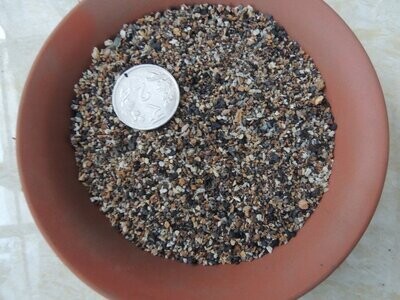
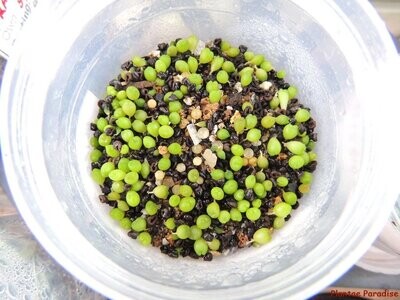
Cactus Seed Planting Mix
Cactus Seed Planting Mix
Sterile, Fine-Grain Media for Cactus & Succulent Seeds
SKU MNS005
₹74.85
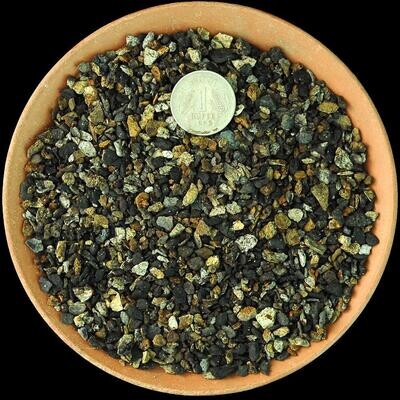
Cactus & Succulent Planting Mix COARSE (aka Cactus Soil Mix or Succulent Soil Mix)
Cactus & Succulent Planting Mix COARSE (aka Cactus Soil Mix or Succulent Soil Mix)
Washed, Free-Draining Mineral Mix for Cactus & Succulents
SKU MNS003
₹44.85
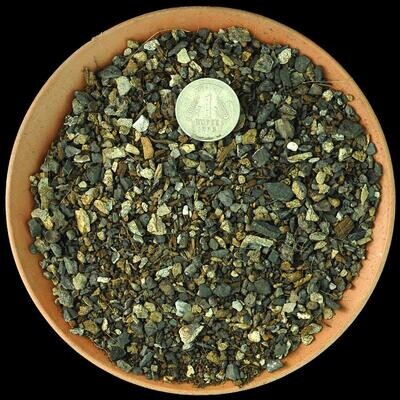
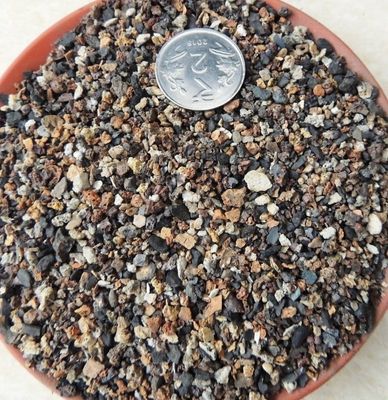
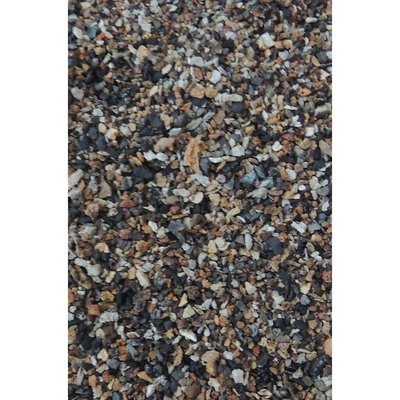
Cactus & Succulent Planting Mix FINE (aka Cactus Soil Mix or Succulent Soil Mix)
Cactus & Succulent Planting Mix FINE (aka Cactus Soil Mix or Succulent Soil Mix)
Fine-Grain Potting Mix for Cactus & Succulent Roots
SKU MNS001
₹39.85