

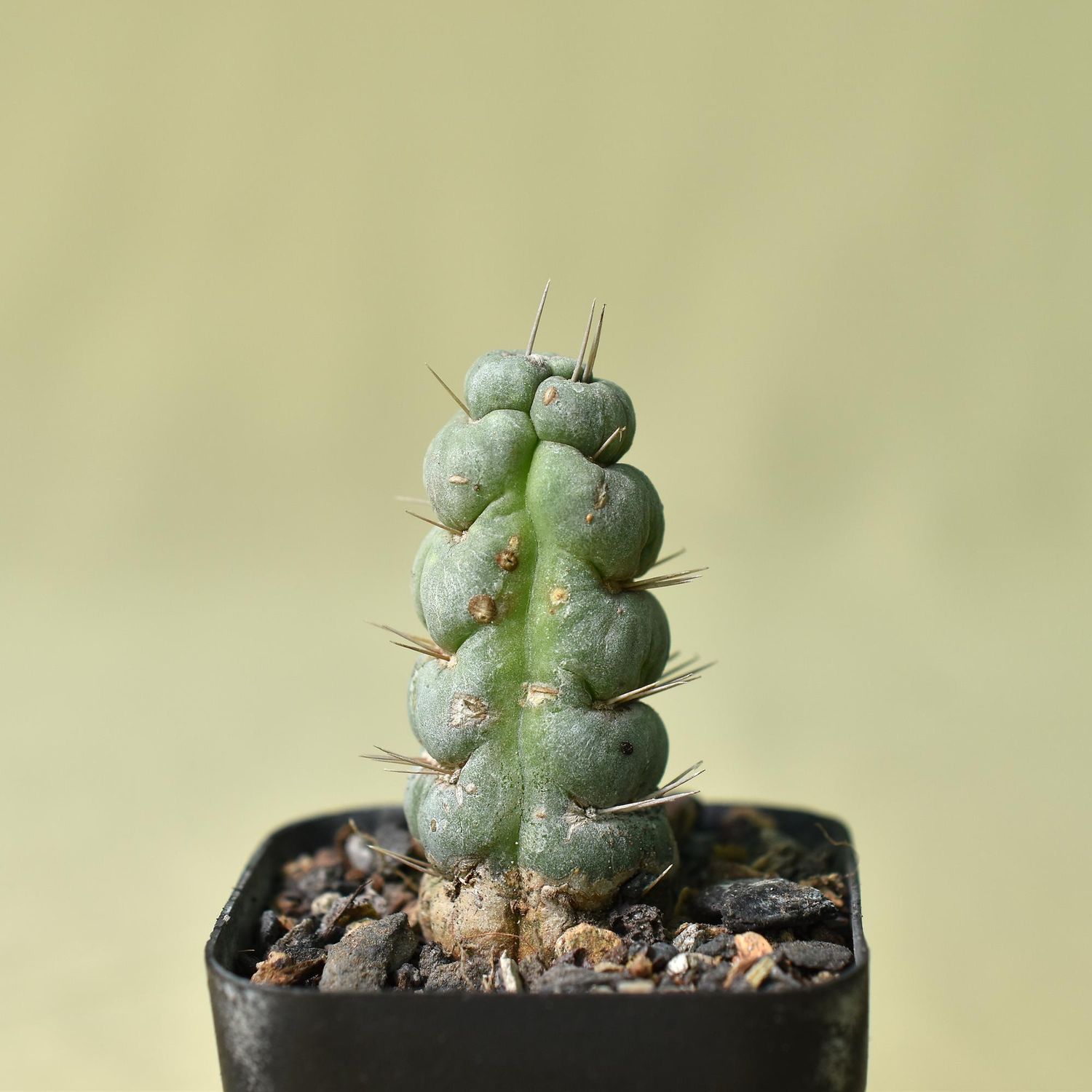
Eulychnia castanea cv. varispiralis spiral form
Product Details
Architectural Wonder: Eulychnia castanea cv. Varispiralis
A sculptural masterpiece of the succulent world, this rare spiral cactus offers a mesmerizing, geometric silhouette for the discerning collector.
- Origin & History of Name The genus name Eulychnia is derived from the Greek eu (well/good) and lychnos (lamp or candlestick), referring to the plant's upright, candelabra-like growth habit.
- Morphology This unique cultivar is characterized by its contorted morphology. Unlike the straight ribs of the parent species, its costae (ribs) twist dramatically around the central axis. The epidermis is a waxy, glaucous green, often featuring fuzzy areoles that produce short, dark spines. Because it is a stable mutation, the spiral form creates a heavy, woody trunk over time while maintaining its tight, corkscrew geometry.
- Habitat & Origin While the base species Eulychnia castanea is native to the coastal cliffs of Chile, the varispiralis form is a cultivar—a mutation selected and stabilized in cultivation.
- Cultivation Profile (Indian Context)
- Substrate: Use a strictly mineral-based mix. A ratio of 70% inorganic material (pumice, perlite, or crushed brick) to 30% organic matter is ideal to prevent root rot in humid Indian climates.
- Light: Thrives in bright, indirect sunlight. While it loves the sun, provide afternoon shade during the intense peak summers of North or Central India to prevent epidermis scorching.
- Water/Dormancy: Water deeply only when the medium is bone-dry.
- Scientific/Historical Anecdote The Eulychnia genus is famous for its "acid metabolism" adaptation, but specifically, E. castanea is known in Chile as the "Copao de la Costa." Historically, coastal inhabitants used the acidic, hydrating fruit of the wild species as a source of moisture in the arid Atacama fringes—though collectors today value the varispiralis mutation strictly for its rare, mathematical beauty rather than its fruit.
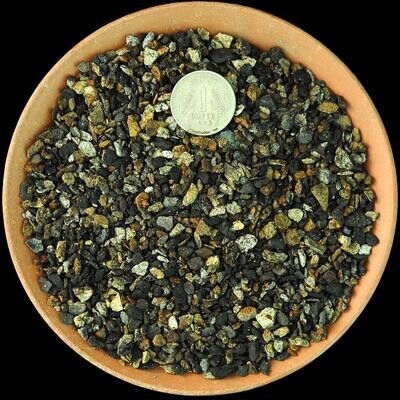
Cactus & Succulent Planting Mix COARSE (aka Cactus Soil Mix or Succulent Soil Mix)
Cactus & Succulent Planting Mix COARSE (aka Cactus Soil Mix or Succulent Soil Mix)
Washed, Free-Draining Mineral Mix for Cactus & Succulents
SKU MNS003
₹38.74
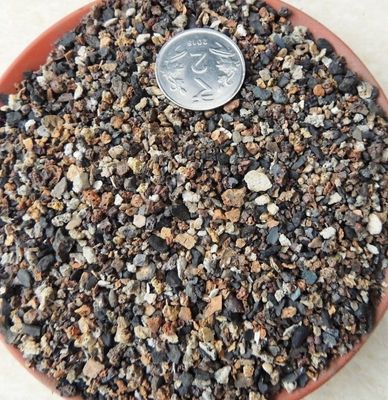
Cactus & Succulent Planting Mix FINE (aka Cactus Soil Mix or Succulent Soil Mix)
Cactus & Succulent Planting Mix FINE (aka Cactus Soil Mix or Succulent Soil Mix)
Fine-Grain Potting Mix for Cactus & Succulent Roots
SKU MNS001
₹33.74
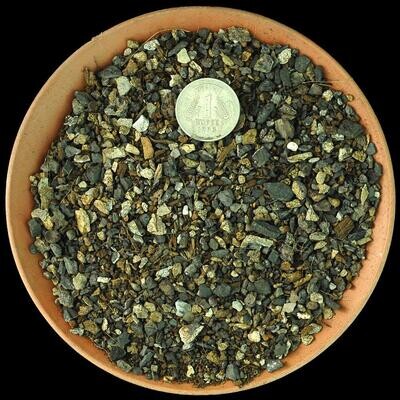
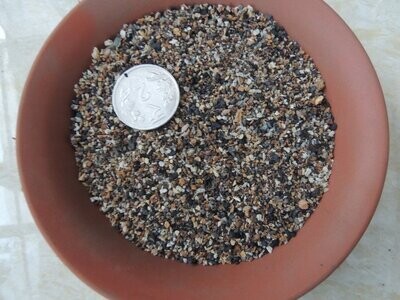
Cactus Seed Planting Mix
Cactus Seed Planting Mix
Sterile, Fine-Grain Media for Cactus & Succulent Seeds
SKU MNS005
₹66.35