

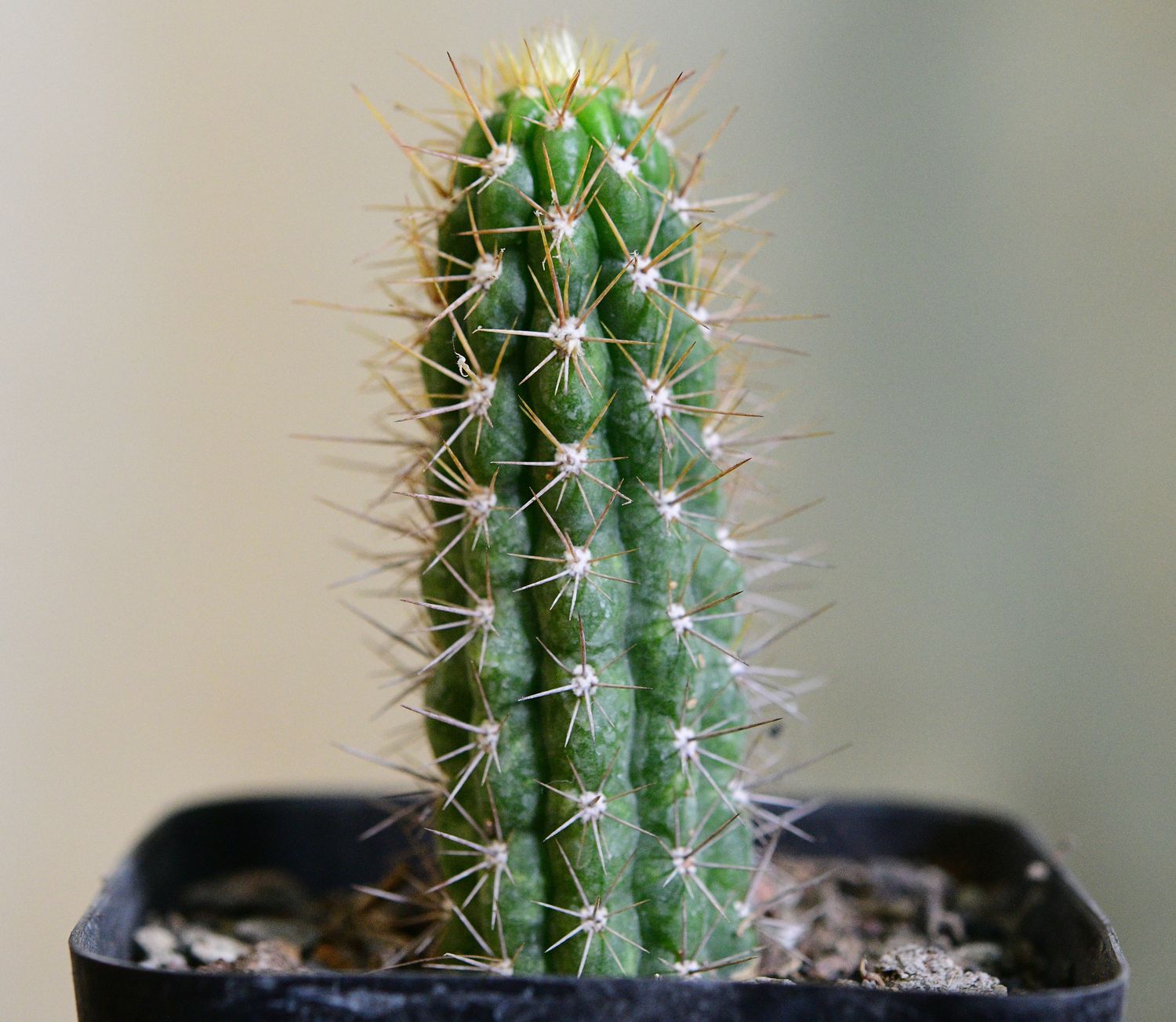
Eulychnia castanea (Native form)
Product Details
Coastal Sentinel: Eulychnia castanea (Native Form)
A rare opportunity to own the primal, columnar ancestor of the famous 'Spiralis' mutation, prized for its rugged, glaucous beauty.
- Origin & History of Name: The genus name Eulychnia is derived from the Greek eu (well/beautiful) and lychnos (lamp or candlestick), describing the plant’s upright, candelabra-like growth habit.
The specific epithet castanea is Latin for "chestnut," a reference to the brownish, bristly spines that envelop the fruit. It was formally described in the 19th century as a foundational species of the Chilean coastal deserts. - Morphology: This native form is characterized by a robust, cylindrical epidermis coated in a waxy, bluish-grey pruina to reflect intense UV radiation. It features prominent costae (ribs) lined with large, woolly areoles. From these areoles, stiff, straight radial and central spines emerge, providing a sharp contrast to the smooth stem. Unlike its mutated cultivars, the native form maintains strict vertical symmetry and produces white-to-pinkish funnelform flowers.
- Habitat & Origin: This is a wild species endemic to the narrow coastal strip of North-Central Chile.
It thrives in one of the most arid environments on Earth, where it has evolved to survive primarily on moisture from coastal fogs (camanchaca). Our specimens are nursery-grown from sustainable seed stock to protect the vulnerable wild populations of the Atacama fringe. - Cultivation Profile:
- Substrate: Requires an ultra-porous mineral-based mix (80% grit, lava rock, or coarse sand). Avoid clay-heavy soils common in the Indian plains to prevent root asphyxiation.
- Light: Requires direct, high-intensity sunlight. In the Indian subcontinent, it performs best on south-facing balconies or terraces. In South India, ensure maximum airflow to compensate for high humidity.
- Water/Dormancy: Highly drought-tolerant. Follow a strict dry-out period between deep waterings. In India, cease watering entirely during the peak monsoon months to avoid fungal infections; the plant enters a semi-dormant state during periods of extreme heat and high humidity.
- Scientific/Historical Anecdote: Eulychnia castanea is an "extremophile" specialist. In its native Chilean habitat, it often serves as a primary host for various species of lichen. Because it rains so infrequently (sometimes not for decades), the cactus has evolved to absorb atmospheric moisture through its spines and woolly areoles, a biological feat that allows it to survive in "absolute deserts" where other vegetation fails.
New
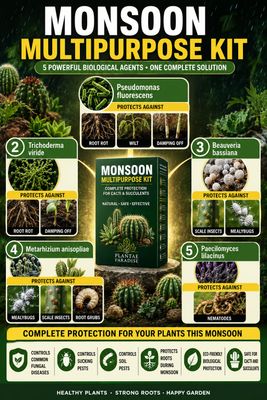
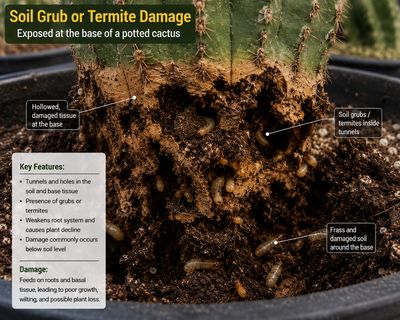
Monsoon Guardian Kit (5 in 1)
Monsoon Guardian Kit (5 in 1)
Complete 5-in-1 biological protection kit for cacti & succulents
SKU MNS024
₹850.00
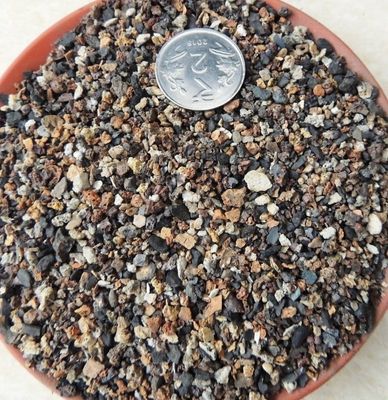
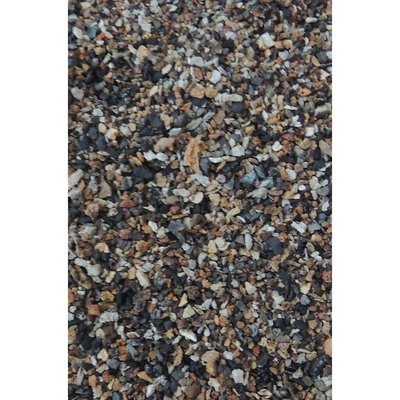
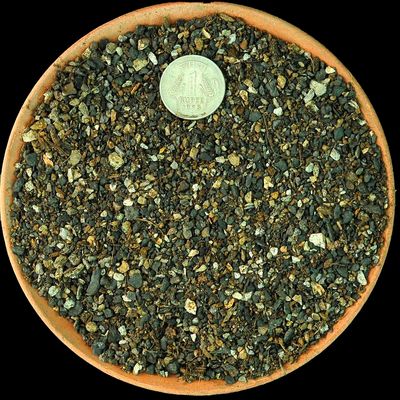
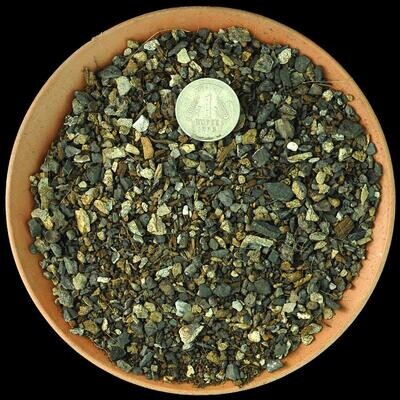
Cactus & Succulent Planting Mix FINE (aka Cactus Soil Mix or Succulent Soil Mix)
Cactus & Succulent Planting Mix FINE (aka Cactus Soil Mix or Succulent Soil Mix)
Fine-Grain Potting Mix for Cactus & Succulent Roots
SKU MNS001
₹39.85