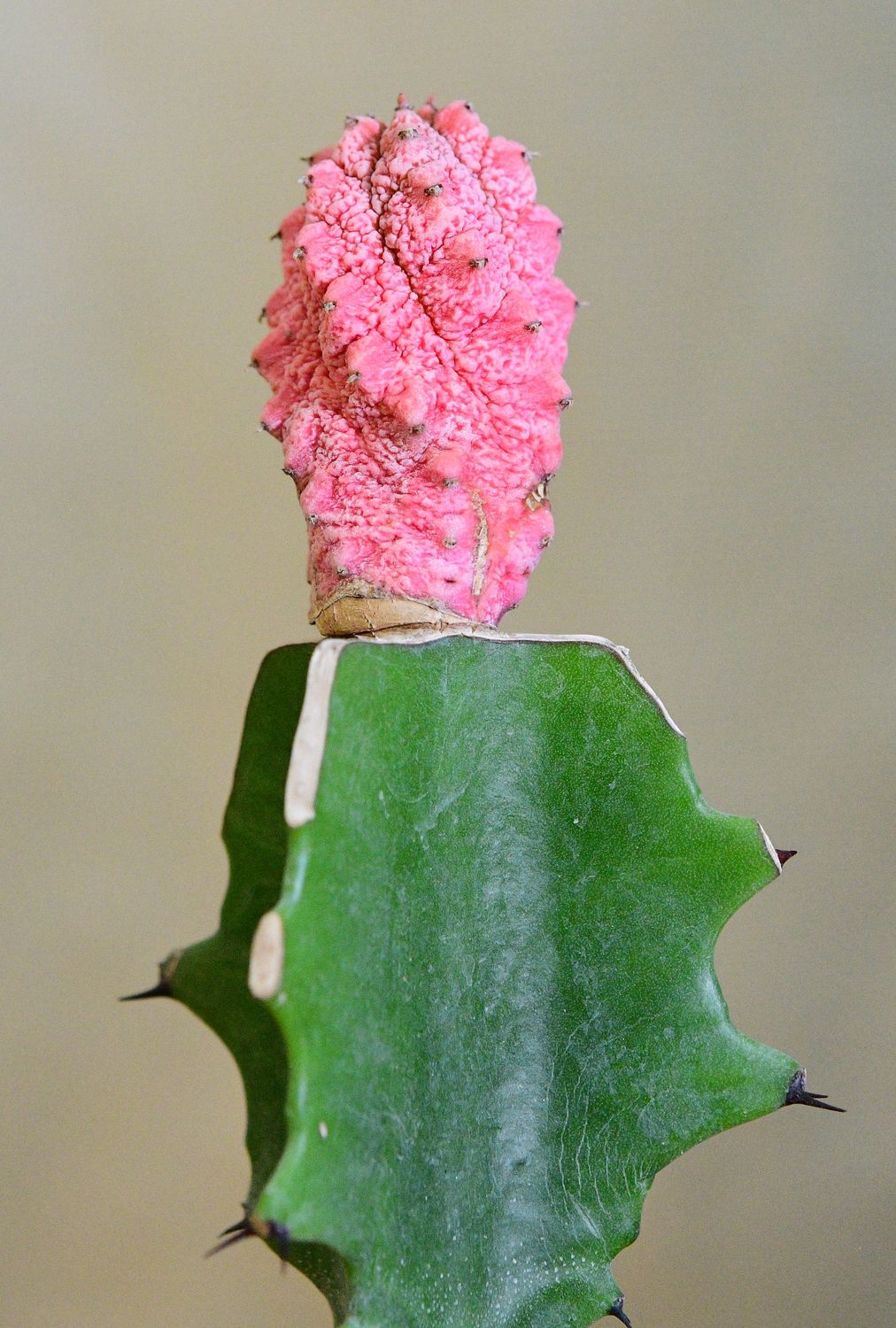
The Pink Skeleton of Socotra: Euphorbia abdelkuri'Damask'
An exceptionally rare, chlorophyll-deficient architectural masterpiece resembling molten wax, perfect for the serious collector seeking high-value botanical rarity.
1. Origin & History of Name The genus name Euphorbia honors Euphorbus, the Greek physician to King Juba II (1st Century BC).
2. Morphology This columnar succulent is renowned for its lack of spines and a distinctively rough, papillose (bumpy) epidermis that mimics the texture of weathered rock or melting candle wax.
3. Habitat & Origin The species Euphorbia abdelkuri is endemic to a single limestone outcrop on Abd al Kuri island, making it one of the most geographically restricted plants on Earth.
4. Cultivation Profile
- Substrate: strictly mineral-based.
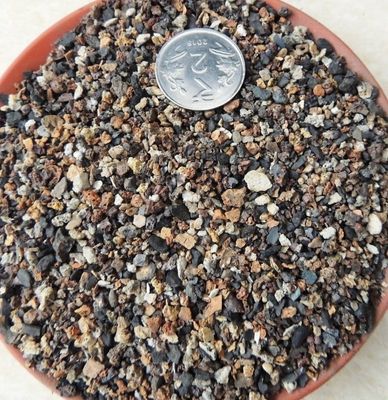
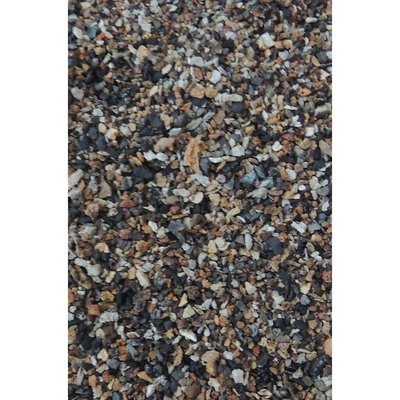
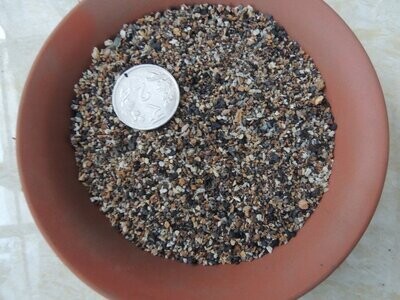
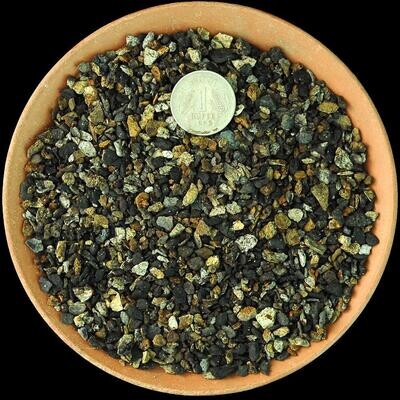
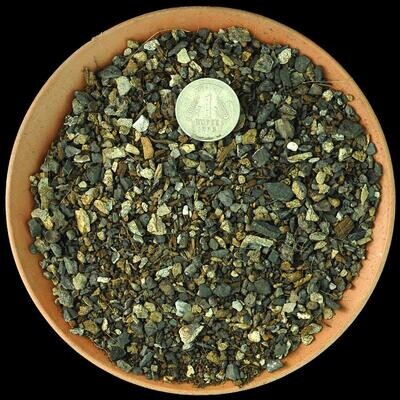
Use a high-drainage mix of 80% pumice, lava grit, or perlite with only 20% cactus soil. In the humid Indian climate, avoid heavy organic compost entirely to prevent root rot. - Light: Needs bright, indirect light to partial sun.
While it loves heat, the 'Damask' variety lacks protective chlorophyll; therefore, shield it from the harsh midday sun of the Indian summer (April–June) to prevent scorching. - Water/Dormancy: Water sparingly only when the substrate is bone dry.
During the Indian monsoon (July–September), it is critical to keep the plant sheltered from rain and high atmospheric humidity. Keep completely dry during the winter dormancy (December–February).
5. Scientific/Historical Anecdote Biologically, Euphorbia abdelkuri is an evolutionary puzzle; it produces a toxic yellow latex containing 'euphorbon,' a compound historically used by island locals to stupefy fish for catching.