Copper-Blue Beauty: Euphorbia aeruginosa
An architectural marvel featuring striking metallic blue stems and contrasting copper spines, perfect for the discerning collector.
1. Origin & History of Name
The name Euphorbia honors Euphorbus, the Greek physician to King Juba II of Numidia, who reportedly used the plant’s caustic latex for medicinal purposes.
2. Morphology
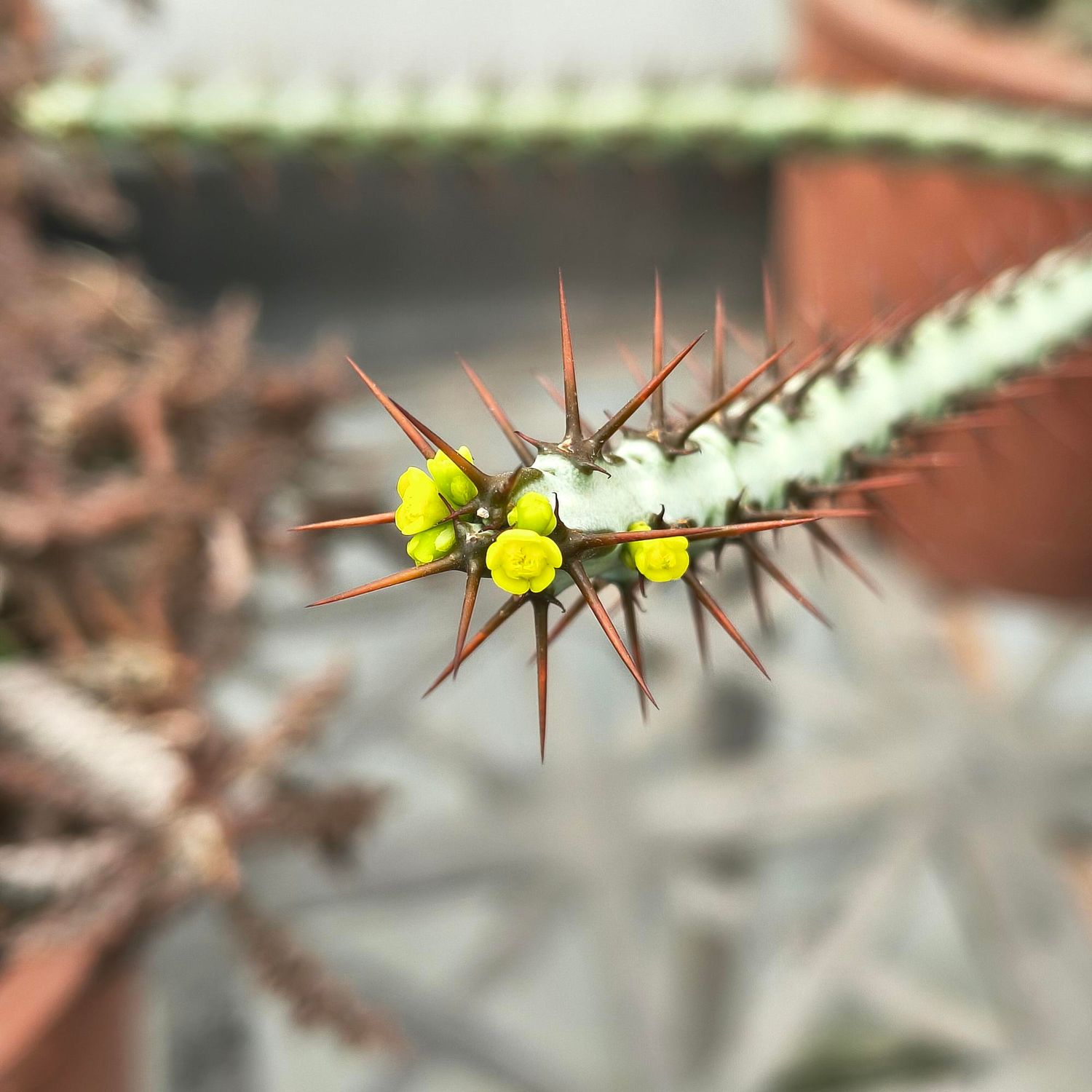
This succulent shrublet is defined by its four-angled, glaucous (waxy) stems that exhibit a distinct metallic blue epidermis. It features prominent reddish-brown spine shields (modified leaf bases) along its costae (ribs), creating a sharp color contrast. During its blooming phase, it produces tiny, bright yellow cyathia (specialized floral structures) that appear directly on the ridges.
3. Habitat & Origin
Euphorbia aeruginosa is a wild species native to the Limpopo province of South Africa.
4. Cultivation Profile
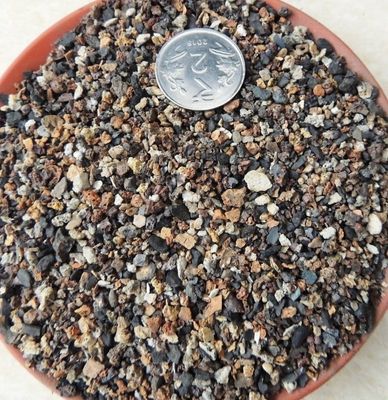
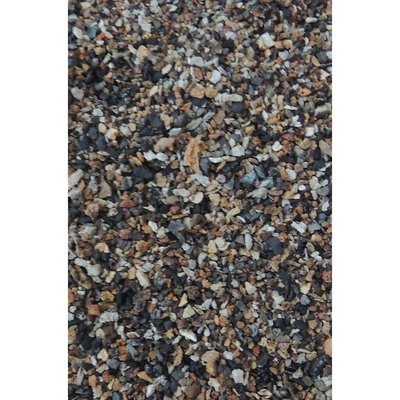
- Substrate: Use a strictly mineral-based mix (60% coarse sand, grit, or pumice and 40% organic matter). In the Indian climate, ensure the pot is porous (terracotta is ideal) to prevent root rot.
- Light: High-intensity filtered sunlight. In India, provide bright morning sun but protect from the scorching 12 PM–4 PM peak summer heat to avoid epidermal scorching.
- Water/Dormancy: Water deeply when the substrate is bone-dry. During the monsoon, keep the plant under a rain shelter. In winter (dormancy), withhold water almost entirely, as humidity in the Indian subcontinent can provide sufficient moisture.
5. Scientific/Historical Anecdote
Like all members of its genus, this plant contains a milky white latex.