Origin of Name:
The genus Euphorbia is named after the ancient Greek physician Euphorbus, who was believed to have used an early form of the plant’s sap for medicinal purposes. The species name baioensis refers to its native region around the Baio area in Namibia, highlighting the plant’s geographical origin. This name honors both the plant’s historical significance and its specific habitat in the Namibian desert, emphasizing its adaptations to extreme environments.
Origin of Plant:
Native to the arid, rocky plains of Namibia and southern Angola, Euphorbia baioensis is adapted to survive in some of the harshest desert conditions. It grows on rocky slopes and dry gravelly soils where water is scarce, temperatures soar, and sunlight is intense. Its habitat is characterized by extreme drought, well-drained terrain, and minimal vegetation, which have influenced its resilient and drought-tolerant growth habit.
Description:
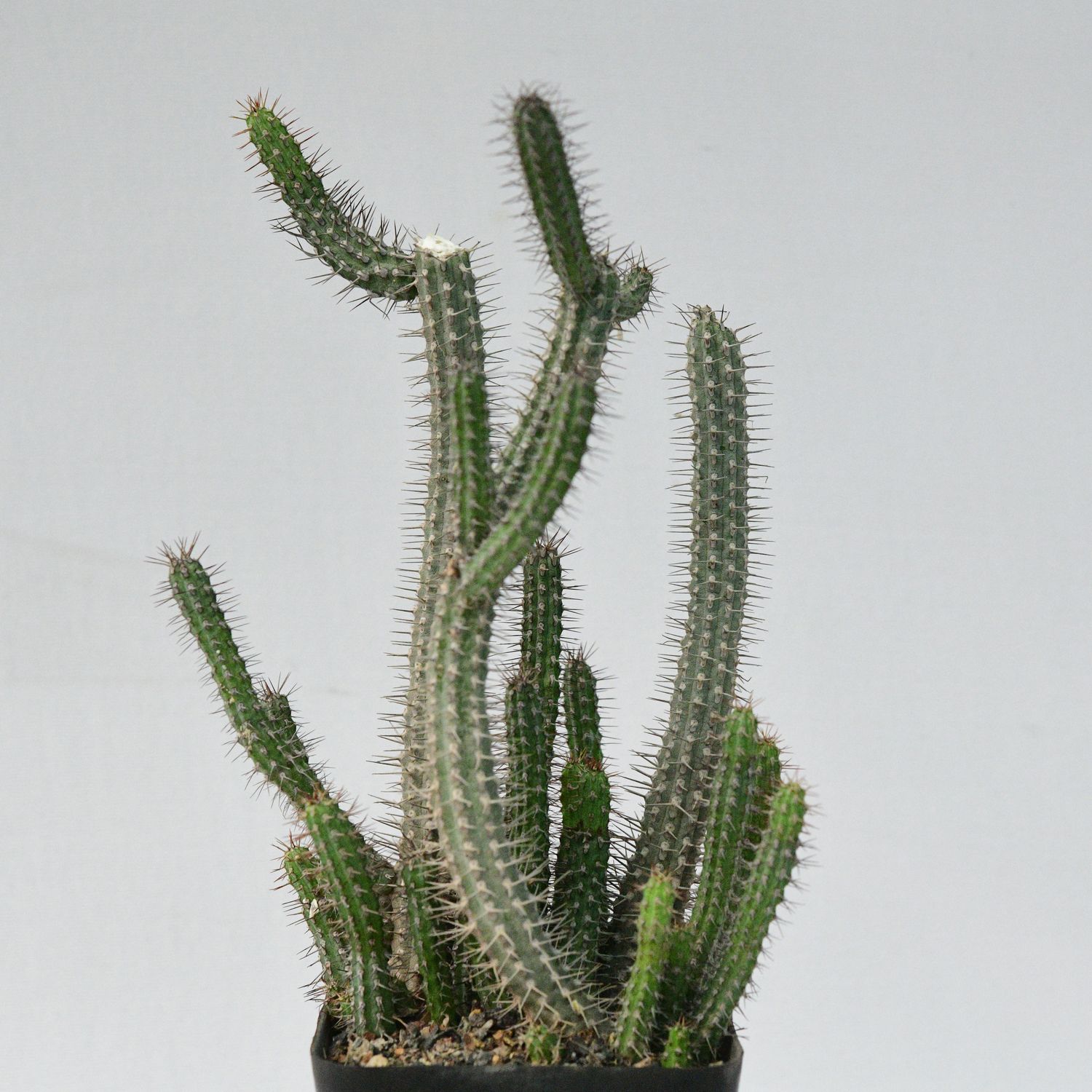
Euphorbia baioensis is a striking, cactus-like succulent shrub with a roughly globular or cylindrical shape, reaching up to 3-4 feet in height under optimal conditions. Its surface is covered with a network of prominent, tubercles and ridges, giving it a textured appearance. The plant is distinguished by its cluster of elongated, spiny branches that are often adorned with reddish-pink or yellowish tinges, especially during new growth phases. Its most notable feature is its milky, toxic latex sap, which oozes out when the plant is cut or damaged. Small, yellow flowers appear at the tips of the branches, adding a subtle touch of color.
Conservation Status:
Euphorbia baioensis is not currently listed as endangered, but habitat destruction and illegal collection threaten its populations in the wild. Responsible cultivation and propagation in gardens and nurseries play an active role in conserving this rare and beautiful species while reducing pressure on wild populations.
Care:
This succulent is well-suited for expert and beginner collectors alike, with the following care tips:
- Watering: Water sparingly during the growing season, allowing the soil to dry out completely between watering. Keep dry during winter dormancy.
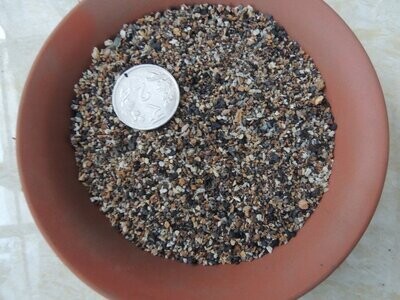
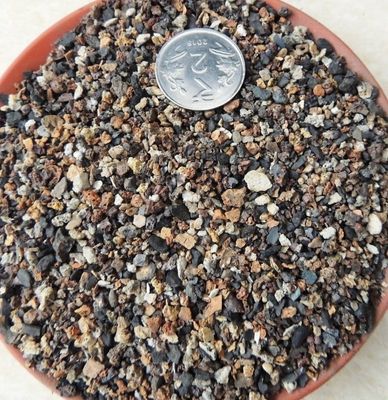
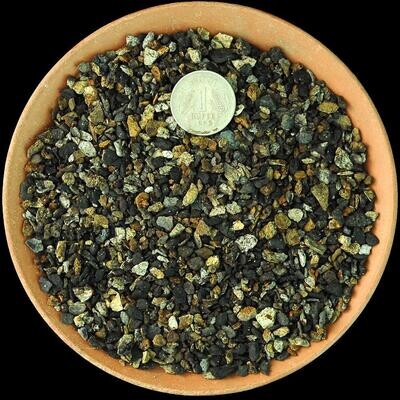
- Soil: Use a well-draining cactus or succulent mix, with coarse sand or gravel to replicate its native rocky environment.
- Light: Needs full sun for optimal growth and flowering. Bright, direct sunlight encourages the development of its dramatic form.
- Temperature: Prefers warm temperatures (USDA zones 9-11) and is sensitive to frost. Protect from cold drafts and freezing conditions.
An Interesting Historical Anecdote:
In traditional Namibian culture, Euphorbia baioensis has been both a practical resource and a symbol of resilience. Its toxic latex was used as a natural pesticide and in traditional medicine, believed to ward off pests and evil spirits. The plant’s ability to thrive in the desert’s extreme environment has made it a symbol of survival and adaptability. Historically, early explorers and botanists marveled at its rugged beauty, often calling it a “Desert Sentinel” due to its resilience in barren landscapes, inspiring contemporary gardeners to appreciate the delicate balance of danger and beauty embodied by this remarkable succulents.