Euphorbia brevirama
Product Details
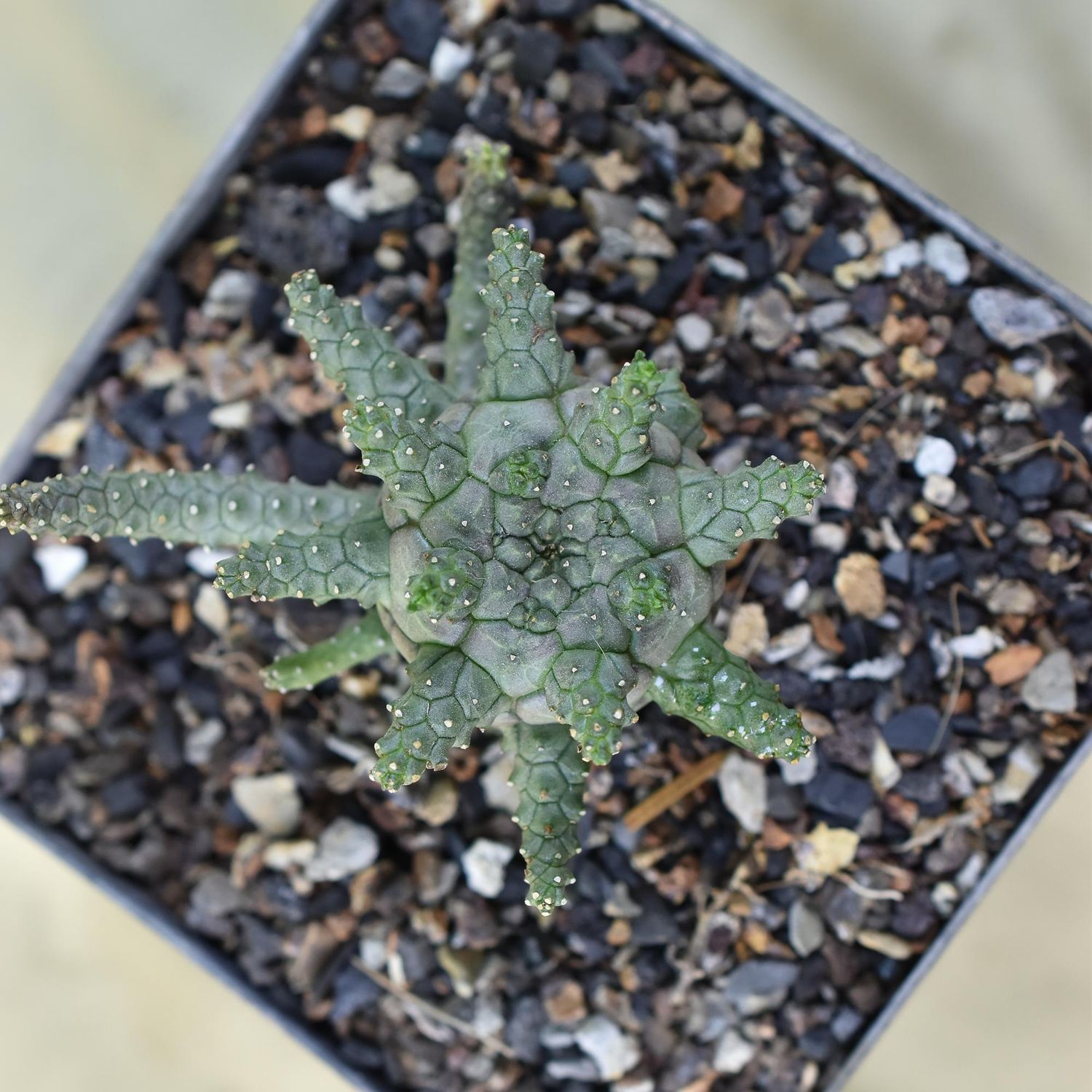
Geometric Symmetry: Euphorbia brevirama
A rare, low-profile succulent prized for its precise geometric branching and architectural resilience.
- Origin & History of Name: The genus name Euphorbia honors Euphorbus, the Greek physician to King Juba II of Numidia, who famously used the plant's caustic latex for medicinal purposes.
- Morphology: This species is a dwarf, leafless succulent featuring a compact, globose central body. Its epidermis is a matte, grayish-green, often developing a woody patina with age. The plant is characterized by its prominent, tuberculate costae (ribs) which are spirally arranged. From these ribs, short, persistent peduncles emerge, creating a "cushion" effect that protects the main body from intense solar radiation.
- Habitat & Origin: Euphorbia brevirama is a wild species endemic to the Eastern Cape Province of South Africa. It typically grows in rocky, Karoo-style scrubland. To ensure ecological sustainability, all commercial specimens are sourced from nursery-grown seeds or vegetative propagation rather than wild-harvested populations, which remain protected under CITES Appendix II.
- Cultivation Profile:
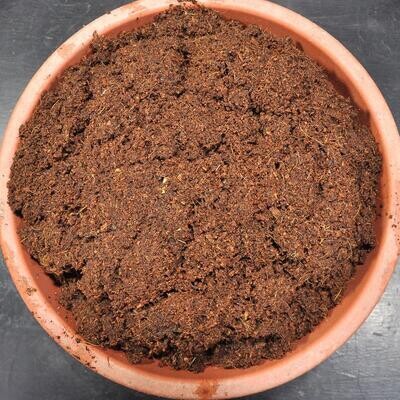
- Substrate: Requires a coarse, mineral-heavy mix. Use a blend of 60% grit (lava rock, coarse sand, or fine gravel) and 40% well-decomposed organic matter to ensure rapid drainage.
- Light: Thrives in bright, indirect light or filtered sunlight. In the Indian subcontinent, protection from the harsh 12 PM – 4 PM sun is vital to prevent epidermal scorching, particularly in the Deccan Plateau or Northern plains.
- Water/Dormancy: Implement a "soak and dry" method during the active growing season (March–October). During the humid Indian monsoon, reduce watering frequency significantly. The plant undergoes winter semi-dormancy; keep the substrate nearly dry to prevent root rot during cooler months.
- Scientific/Historical Anecdote: Euphorbia brevirama is part of a specialized group of "medusoid" euphorbias, named after the Gorgon Medusa from Greek mythology. This refers to the way the short branches radiate from a central "head." Biologically, the caustic white latex produced by this species contains diterpene esters, an advanced chemical defense mechanism that evolved to deter herbivores in the resource-scarce environments of the South African veld.
New
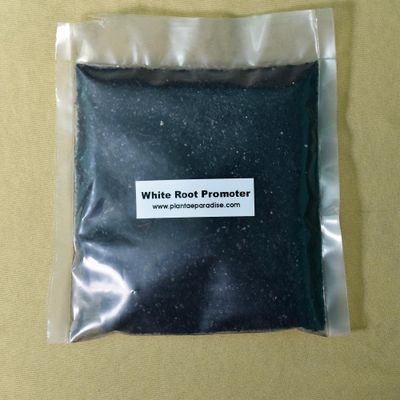
White Root Promoter -- Humate Fulvate Mix 400 gm
White Root Promoter -- Humate Fulvate Mix 400 gm
Root Growth Booster for Plants | Humate Fulvate Mix
SKU MNS022
₹225.97
New
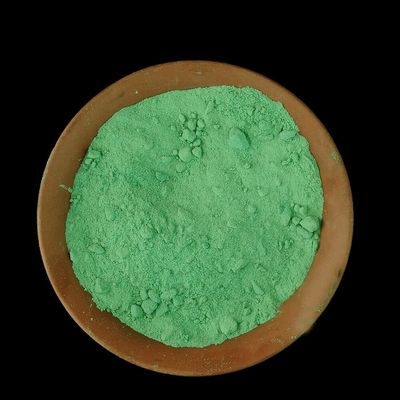
Green Fusion EDTA Micronutrients 400gm
Green Fusion EDTA Micronutrients 400gm
High Quality EDTA Chelated micronutrients
SKU MNS014
₹270.00
New
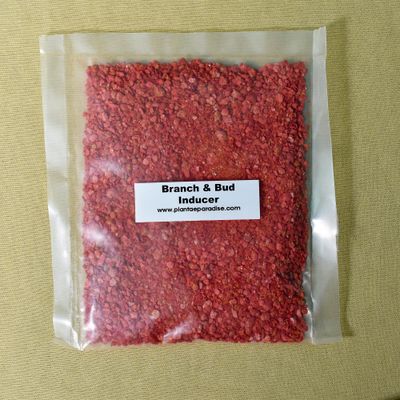
Branch & Bud Inducer 200gm
Branch & Bud Inducer 200gm
Flowering Booster for Plants | Branch & Bud Inducer
SKU MNS018
₹355.00