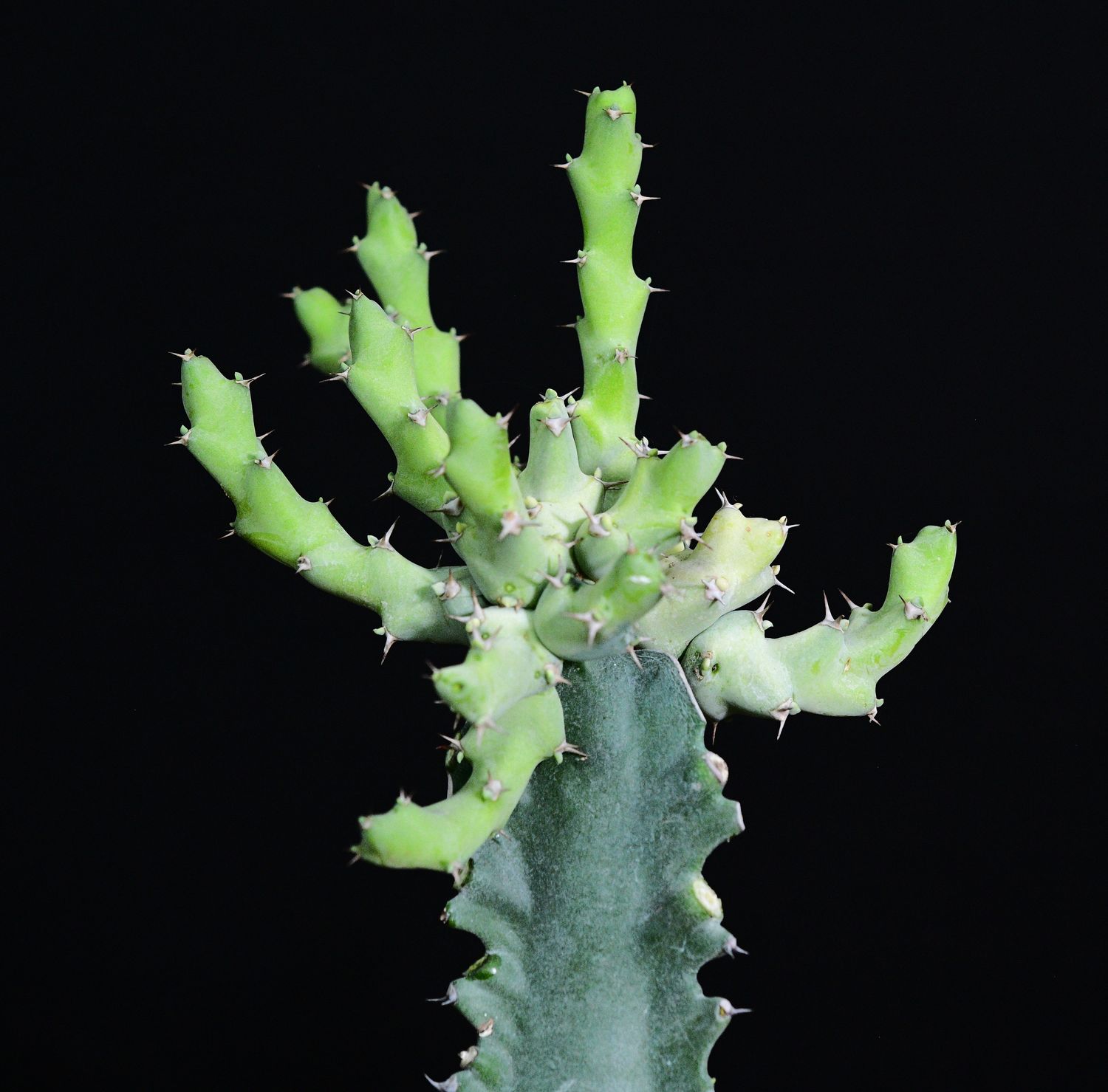
Euphorbia clivicola variegata
Colour changes to bright yellow as per sunlight and as per season.
Uncover a botanical treasure that embodies both rugged resilience and exquisite artistry – the Euphorbia clivicola variegata. This dwarf succulent, a highly prized form of a South African native, captivates with its intricately branched, coral-like stems adorned with stunning patterns of cream and green. A true living sculpture, this variegated gem promises to be an exceptional focal point, offering unique texture, vibrant coloration, and a fascinating glimpse into nature's ingenious adaptations.
1. Origin of Name
The genus name, Euphorbia, was established by the revered Swedish botanist Carl Linnaeus in the 18th century. It honors Euphorbus, the Greek physician of King Juba II of Mauretania (1st century BC), who is believed to have used a species of Euphorbia for medicinal purposes. The specific epithet, clivicola, is derived from Latin, combining "clivus" (meaning "slope" or "hill") and "cola" (meaning "dweller"). This translates to "dweller of slopes or hills," aptly describing the plant's natural habitat. The additional term "variegata" is Latin for "variegated" or "streaked with different colors." In this instance, it highlights the distinct and highly ornamental patterns of cream, yellow, or white that occur naturally or have been selected within the species, making this particular form a coveted horticultural specimen.
2. Origin of Plant
The parent species, Euphorbia clivicola, is endemic to the Eastern Cape Province of South Africa, a region renowned for its diverse and often drought-adapted flora. As its name suggests, it typically thrives on rocky slopes and hillsides, often growing in well-drained, gritty soils, and sometimes finding protection in the partial shade of larger shrubs or rocks. Its natural habitat is characterized by periods of extended drought and intense sun. The 'variegata' form, while originating from this resilient wild species, is a horticultural selection. This means that plants exhibiting this unique variegated coloration were either discovered as natural mutations in the wild and subsequently propagated, or selectively bred in cultivation to enhance and stabilize these striking patterns. Thus, while its genetic roots are in the South African hills, this specific variegated form is primarily a product of appreciative cultivation.
3. Description
The Euphorbia clivicola variegata is a truly mesmerizing and compact dwarf succulent shrub, forming dense, intricate cushions or low mounds. Its most distinguishing feature is its numerous, thick, cylindrical, segmented stems that branch profusely, creating a coral-like or brain-like network. The plant typically remains small, rarely exceeding 10-15 cm (4-6 inches) in height and width. The base color of the stems is a vibrant green, but this is beautifully interrupted by irregular, eye-catching variegation of creamy white, pale yellow, or soft pink. These lighter streaks and patches create a dazzling contrast, making each stem segment a miniature work of art. The variegation often intensifies with good light exposure, with some areas blushing pink or reddish. The leaves are typically minute and ephemeral, quickly deciduous, with the succulent stems performing the bulk of photosynthesis. From the tips of its branches, the plant produces small, inconspicuous, yellowish-green cyathia (the specialized flower structure characteristic of Euphorbias). While not overtly showy, these delicate blooms add a subtle charm. Like many Euphorbia species, it contains a milky white latex which can exude if the plant is broken or cut.
4. Conservation Status
The wild species, Euphorbia clivicola, is generally considered to be of Least Concern on the IUCN Red List of Threatened Species, indicating a relatively stable and widespread population within its native range. However, this 'variegata' form is a horticultural selection and does not possess a separate conservation status in the wild. Its rarity and unique beauty make it highly desirable for collectors, which could potentially lead to over-collection if wild specimens were frequently sought. Thankfully, all 'variegata' plants are propagated in cultivation, ensuring their availability to enthusiasts without impacting wild populations. Supporting cultivated plants helps reduce pressure on wild populations and promotes the long-term conservation of unique Euphorbia species.
5. Care
Caring for Euphorbia clivicola variegata is straightforward, making it an excellent choice for succulent enthusiasts seeking a distinctive, low-maintenance plant.
- Watering: As a desert-adapted succulent, it requires infrequent watering. Water thoroughly when the soil is completely dry to the touch, then allow it to dry out again before the next watering. Reduce watering significantly in winter or during cooler, dormant periods. Overwatering, particularly in conjunction with poor drainage, is detrimental.
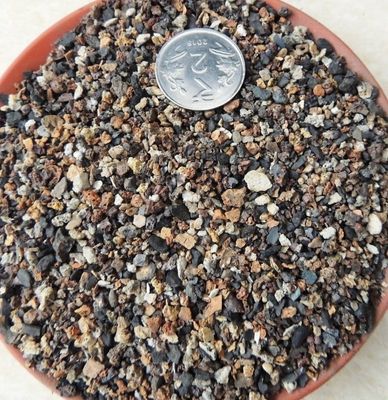
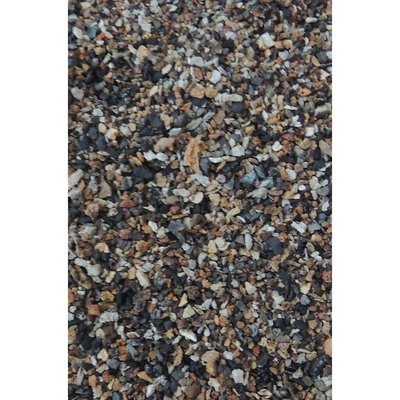
- Soil: Absolutely essential is an extremely well-draining, gritty cactus and succulent mix. A blend with a high proportion of inorganic materials like pumice, perlite, coarse sand, or small gravel (e.g., 70-80% inorganic) is ideal to prevent waterlogging.
- Light: Provide full sun to bright indirect light. It thrives in several hours of direct sunlight daily, which encourages compact growth and is crucial for enhancing the vibrant variegation and coloration. In very hot climates, some afternoon shade may be beneficial to prevent scorching.
- Temperature: Prefers warm temperatures. It is not frost-tolerant and must be protected from temperatures below 5°C (41°F).
- Tips: Handle with care! The milky white latex contained in its stems can be a skin irritant and should be kept away from eyes. Always wear gloves when pruning or handling broken pieces. Good air circulation is vital. Fertilize sparingly with a balanced, low-nitrogen liquid fertilizer during its active growing season. Its dwarf, intricate form makes it perfect for small containers or detailed succulent arrangements.
6. Engaging Anecdote
The variegation in Euphorbia clivicola variegata is a fascinating natural phenomenon that turns a functional adaptation into a visual spectacle. Variegation occurs when certain cells within the plant lack chlorophyll, the pigment that makes plants green. Instead of being a disadvantage, in this cultivated form, it becomes its most celebrated feature, creating stunning patterns that contrast beautifully with the healthy green tissue. This plant's dense, intricate growth habit also offers a visual metaphor for the tenacity of life in extreme environments. In its native South African habitat, its compact, multi-branched form would allow it to tuck into rocky crevices, minimizing exposure to harsh winds and sun while maximizing water collection. The 'variegata' form elevates this survival strategy into a living piece of art, showcasing how even genetic variations can be harnessed to create extraordinary beauty. Owning a Euphorbia clivicola variegata is like possessing a miniature, living jewel sculpted by the forces of adaptation and horticultural appreciation, a testament to the unexpected beauty found when nature's resilience meets human admiration.