

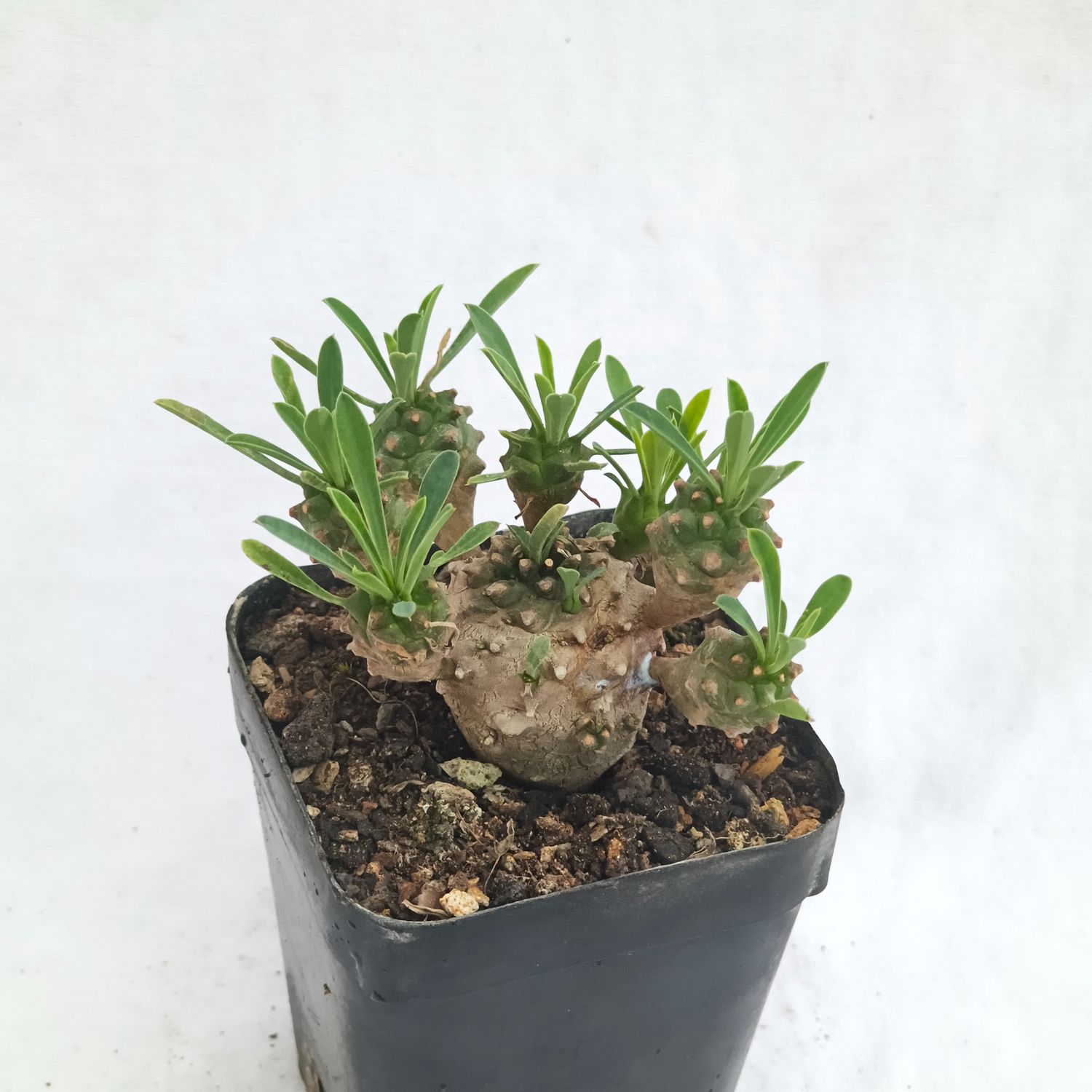
Euphorbia cv. Cocklebur ( Euphorbia x japonica)
Product Details
Bizarrely Beautiful: Euphorbia cv. 'Cocklebur'
A sculptural masterpiece for the connoisseur, defining the peak of geometric succulent breeding.
- Origin & History of Name: The name "Cocklebur" is a descriptive botanical moniker referencing the hooked prickles of the Xanthium genus. It was chosen to highlight the plant's distinctive, bristly appearance. The cultivar name acknowledges the visual similarity between the plant’s tuberculate surface and the hooked burs found in nature.
- Morphology: This hybrid features a globose to cylindrical epidermis characterized by prominent, crowded tubercles. Unlike many Euphorbias with distinct costae (ribs), 'Cocklebur' presents a geometric "pineapple" texture. It is adorned with persistent, woody peduncles (flower stalks) that remain on the plant, creating a protective, spine-like cage around the body.
- Habitat & Origin: This is a nursery-produced cultivar, likely a hybrid involving Euphorbia bupleurifolia and Euphorbia susannae. It does not exist in the wild. Choosing cultivars over field-collected specimens is a highly sustainable practice that protects vulnerable wild populations in South Africa.
- Cultivation Profile:
- Substrate: Use a strictly mineral-based mix consisting of 70% inorganic material (pumice, crushed leca, or perlite) and 30% organic matter to ensure rapid drainage during Indian monsoons.
- Light: Requires bright, indirect sunlight. In the Indian subcontinent, provide 40-50% shade during the intense summer months (April–June) to prevent epidermal scorching.
- Water/Dormancy: Water deeply only when the medium is completely dry. Maintain a strict dry dormancy during the peak of winter or the height of the humid monsoon to prevent root rot.
- Scientific/Historical Anecdote: The genus Euphorbia was named by King Juba II of Numidia after his Greek physician, Euphorbus. Legend says Euphorbus used the caustic latex of these plants to treat the King's ailments; scientifically, we now know this "milk" contains diterpene esters, which are potent skin irritants but serve as a brilliant evolutionary defense against herbivores.
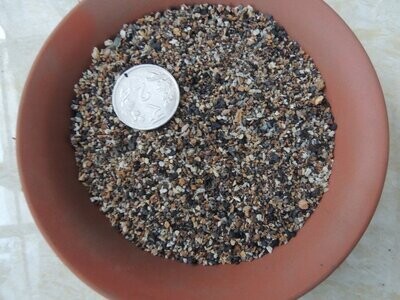
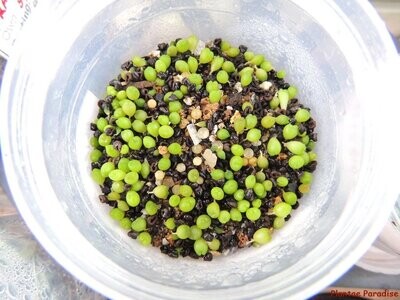
Cactus Seed Planting Mix
Cactus Seed Planting Mix
Sterile, Fine-Grain Media for Cactus & Succulent Seeds
SKU MNS005
₹74.85
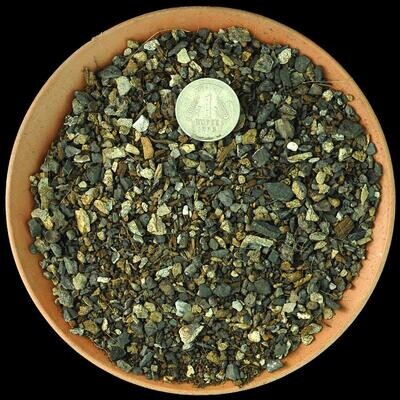
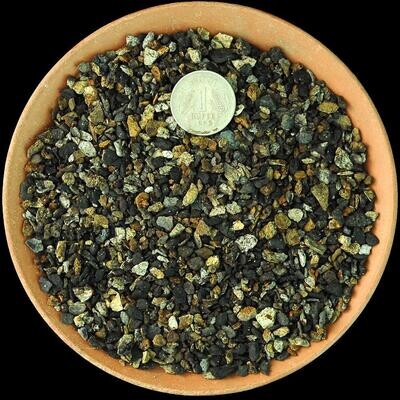
Cactus & Succulent Planting Mix COARSE (aka Cactus Soil Mix or Succulent Soil Mix)
Cactus & Succulent Planting Mix COARSE (aka Cactus Soil Mix or Succulent Soil Mix)
Washed, Free-Draining Mineral Mix for Cactus & Succulents
SKU MNS003
₹44.85
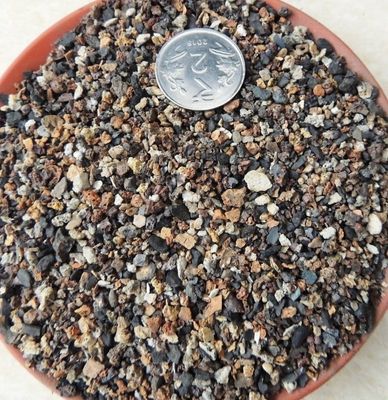
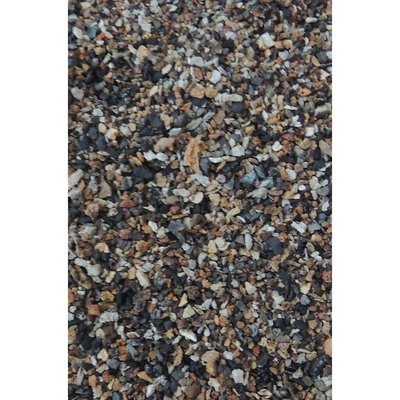
Cactus & Succulent Planting Mix FINE (aka Cactus Soil Mix or Succulent Soil Mix)
Cactus & Succulent Planting Mix FINE (aka Cactus Soil Mix or Succulent Soil Mix)
Fine-Grain Potting Mix for Cactus & Succulent Roots
SKU MNS001
₹39.85