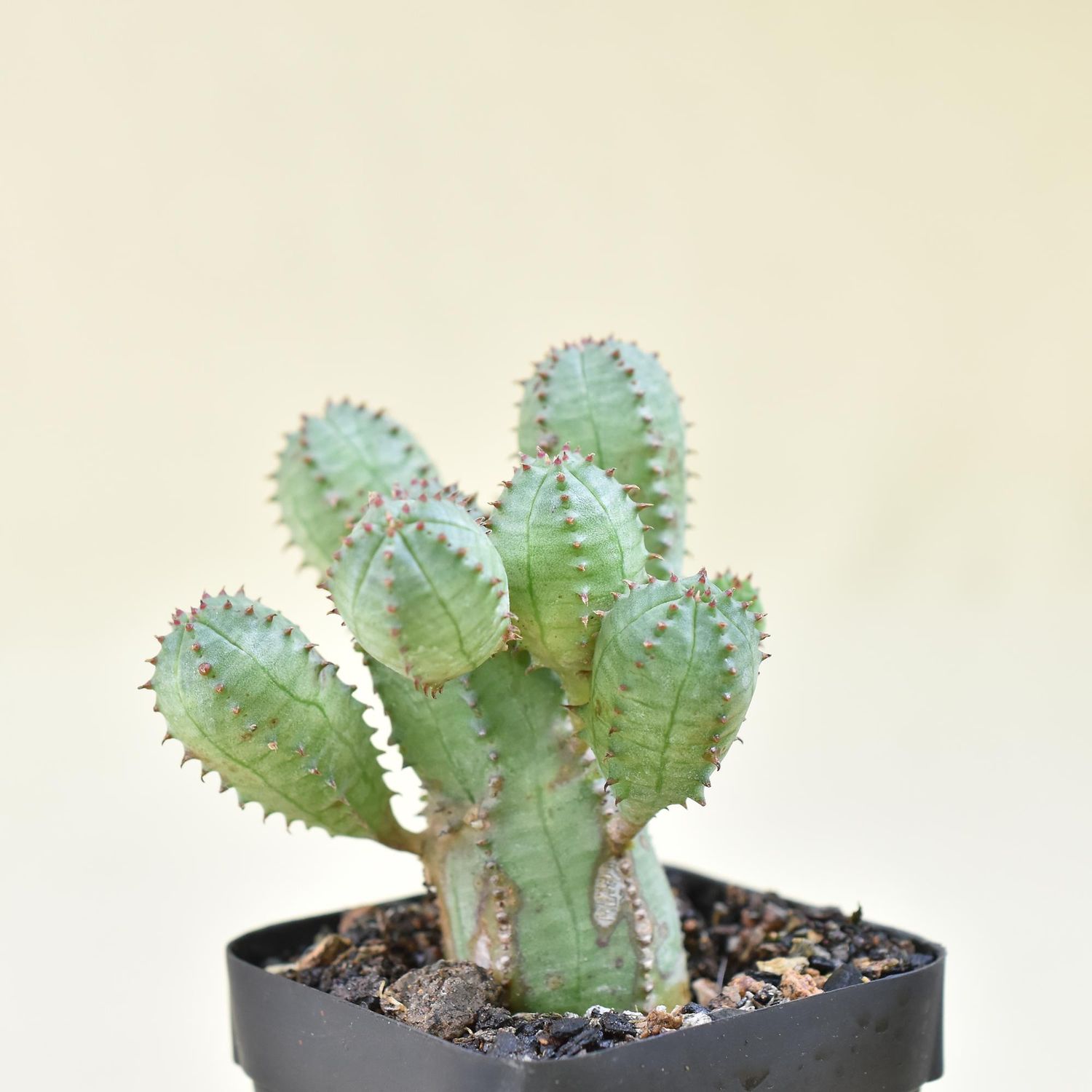
Euphorbia daisymontana (E obesa X E tubiglans)
Product Details
Architectural Marvel: Euphorbia daisymontana (E. obesa x E. tubiglans)
A rare interspecific hybrid blending the iconic symmetry of the "Baseball Plant" with the rugged, sculptural elegance of the Eastern Cape.
- Origin & History of Name: The genus Euphorbia is named after Euphorbus, the Greek physician to King Juba II of Numidia, who utilized the plant's caustic latex for medicinal purposes. The specific epithet daisymontana is a creative nomenclature choice often used in specialized succulent collections to denote specific hybrid lines, frequently referencing the breeder’s locality or a descriptive "Daisy Mountain" aesthetic, though its primary identity remains its parentage: the globose E. obesa and the rhizomatous E. tubiglans.
- Morphology: This hybrid displays a fascinating intermediate morphology. It typically retains the sub-globose to cylindrical body of E. obesa but develops the distinct, prominent costae (ribs) and rugose epidermis texture of E. tubiglans. Unlike many succulents, it is dioecious (producing male or female flowers on separate plants). The coloration often features subtle horizontal banding and a matte, glaucous finish that serves as a natural UV protectant.
- Habitat & Origin: This plant is a cultivar of horticultural origin and does not exist in the wild. It was developed through controlled cross-pollination to combine the stability of E. obesa with the unique architecture of E. tubiglans. As a nursery-produced hybrid, it is a highly sustainable choice for collectors, ensuring no pressure is placed on wild South African populations where the parent species are protected.
- Cultivation Profile:
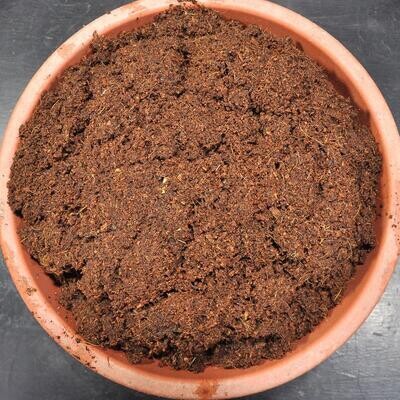
- Substrate: Use a strictly mineral-based mix (70% grit/pumice/perlite, 30% organic matter). In the Indian climate, high porosity is essential to prevent root rot during humid months.
- Light: High-intensity filtered sunlight. In Northern or Central India, provide 40-50% shade during peak summer afternoons to prevent epidermal scorching.
- Water/Dormancy: Deep watering during the growing season (March–October), allowing the medium to dry completely. During the monsoon, withhold water entirely if humidity is high. Maintain a dry winter dormancy to mimic its South African genetic heritage.
- Scientific/Historical Anecdote: The parent species Euphorbia obesa was once so heavily poached from its native Great Karoo habitat after its discovery in 1897 that it faced near-extinction.
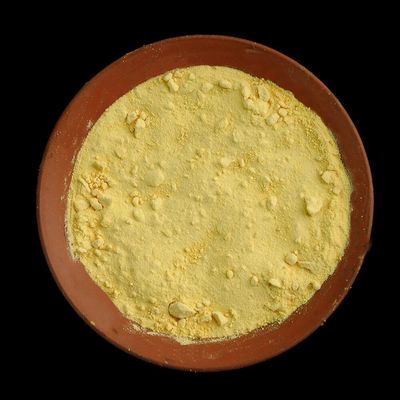
Soya Power Pack Amino acid Soya based 80% purity 800gm
Soya Power Pack Amino acid Soya based 80% purity 800gm
Premium Soya-Based Amino Acid Plant Booster for Stronger Roots, Greener Growth & Stress-Resistant Plants
SKU MNS009
₹315.00
New
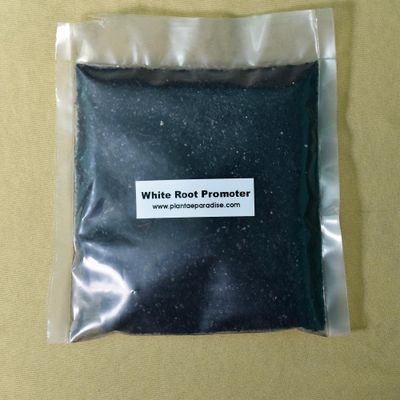
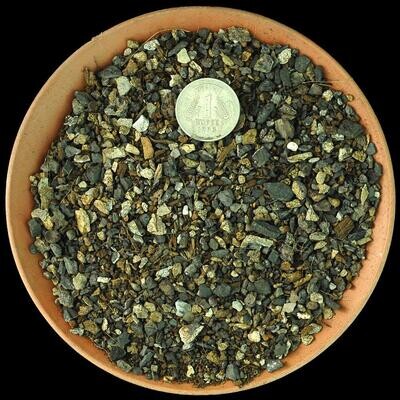
White Root Promoter -- Humate Fulvate Mix 400 gm
White Root Promoter -- Humate Fulvate Mix 400 gm
Root Growth Booster for Plants | Humate Fulvate Mix
SKU MNS022
₹225.97