

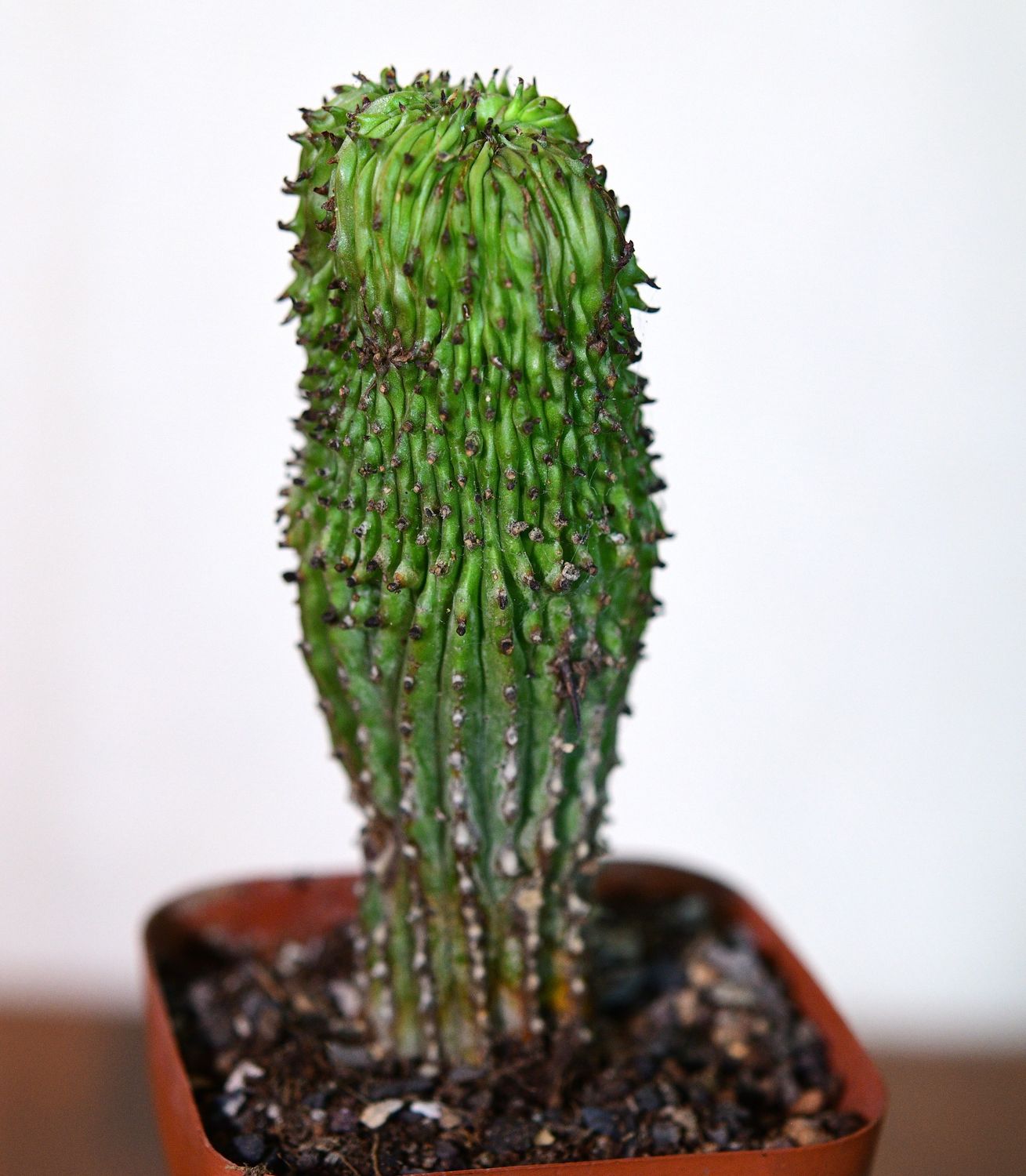
Euphorbia enopla Crest
Product Details
Architectural Marvel: Euphorbia enopla f. cristata
A sculptural masterpiece for the connoisseur, this rare crested mutation transforms the classic "Pincushion Euphorbia" into a one-of-a-kind living coral formation.
- Origin & History of Name: The genus name Euphorbia honors Euphorbus, the Greek physician to King Juba II of Numidia, who reportedly used the plant’s caustic latex for medicinal purposes.
The specific epithet enopla is derived from the Greek enoplos, meaning "armed" or "in arms," referring to its prominent spine-like sterile peduncles. The term "Crest" (or cristata) describes the fasciation mutation where the growing point expands into a fan-like ridge rather than a single cylindrical stem. - Morphology: This cultivar exhibits fasciation, a condition where the apical meristem grows laterally, creating a winding, undulating "brain-like" structure. The epidermis is a rich glaucous green, adorned with crowded, reddish-purple sterile peduncles (often mistaken for spines) that emerge along the wavy costae (ribs). Unlike the straight vertical growth of the standard species, the crested form grows in dense, sculptural mounds.
- Habitat & Origin: The base species Euphorbia enopla is native to the Noorsveld region of the Eastern Cape, South Africa. However, this crested form is a cultivar—a spontaneous genetic mutation selected and stabilized in cultivation. Our specimens are propagated via sustainable vegetative cuttings, ensuring no impact on wild succulent populations.
- Cultivation Profile:
- Substrate: Use a strictly mineral-based mix (50% coarse river sand or fine gravel, 25% perlite/pumice, 25% garden soil). Avoid heavy clay.
- Light: Requires bright indirect sunlight or morning sun. In the harsh Indian summer, provide 50% shade cloth protection to prevent epidermal scorching.
- Water/Dormancy: Water deeply only when the medium is bone-dry. During the monsoon, keep the plant sheltered to avoid fungal rot. In winter (dormancy), reduce watering to once a month or less, as the plant's metabolic rate drops significantly.
- Scientific/Historical Anecdote: While it looks like a cactus, Euphorbia enopla is a classic example of convergent evolution.
Despite being unrelated to Cactaceae (which are native to the Americas), this African species evolved similar "spines" and water-storing tissues to survive in identical arid environments. Interestingly, its "spines" are actually dried flower stalks that remain on the plant to deter herbivores.
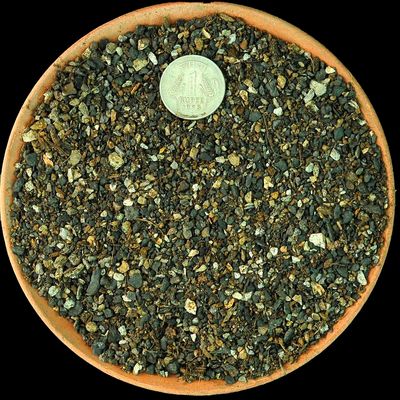
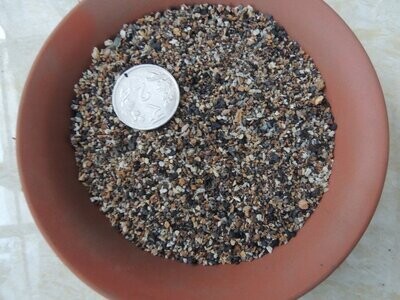
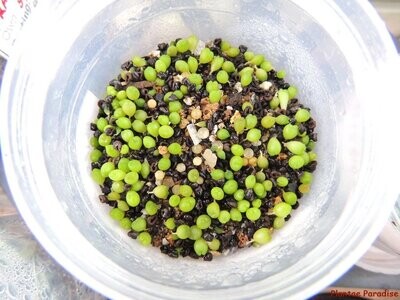
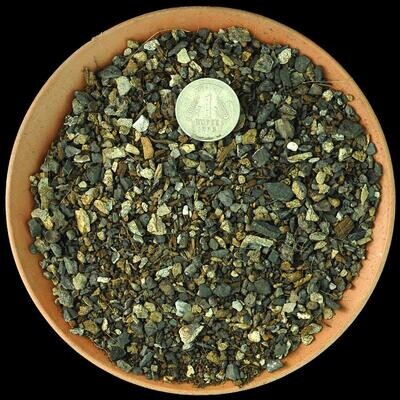
Cactus Seed Planting Mix
Cactus Seed Planting Mix
Sterile, Fine-Grain Media for Cactus & Succulent Seeds
SKU MNS005
₹74.85
New
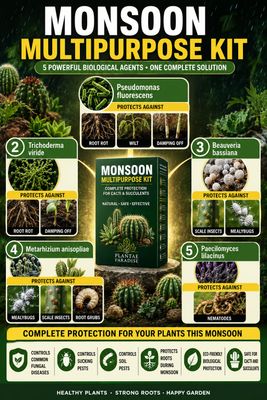
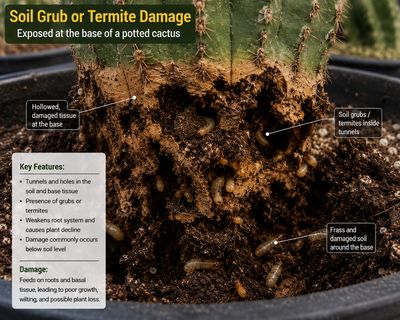
Monsoon Guardian Kit (5 in 1)
Monsoon Guardian Kit (5 in 1)
Complete 5-in-1 biological protection kit for cacti & succulents
SKU MNS024
₹850.00