

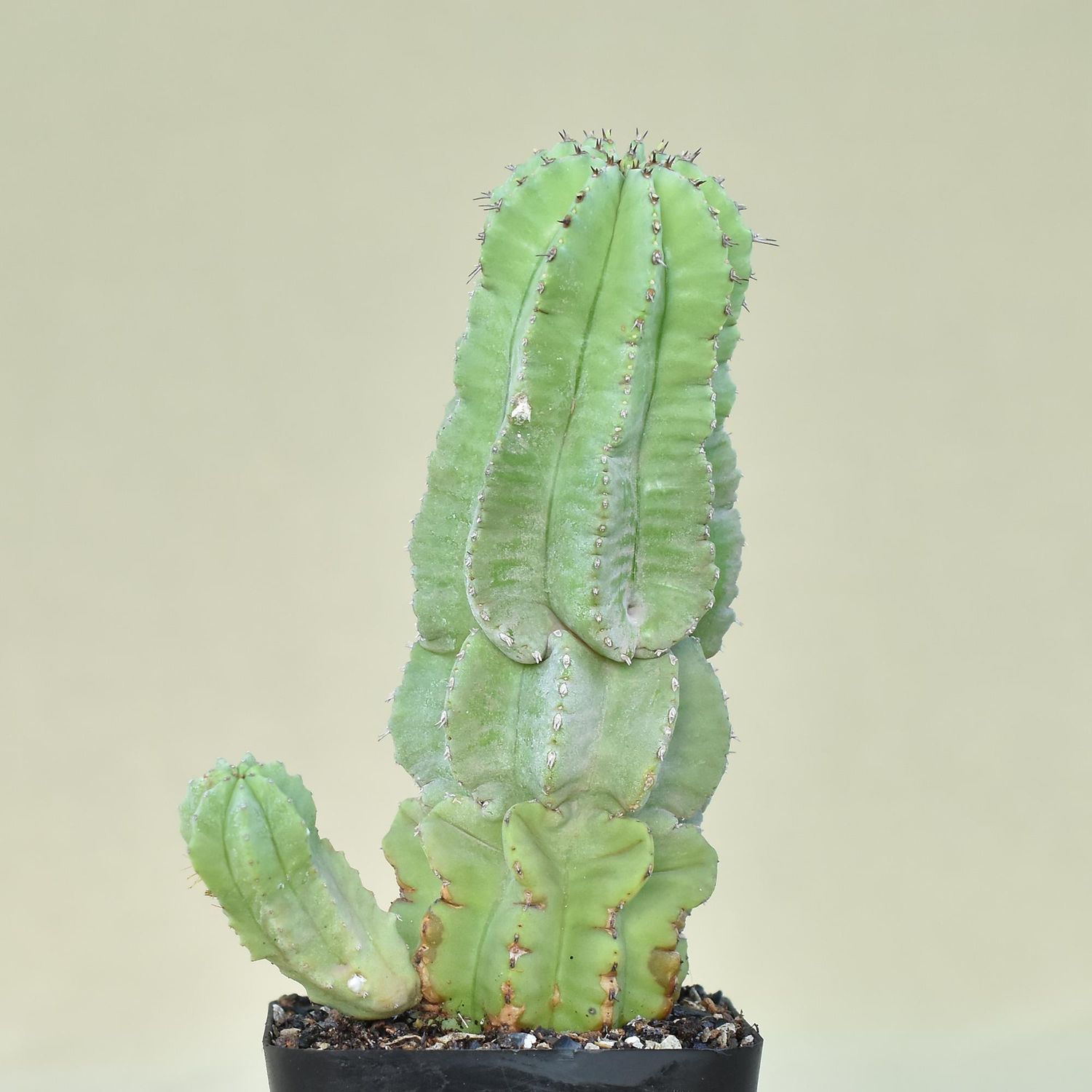
Euphorbia fruticosa inermis
Product Details
Architectural Elegance: Euphorbia fruticosa inermis
A spineless marvel of geometric precision, this rare succulent offers the sculptural beauty of a cactus without the thorns.
- Origin & History of Name: The genus Euphorbia was named by King Juba II of Numidia in honor of his Greek physician, Euphorbus, who utilized the plant's caustic latex for medicinal purposes. The specific epithet fruticosa translates to "shrubby," while inermis is Latin for "unarmed" or "defenseless," denoting this specific variety’s lack of the sharp spines typically found on the standard species.
- Morphology: This succulent is characterized by its compact, clumping habit.
- Habitat & Origin: Euphorbia fruticosa is a wild species native to the arid rocky ridges of Yemen and the Arabian Peninsula.
- Cultivation Profile:
- Substrate: A strictly mineral-based mix is essential for the Indian climate. Use a blend of 70% inorganic material (pumice, perlite, or crushed brick) and 30% organic compost to prevent root rot during high humidity.
- Light: Thrives in bright, indirect sunlight. In the Indian subcontinent, provide 40–50% shade during peak summer afternoons to prevent epidermal scorching.
- Water/Dormancy: Water thoroughly only when the substrate is completely dry. In North India, reduce watering significantly during the winter dormancy. During the monsoon, protect the plant from overhead rain to avoid fungal pathogens.
- Scientific/Historical Anecdote: Despite their cactus-like appearance, Euphorbias are not related to the Cactaceae family.
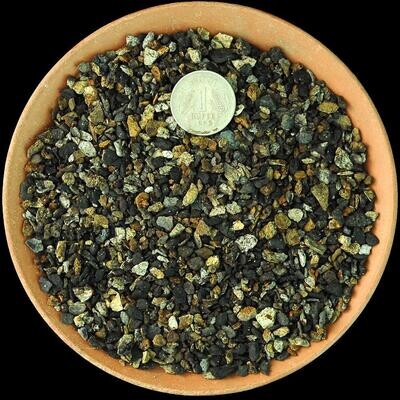
Cactus & Succulent Planting Mix COARSE (aka Cactus Soil Mix or Succulent Soil Mix)
Cactus & Succulent Planting Mix COARSE (aka Cactus Soil Mix or Succulent Soil Mix)
Washed, Free-Draining Mineral Mix for Cactus & Succulents
SKU MNS003
₹44.85
New
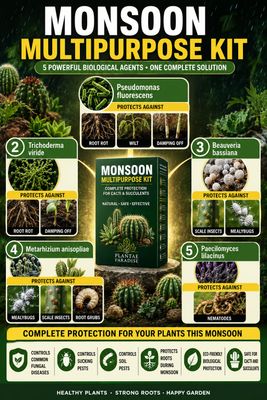
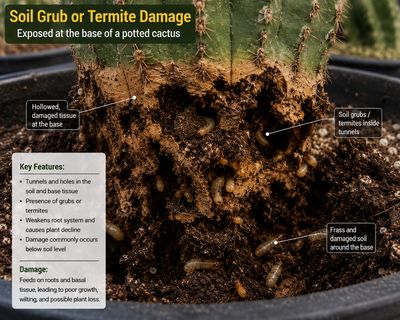
Monsoon Guardian Kit (5 in 1)
Monsoon Guardian Kit (5 in 1)
Complete 5-in-1 biological protection kit for cacti & succulents
SKU MNS024
₹850.00
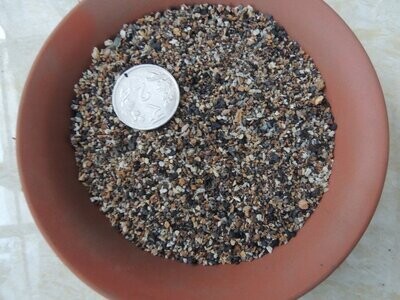
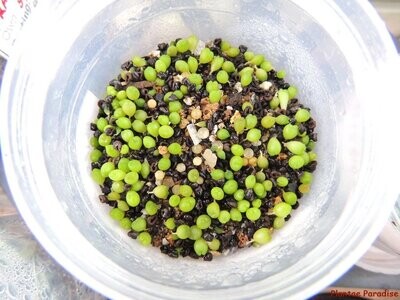
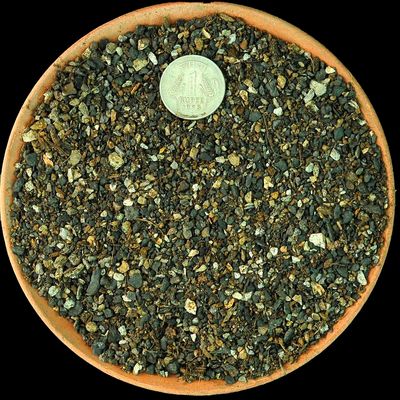
Cactus Seed Planting Mix
Cactus Seed Planting Mix
Sterile, Fine-Grain Media for Cactus & Succulent Seeds
SKU MNS005
₹74.85