

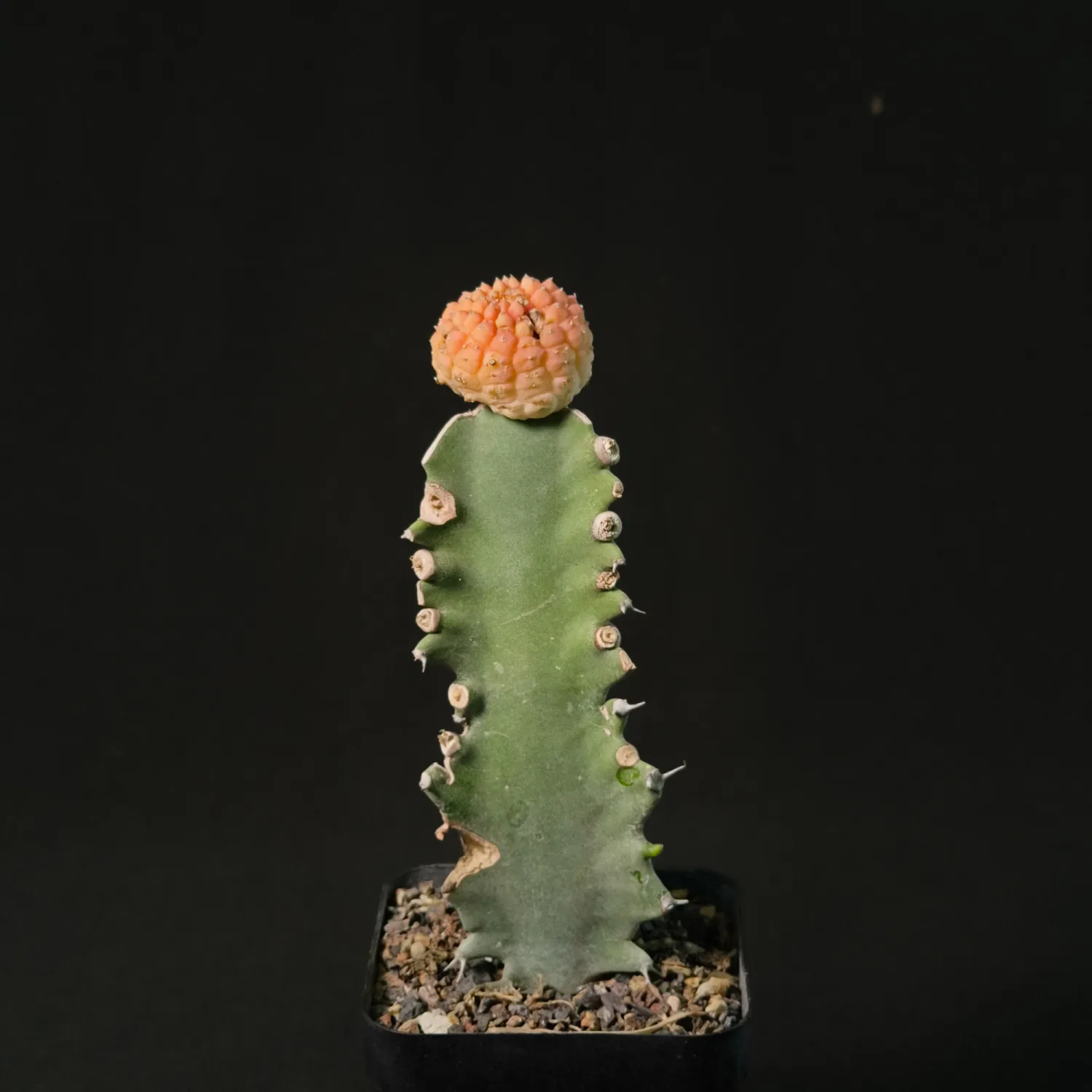
Euphorbia gymnocalycioides Variegated
Product Details
Geometric Marvel: Euphorbia gymnocalycioides Variegated
A high-contrast living sculpture for the serious collector, blending rare geometry with vivid mutations.
- Origin & History of Name: The genus name Euphorbia honors Euphorbus, the Greek physician to King Juba II of Numidia (c. 50 BC), who reportedly used the plant's caustic latex for medicinal purposes.
The specific epithet gymnocalycioides is a botanical descriptor meaning "resembling a Gymnocalycium," a nod to its striking visual similarity to the South American cactus genus, despite being an unrelated succulent. - Morphology: This plant is characterized by a globose, often flattened epidermis that lacks the typical spines of most Euphorbias. It features distinct, rounded costae (ribs) divided by horizontal grooves, creating a "tessellated" or tiled appearance. The variegation introduces irregular sectors of creamy yellow or white, where chlorophyll is absent, contrasting against the deep green or purplish-grey base tissue.
- Habitat & Origin: The base species is a wild succulent native to a very restricted limestone-rich region in the Sidamo Province of Ethiopia.
However, the variegated form is a cultivar, primarily stabilized through selective breeding in specialized nurseries. To ensure sustainability, ensure your specimen is nursery-propagated, as wild populations are extremely vulnerable to over-collection. - Cultivation Profile:
- Substrate: Use a strictly mineral-based mix (70% grit/pumice, 30% organic matter). In India, crushed brick or expanded clay pebbles (leca) help prevent root rot during high humidity.
- Light: Requires bright, indirect light.
Avoid the harsh midday Indian sun (12:00 PM – 4:00 PM) to prevent scorching the sensitive variegated tissue; a 50% shade net is ideal. - Water/Dormancy: Water thoroughly only when the medium is bone-dry.
During the monsoon and winter, drastically reduce watering as the plant enters dormancy. Stagnant humidity is its primary enemy.
- Scientific/Historical Anecdote: When first discovered in Ethiopia in 1940 by botanist Sergio Telesi, E. gymnocalycioides was so well-camouflaged among the limestone pebbles that it remained "lost" to the wider horticultural world for decades. It is a classic example of convergent evolution, where two unrelated plants (this succulent and the Gymnocalycium cactus) evolved nearly identical forms to survive in similar arid environments on different continents.
Cactus Seed Planting Mix
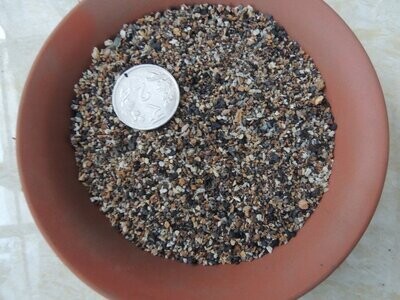
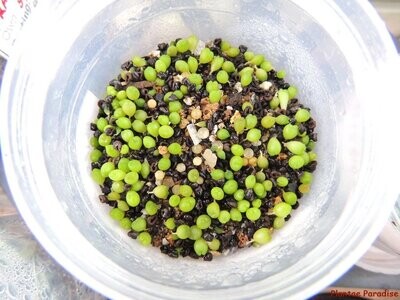
Cactus Seed Planting Mix
Sterile, Fine-Grain Media for Cactus & Succulent Seeds
SKU MNS005
₹74.85
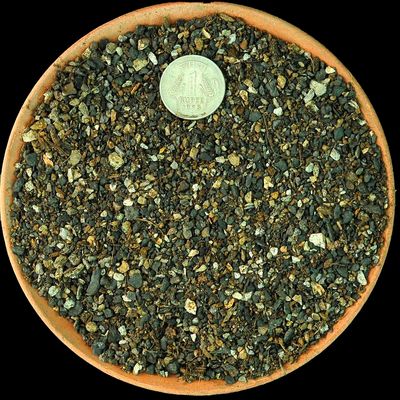

Cactus & Succulent Planting Mix COARSE (aka Cactus Soil Mix or Succulent Soil Mix)
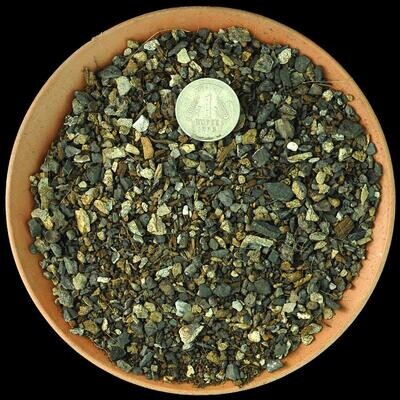
Cactus & Succulent Planting Mix COARSE (aka Cactus Soil Mix or Succulent Soil Mix)
Washed, Free-Draining Mineral Mix for Cactus & Succulents
SKU MNS003
₹44.85