

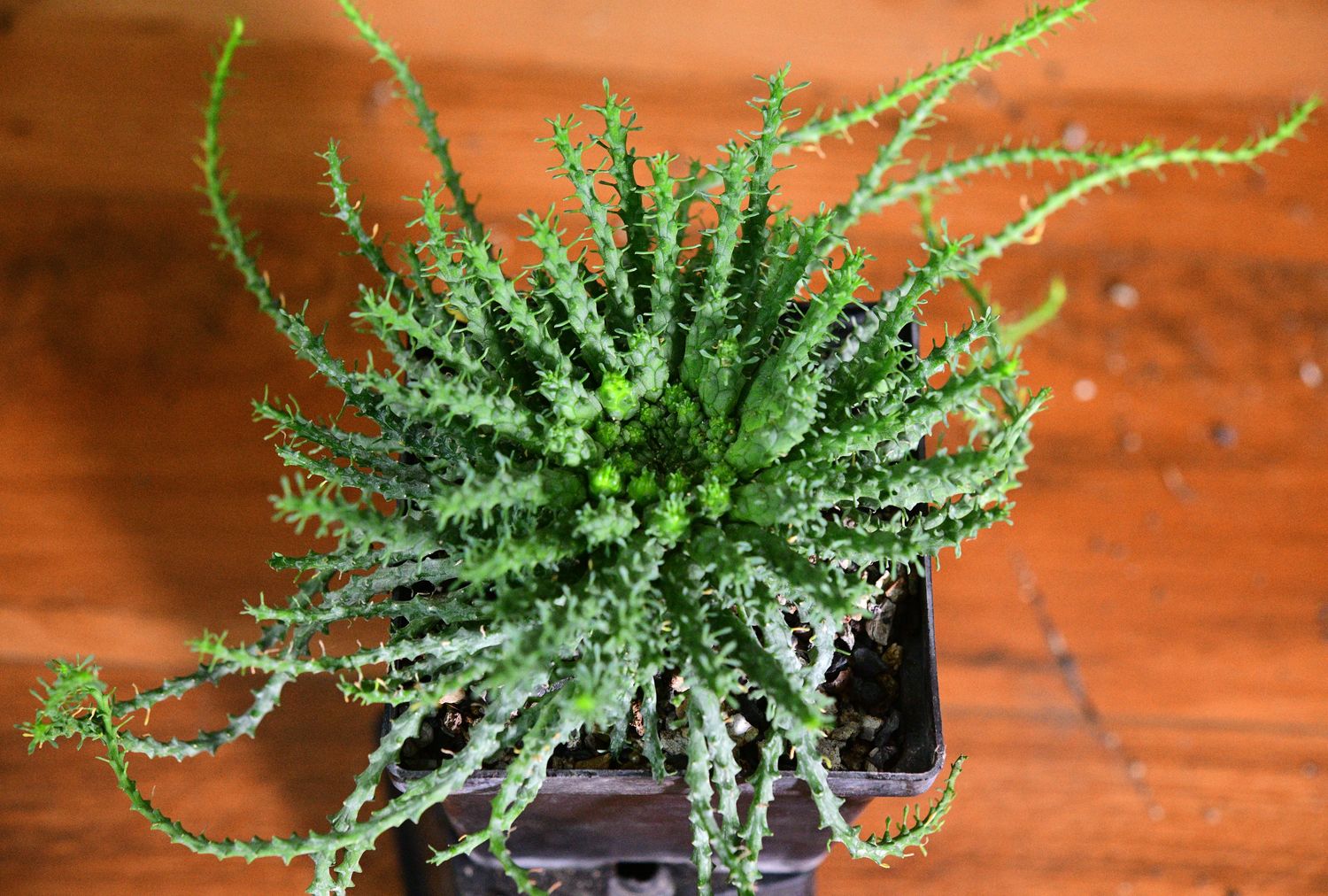
Euphorbia gorgonis
Product Details
Mythological Symmetry: Euphorbia gorgonis
A captivating medusoid succulent featuring a central caudex enveloped by radiating serpentine arms.
- Origin & History of Name: The genus Euphorbia honors Euphorbus, the Greek physician to King Juba II of Numidia, who utilized the plant's caustic latex for medicinal purposes.
The specific epithet gorgonis refers to the Gorgons of Greek mythology—monstrous sisters with hair made of living snakes—alluding to the plant’s distinctive growth habit where branches radiate from a central point like the head of Medusa. - Morphology: This species is a classic "medusoid" succulent. It possesses a thickened, globose central caudex (trunk) that remains mostly subterranean in the wild.
From the apex, numerous cylindrical, tuberculate branches emerge, creating a symmetrical radial pattern. The epidermis is a matte green to brownish-purple, and the plant produces small, star-shaped cyathia (floral structures) at the center, typically yellow-green in hue, which lack the showy petals found in non-succulent flora. - Habitat & Origin: Euphorbia gorgonis is a wild species endemic to the Eastern Cape Province of South Africa.
It thrives in rocky, arid terrain where it is often wedged into crevices. All specimens offered are nursery-propagated from seed to ensure the preservation of wild populations and adherence to CITES sustainability protocols. - Cultivation Profile:
- Substrate: Requires a coarse, mineral-based mix with high porosity. Use a blend of 80% volcanic rock, grit, or coarse sand and 20% well-aged compost to ensure rapid drainage.
- Light: Prefers bright, indirect light or morning sun. In the Indian subcontinent, protect from harsh midday overhead sun during April and May to prevent epidermal scorching.
- Water/Dormancy: Water deeply but infrequently when the substrate is completely dry during the growing season. This species undergoes summer-responsive growth but requires a dry rest in winter. Avoid overhead watering, as moisture trapped in the dense branches can trigger fungal rot in humid Indian monsoon conditions.
- Scientific/Historical Anecdote: Like all members of its genus, Euphorbia gorgonis contains a milky, alkaloid-rich latex.
While this sap is a defensive mechanism against herbivores, historical records indicate that various Euphorbia species were used by indigenous South African tribes to create poisoned arrows. In a modern scientific context, the unique "medusoid" growth form is studied as an evolutionary adaptation to maximize photosynthetic surface area while keeping the sensitive primary meristem protected near the cool soil surface.
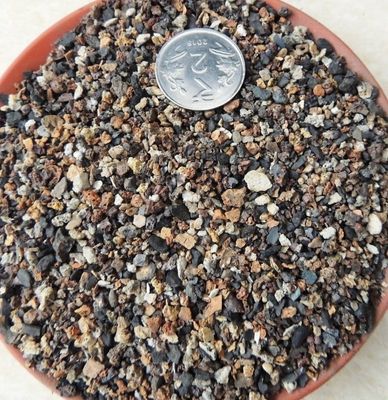

Cactus & Succulent Planting Mix FINE (aka Cactus Soil Mix or Succulent Soil Mix)
Cactus & Succulent Planting Mix FINE (aka Cactus Soil Mix or Succulent Soil Mix)
Fine-Grain Potting Mix for Cactus & Succulent Roots
SKU MNS001
₹39.85
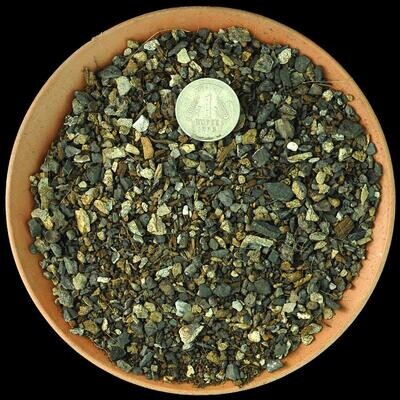
New
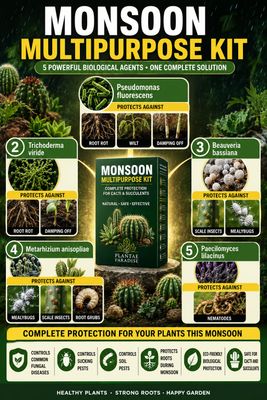
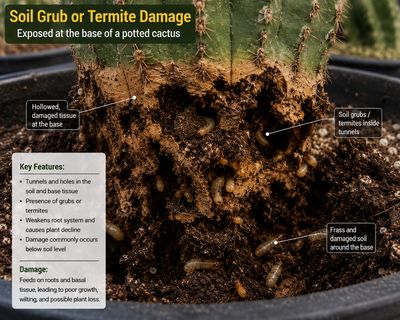
Monsoon Guardian Kit (5 in 1)
Monsoon Guardian Kit (5 in 1)
Complete 5-in-1 biological protection kit for cacti & succulents
SKU MNS024
₹850.00
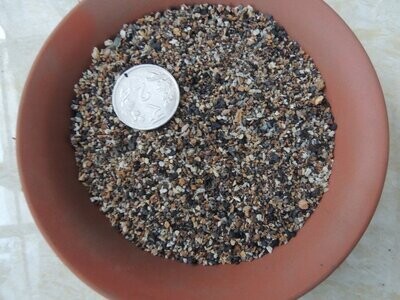
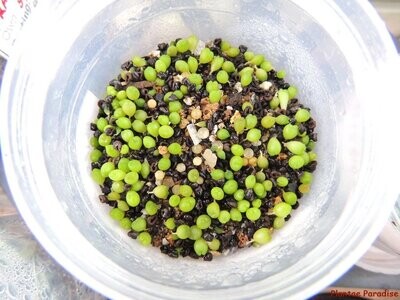
Cactus Seed Planting Mix
Cactus Seed Planting Mix
Sterile, Fine-Grain Media for Cactus & Succulent Seeds
SKU MNS005
₹74.85