

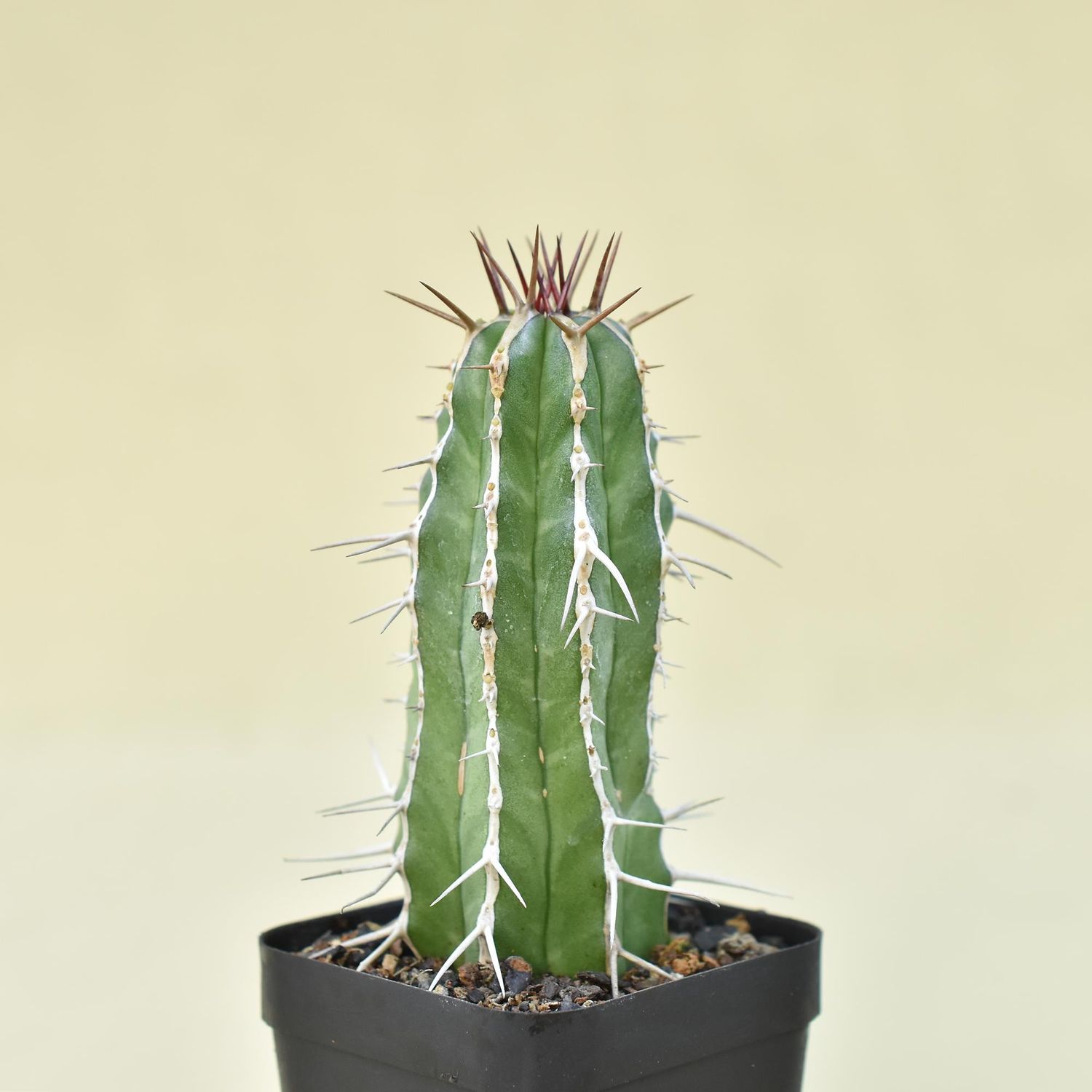
Euphorbia hadiensis
Product Details
Arabian Desert Sentinel: Euphorbia hadiensis
An architectural rarity from the Arabian Peninsula, this sculptural succulent defines minimalist desert elegance with its clean, upright geometry.
- Origin & History of Name: The genus Euphorbia was named by King Juba II of Mauretania in honor of his Greek physician, Euphorbus, who utilized the plant's caustic latex in medicine. The specific epithet hadiensis is a geographical reference to Jabal Hadi in Yemen, where the species was first formally documented. It was historically identified in the late 18th century during European botanical expeditions to the "Felix Arabia" region.
- Morphology: This species is a shrubby, succulent perennial characterized by its upright, segmented stems. The epidermis is a matte glaucous green, featuring 3 to 5 prominent costae (ribs) that are often slightly undulated. Along the margins of these ribs, it produces pairs of short, dark stipular spines. Unlike many succulents, its inflorescences (cyathia) are small and yellowish, appearing along the ridges of the upper stems during peak growing seasons.
- Habitat & Origin: Euphorbia hadiensis is a wild species native to the arid rocky slopes and scrublands of the Arabian Peninsula and parts of East Africa (Ethiopia, Somalia). It is highly adapted to xerophytic conditions. Our specimens are exclusively nursery-propagated via sustainable stem cuttings, ensuring the preservation of wild populations in their fragile desert ecosystems.
- Cultivation Profile:
- Substrate: Requires an ultra-draining mineral-based mix. A composition of 60% coarse grit or volcanic cinder and 40% sandy loam is ideal for preventing moisture retention around the root neck.
- Light: Thrives in full sun to bright indirect light.
In the Indian subcontinent, it excels in rooftop gardens or south-facing balconies. Provide 20% shade cloth during the extreme heat of North Indian summers to prevent epidermal scorching. - Water/Dormancy: Extremely drought-tolerant. Water deeply only when the substrate is completely dry. In the humid Indian monsoon, withhold water entirely if kept outdoors. The plant undergoes a semi-dormancy during the peak of winter; reduce watering to once a month to avoid fungal pathogens.
- Scientific/Historical Anecdote: Like all members of its genus, Euphorbia hadiensis contains a complex, milky white latex. This sap is rich in diterpene esters, which serve as a sophisticated chemical defense mechanism. Historically, across the Arabian Peninsula, various Euphorbia species were studied by early herbalists for their potent—and often dangerous—purgative properties, marking them as plants of significant ethnobotanical intrigue.
New
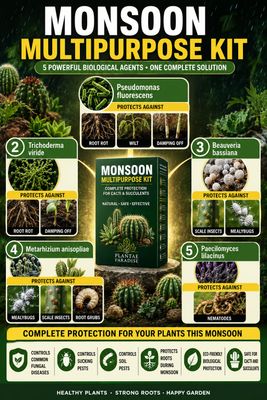
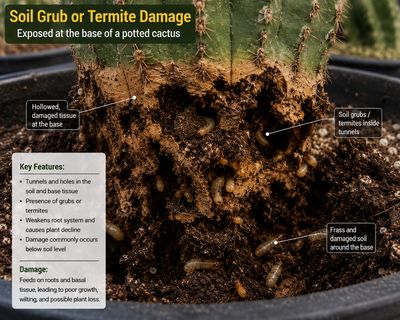
Monsoon Guardian Kit (5 in 1)
Monsoon Guardian Kit (5 in 1)
Complete 5-in-1 biological protection kit for cacti & succulents
SKU MNS024
₹850.00
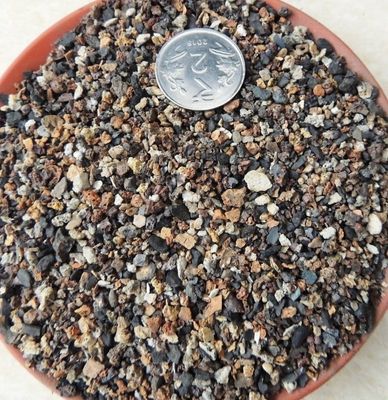
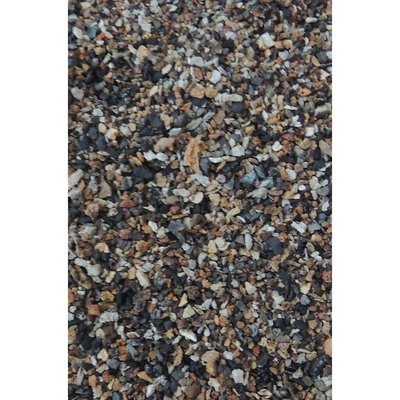
Cactus & Succulent Planting Mix FINE (aka Cactus Soil Mix or Succulent Soil Mix)
Cactus & Succulent Planting Mix FINE (aka Cactus Soil Mix or Succulent Soil Mix)
Fine-Grain Potting Mix for Cactus & Succulent Roots
SKU MNS001
₹39.85

Cactus & Succulent Planting Mix COARSE (aka Cactus Soil Mix or Succulent Soil Mix)
Cactus & Succulent Planting Mix COARSE (aka Cactus Soil Mix or Succulent Soil Mix)
Washed, Free-Draining Mineral Mix for Cactus & Succulents
SKU MNS003
₹44.85
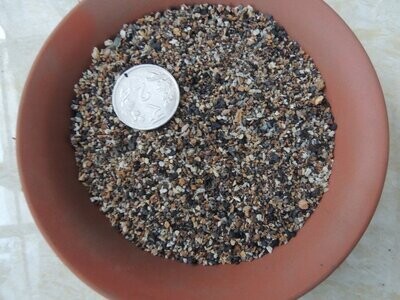
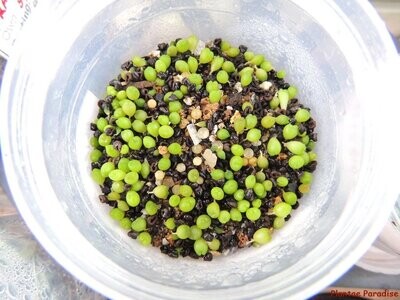
Cactus Seed Planting Mix
Cactus Seed Planting Mix
Sterile, Fine-Grain Media for Cactus & Succulent Seeds
SKU MNS005
₹74.85