

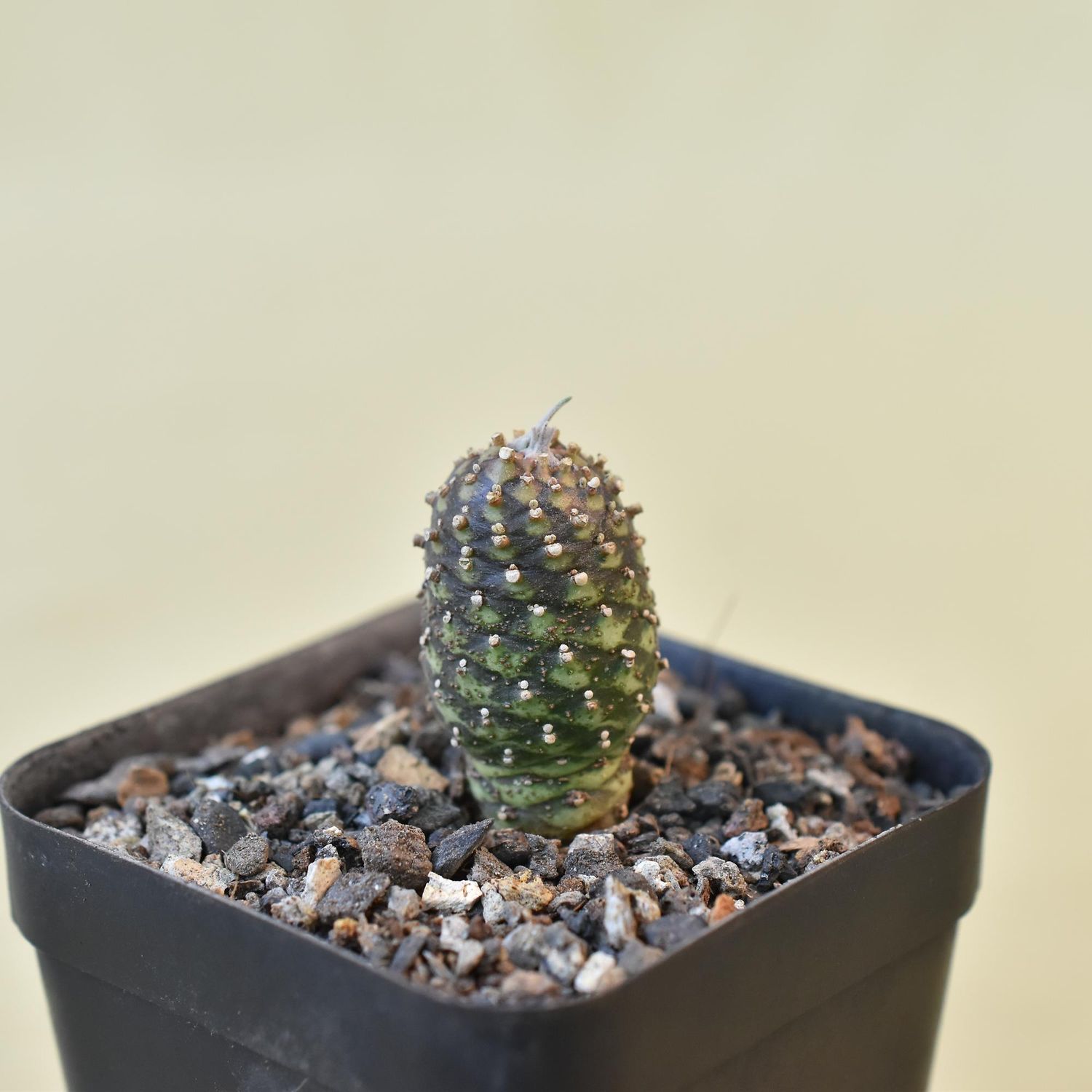
Euphorbia hadramautica
Product Details
Rare Arabian Caudex: Euphorbia hadramautica
A coveted architectural gem for collectors, prized for its distinctive subterranean tuber and exotic leafy crown.
- Origin & History of Name: The species name hadramautica refers to the Hadhramaut region in southern Yemen, where it was first documented.
- Morphology: This geophytic succulent features a thick, fleshy caudex (storage organ) that remains mostly underground in habitat.
- Habitat & Origin: This is a wild species native to the rocky, limestone plateaus of Yemen, Oman, and parts of Somalia. It is not a cultivar. Our specimens are nursery-grown from seed to ensure the protection of wild populations and adhere to sustainable trade practices, preventing the depletion of its restricted natural habitat.
- Cultivation Profile:
- Substrate: Use a strictly mineral-based mix (70% inorganic). A blend of coarse river sand, pumice, and crushed gravel with minimal leaf mold is ideal for the Indian climate to prevent root rot.
- Light: Requires bright, indirect sunlight. In the Indian subcontinent, protect from harsh afternoon sun (12 PM – 4 PM) during summer to prevent epidermal scorching; a 50% shade net is recommended.
- Water/Dormancy: Water deeply during the monsoon and summer when leaves are present. It enters a strict deciduous dormancy in winter; withhold water entirely once leaves yellow and drop to mimic its arid native dry season.
- Scientific/Historical Anecdote: Euphorbia hadramautica belongs to a unique group of "cryptic succulents." In its native habitat, the plant often pulls itself deeper into the soil using contractile roots during extreme droughts, leaving only the very tip of the stem visible. This survival mechanism protects the moisture-rich caudex from both the sun's intensity and thirsty herbivores.
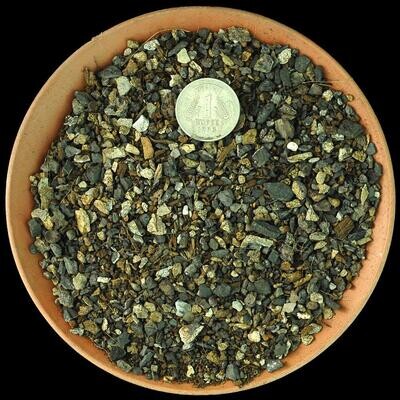
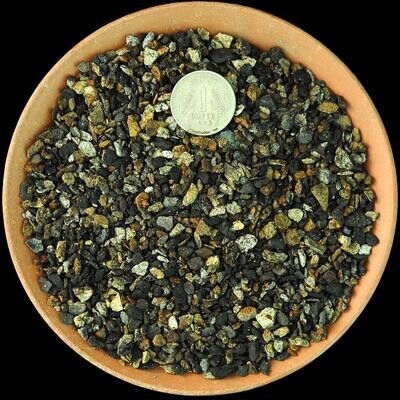
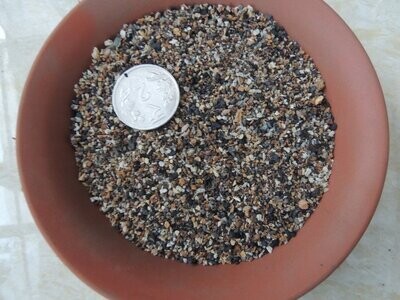
Cactus & Succulent Planting Mix COARSE (aka Cactus Soil Mix or Succulent Soil Mix)
Cactus & Succulent Planting Mix COARSE (aka Cactus Soil Mix or Succulent Soil Mix)
Washed, Free-Draining Mineral Mix for Cactus & Succulents
SKU MNS003
₹38.74
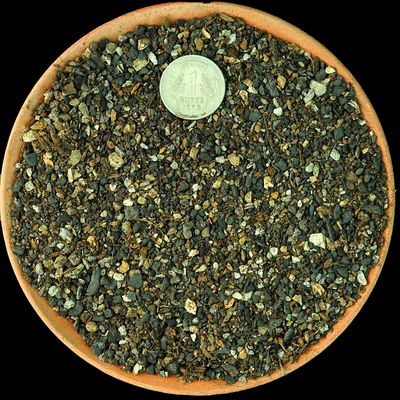
Cactus Seed Planting Mix
Cactus Seed Planting Mix
Sterile, Fine-Grain Media for Cactus & Succulent Seeds
SKU MNS005
₹66.35