

Euphorbia hedyotoides
Product Details
Same plant will be sent - leaves fall off in transit and also while approaching colder weather.
The Madagascan Caudex Bonsai: Euphorbia hedyotoides
A botanical masterclass in disguise, hiding a massive, sculptural caudex beneath the unassuming canopy of a delicate forest shrub.
- Origin & History of Name The genus name Euphorbia honors Euphorbus, the Greek physician to King Juba II of Mauretania (circa 50 BC), credited with discovering the medicinal properties of the latex.
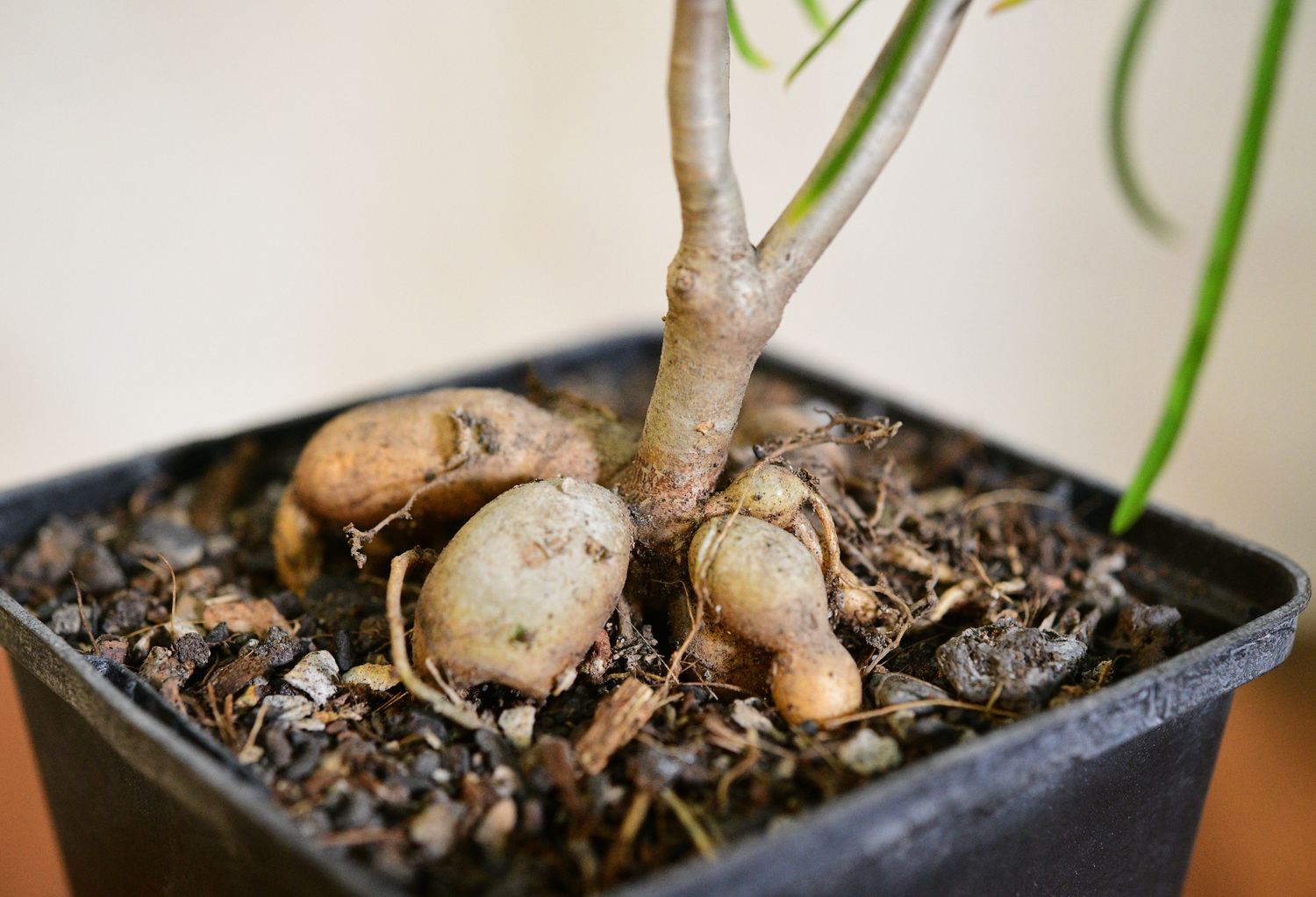
The specific epithet hedyotoides signifies a morphological resemblance ("-oides") to plants in the genus Hedyotis (now often associated with Oldenlandia), referring to its unexpectedly slender, non-succulent foliage which confused early taxonomists. - Morphology While it appears as a twiggy shrub above ground, this species is a "geophyte" possessing a massive, subterranean tuberous root (caudex).
The stems are woody, spineless, and covered in gray-brown bark (cortex), branching densely to support clusters of linear, deciduous leaves. The true architectural value lies in the knobby, water-storing rootstock, which can be gradually raised above the soil line to create a natural bonsai aesthetic. - Habitat & Origin This is a wild species endemic to the semi-arid "spiny forests" of Southern and Southwestern Madagascar.
It is not a man-made cultivar but a distinct botanical species adapted to severe dry seasons. In the wild, it is threatened by habitat loss; therefore, all commercially available specimens should be seed-grown or ethically propagated cuttings to ensure sustainability. - Cultivation Profile
- Substrate: Requires a highly porous, mineral-heavy mix (e.g., 70% pumice/perlite/grit + 30% organic compost) to mimic the rocky Madagascan soil and prevent root rot in Indian humidity.
- Light: Thrives in bright, indirect light to partial direct sun.
In the Indian summer, protect from scorching midday sun (12 PM–4 PM) to prevent leaf burn; morning sun is ideal. - Water/Dormancy: Water moderately during the active growing season (monsoon/warm months), allowing the substrate to dry completely between distinct waterings.
Drastically reduce watering in winter as the plant enters dormancy and may drop its leaves.
- Scientific/Historical Anecdote For decades, this plant suffered from an identity crisis in the botanical world. It was independently described as Euphorbia decariana by the botanist Leon Croizat in 1934.
However, it was later discovered that N.E. Brown had already cataloged it as E. hedyotoides in 1909. Today, collectors often still encounter the invalid synonym E. decariana on old nursery labels, a ghostly remnant of this taxonomic redundancy.

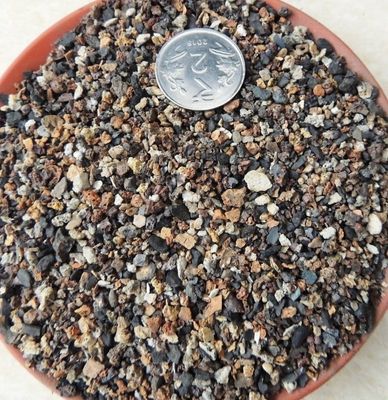
Cactus & Succulent Planting Mix COARSE (aka Cactus Soil Mix or Succulent Soil Mix)
Cactus & Succulent Planting Mix COARSE (aka Cactus Soil Mix or Succulent Soil Mix)
Washed, Free-Draining Mineral Mix for Cactus & Succulents
SKU MNS003
₹44.85

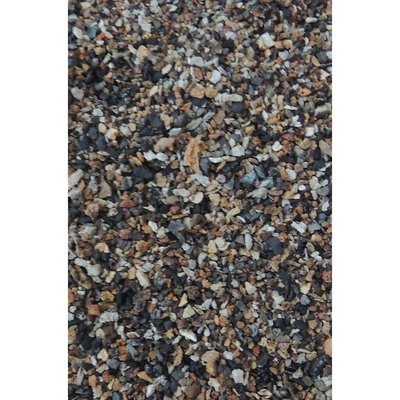
Cactus & Succulent Planting Mix FINE (aka Cactus Soil Mix or Succulent Soil Mix)
Cactus & Succulent Planting Mix FINE (aka Cactus Soil Mix or Succulent Soil Mix)
Fine-Grain Potting Mix for Cactus & Succulent Roots
SKU MNS001
₹39.85
New


Monsoon Guardian Kit (5 in 1)
Monsoon Guardian Kit (5 in 1)
Complete 5-in-1 biological protection kit for cacti & succulents
SKU MNS024
₹850.00