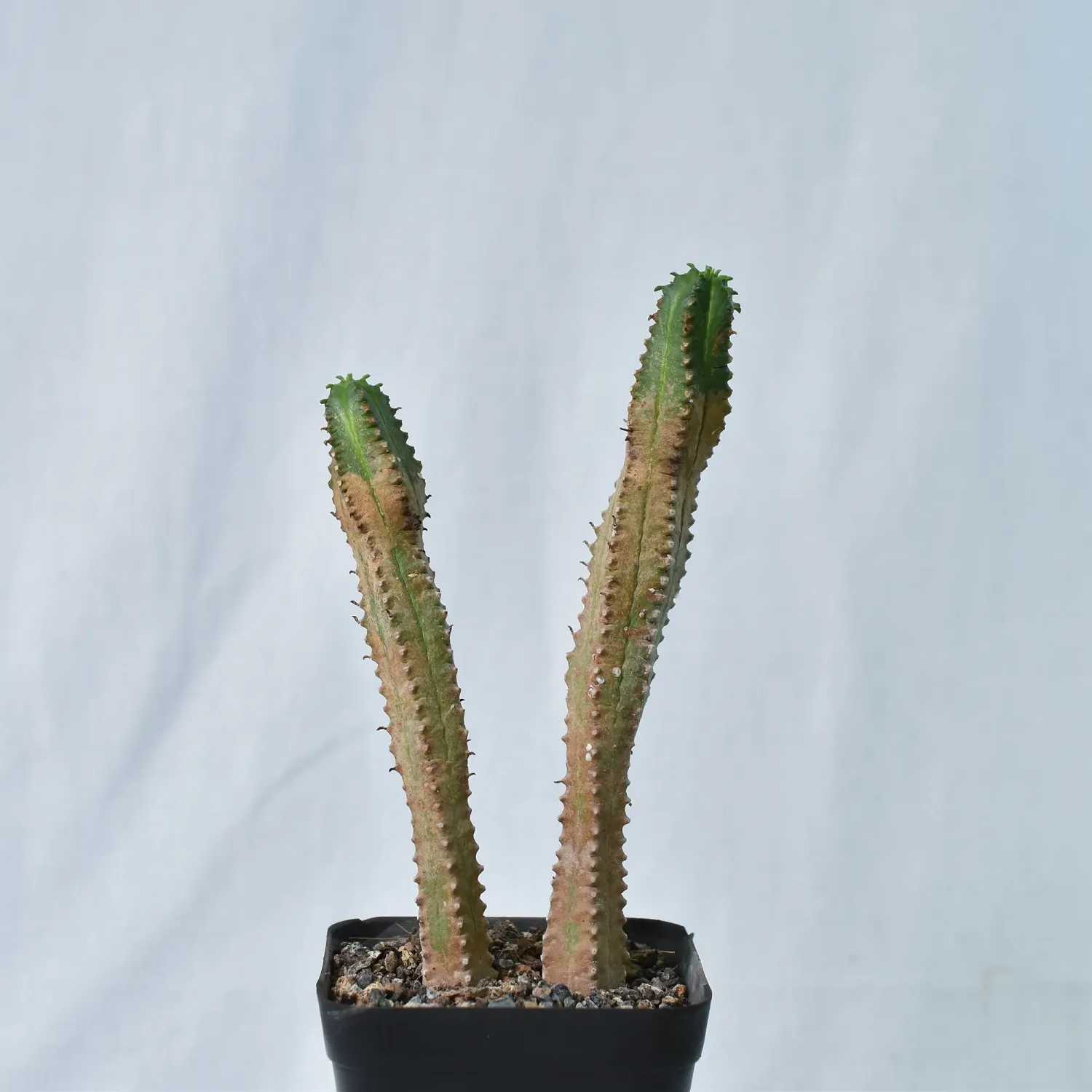
Euphorbia jansenvillensis
Product Details
The Geometric Marvel: Euphorbia jansenvillensis
A structural masterpiece of the Eastern Cape, this rare succulent is a must-have for the discerning collector of architectural flora.
- Origin & History of Name: The genus name Euphorbia honors Euphorbus, the Greek physician to King Juba II of Numidia, who purportedly used the milky sap of these plants for medicinal purposes.
- Morphology: This species is characterized by its rhizomatous growth habit, producing subterranean runners that emerge as upright, cylindrical stems. These stems feature a dull green epidermis and are divided into distinct costae (ribs) adorned with small, paired spines. Unlike many leafy succulents, its photosynthetic activity occurs primarily within the stem tissue, a specialized adaptation for water conservation.
- Habitat & Origin: Euphorbia jansenvillensis is a wild species endemic to the succulent Karoo biome of the Eastern Cape Province, South Africa.
- Cultivation Profile:
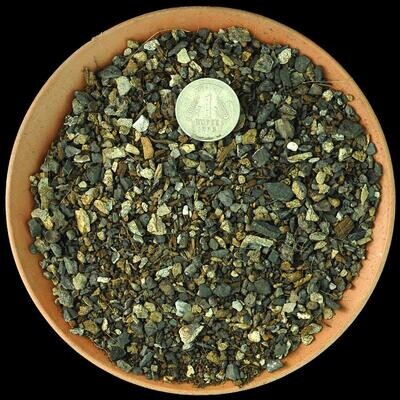
- Substrate: Use a strictly mineral-based mix (coarse sand, perlite, and volcanic rock) with less than 10% organic matter to prevent root rot in humid Indian climates.
- Light: Requires bright, indirect light or partial morning sun. In the Indian subcontinent, protect from the scorching overhead afternoon sun (12:00 PM – 4:00 PM) to avoid epidermal scorching.
- Water/Dormancy: Water thoroughly only when the medium is bone-dry. During the monsoon and peak winter, significantly reduce watering as the plant enters a semi-dormant state; excessive moisture during high humidity is the primary cause of failure.
- Scientific/Historical Anecdote: The genus Euphorbia is famous for its convergent evolution. While Euphorbia jansenvillensis looks remarkably like a New World cactus, it is unrelated. It evolved these similar physical traits—spines, fleshy water-storing stems, and reduced leaves—independently as a response to the arid African environment, a phenomenon scientists call "nature's repeat button."
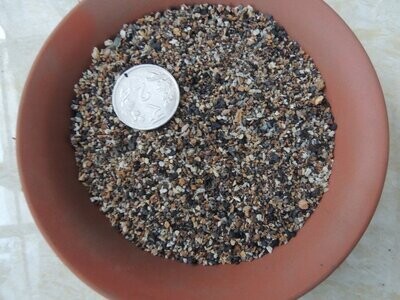
Cactus Seed Planting Mix
Cactus Seed Planting Mix
Sterile, Fine-Grain Media for Cactus & Succulent Seeds
SKU MNS005
₹70.51
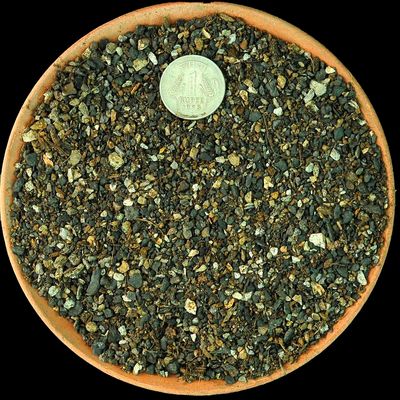
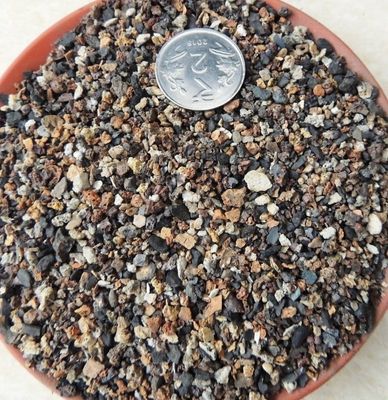
Cactus & Succulent Planting Mix FINE (aka Cactus Soil Mix or Succulent Soil Mix)
Cactus & Succulent Planting Mix FINE (aka Cactus Soil Mix or Succulent Soil Mix)
Fine-Grain Potting Mix for Cactus & Succulent Roots
SKU MNS001
₹35.51