

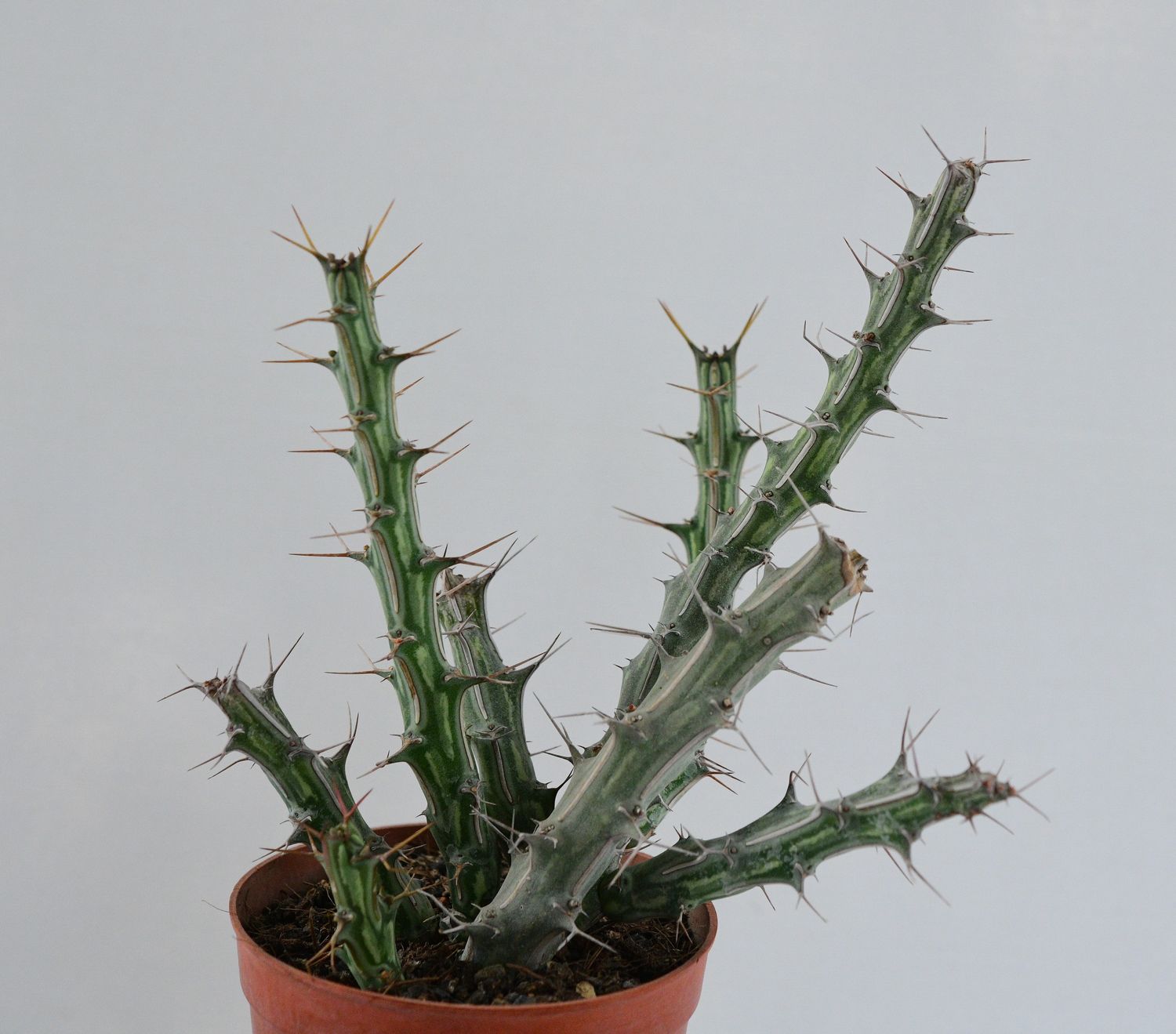
Euphorbia kalisana S.Carter
Product Details
Geometric Rarity: Euphorbia kalisana S.Carter
A masterclass in architectural minimalism, this sought-after Ethiopian endemic is a high-contrast centerpiece for any specialized succulent collection.
- Origin & History of Name: The species name kalisana is derived from the Amharic word "Kalisa," referring to the specific hilly region in Ethiopia where it was first documented. It was formally described by the renowned British botanist Susan Carter Holmes (S. Carter) in 1982, who is celebrated for her extensive taxonomic work on the succulent Euphorbiaceae of East Africa.
- Morphology: This succulent is characterized by its distinct costae (ribs), which are prominently winged and often feature a horny, continuous margin. The epidermis (outer skin) is a matte bluish-green, providing a striking backdrop for the paired spines that emerge along the ridges. Unlike many sprawling species, its growth habit is strictly upright and segmented, creating a clean, geometric silhouette.
- Habitat & Origin: Euphorbia kalisana is a wild species native to the Gamo Gofa and Sidamo regions of Southern Ethiopia. It thrives in deciduous woodlands and rocky slopes. Our specimens are nursery-propagated via sustainable offsets to ensure the protection of wild populations and adherence to CITES conservation guidelines.
- Cultivation Profile:
- Substrate: Use a strictly mineral-based mix (70% grit/pumice/perlite, 30% organic matter). In the humid Indian climate, ensuring rapid drainage is critical to prevent root rot.
- Light: Requires bright, indirect light or filtered morning sun. During intense Indian summers (April–June), provide 50% shade cloth protection to prevent epidermal scorching.
- Water/Dormancy: Water thoroughly only when the medium is completely bone-dry. During the monsoon, withhold water almost entirely. In winter, the plant enters a semi-dormant state; reduce watering frequency to once a month.
- Scientific/Historical Anecdote: Susan Carter, the botanist who named this species, was so prolific in her field that she has over 200 species of plants credited to her name.
Euphorbia kalisana is often studied for its "latex," a milky sap common to the genus, which the plant uses as a sophisticated chemical defense mechanism against herbivores in its harsh native habitat.

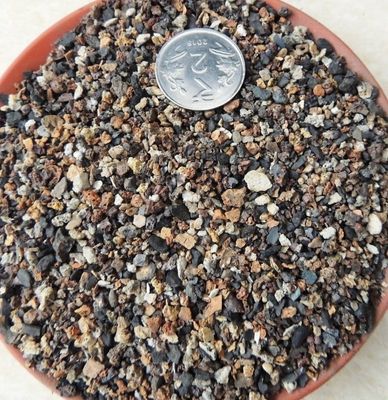
Cactus & Succulent Planting Mix COARSE (aka Cactus Soil Mix or Succulent Soil Mix)
Cactus & Succulent Planting Mix COARSE (aka Cactus Soil Mix or Succulent Soil Mix)
Washed, Free-Draining Mineral Mix for Cactus & Succulents
SKU MNS003
₹44.85
Cactus & Succulent Planting Mix FINE (aka Cactus Soil Mix or Succulent Soil Mix)
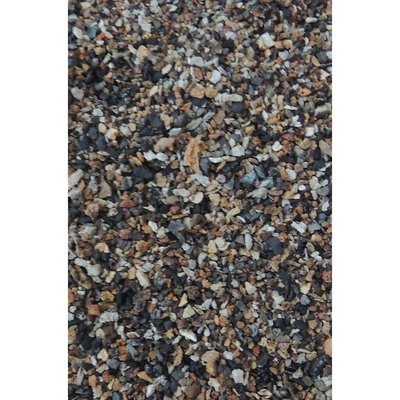
Cactus & Succulent Planting Mix FINE (aka Cactus Soil Mix or Succulent Soil Mix)
Fine-Grain Potting Mix for Cactus & Succulent Roots
SKU MNS001
₹39.85
New
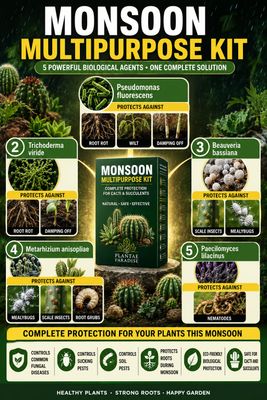
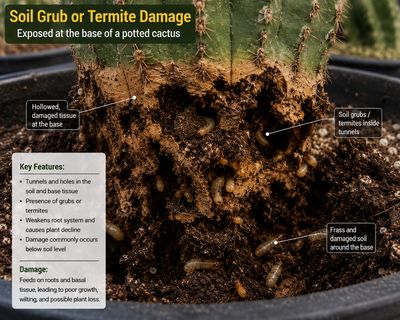
Monsoon Guardian Kit (5 in 1)
Monsoon Guardian Kit (5 in 1)
Complete 5-in-1 biological protection kit for cacti & succulents
SKU MNS024
₹850.00

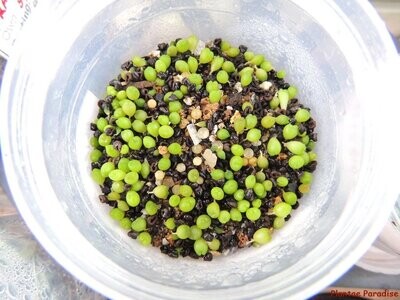
Cactus Seed Planting Mix
Cactus Seed Planting Mix
Sterile, Fine-Grain Media for Cactus & Succulent Seeds
SKU MNS005
₹74.85