Euphorbia lactea crest
Product Details
Living Sculpture: Euphorbia lactea f. cristata
A mesmerizing geometric anomaly, this crested succulent features intricate, fan-like undulations that transform any collection into a gallery of natural art.
- Origin & History of Name: The genus Euphorbia is named after Euphorbus, the Greek physician to King Juba II of Numidia, who utilized the plant's potent latex for medicinal purposes.
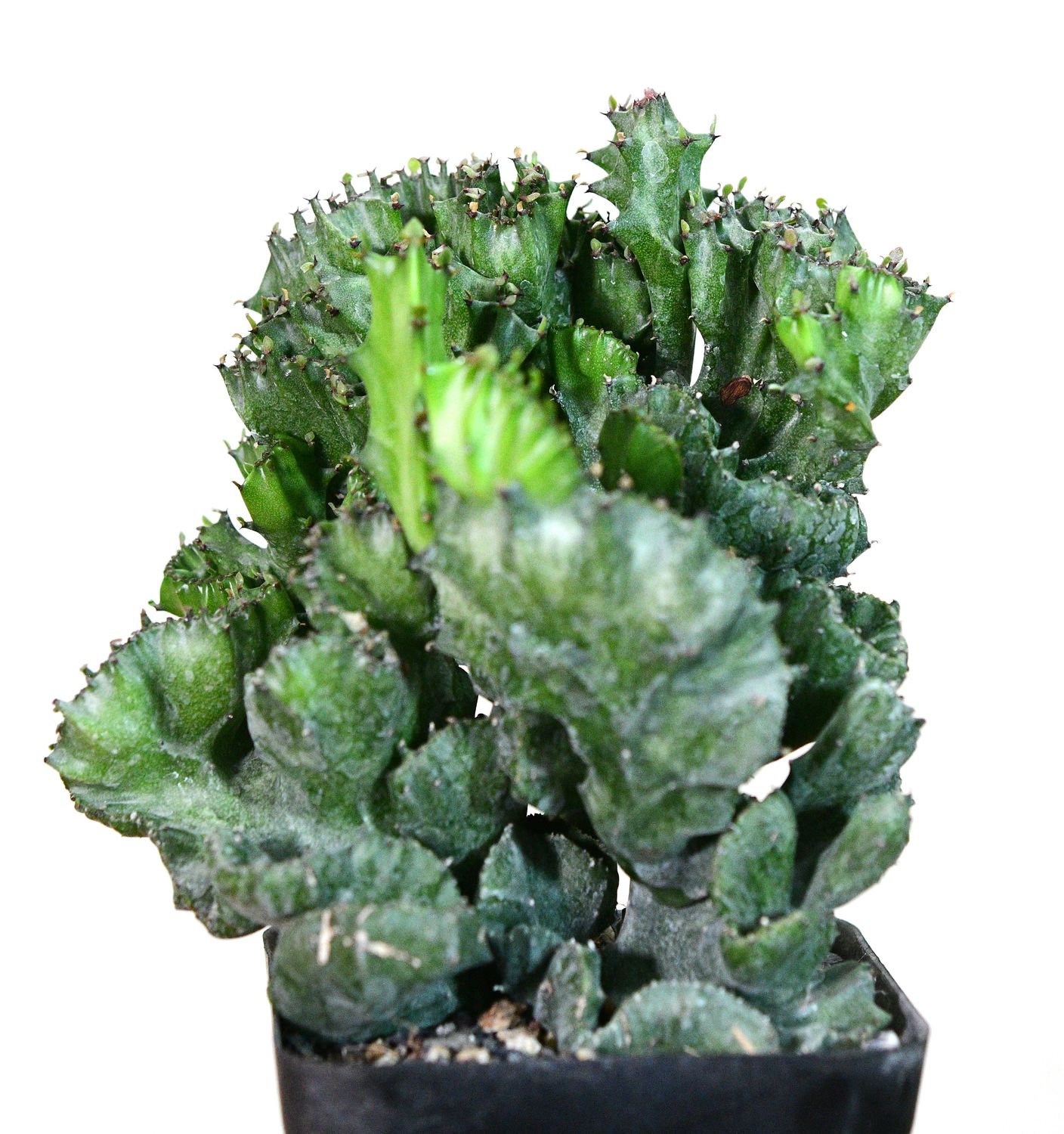
The specific epithet lactea translates to "milky" in Latin, directly referencing the white, caustic sap (latex) characteristic of the species. The designation "f. cristata" (form cristata) identifies the plant's fasciation, a mutation where the growing point expands laterally rather than vertically. - Morphology: This specimen displays a unique cristate mutation, where the apical meristem flattens to create a winding, coral-like ridge.
The epidermis is typically dark green with silver-grey marbling, though it often shows variegation in shades of pink or white. Instead of standard vertical costae (ribs), the plant forms a continuous, wavy crest armed with short, paired spines along the margins. Unlike the upright, branched "Frilled Fan" tree form, the crested variety remains compact and horizontal. - Habitat & Origin: The base species is native to Tropical Asia, specifically India and Sri Lanka.
However, the cristata form is primarily a cultivar maintained through specialized horticultural propagation. Because these mutations are rare in the wild and often lack the vigor to compete, they are sustainably produced in nurseries via grafting—usually onto the hardy Euphorbia neriifolia rootstock—to ensure long-term stability and growth. - Cultivation Profile:
- Substrate: Requires a porous, mineral-dominant medium.
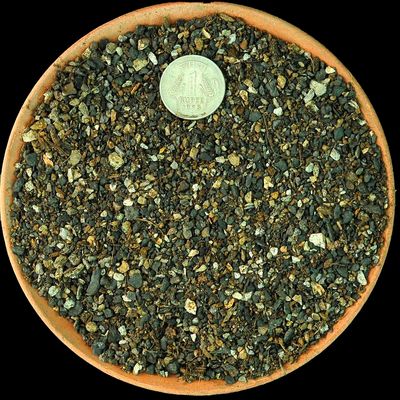
Use a mix of 60% grit (lava rock, coarse sand, or burnt clay leca) and 40% organic compost. - Light: Thrives in bright, indirect light or filtered sunlight.
In the Indian subcontinent, protection from the harsh midday sun is vital to prevent scorching the delicate crest ridges, especially in central and northern regions. - Water/Dormancy: Provide moderate watering during the summer and monsoon, ensuring the substrate dries completely between cycles. During the winter months, the plant undergoes semi-dormancy; reduce watering to once a month to prevent root pathogens in the cooler, damp soil.
- Substrate: Requires a porous, mineral-dominant medium.
- Scientific/Historical Anecdote: The "milky sap" of Euphorbia lactea contains complex terpenes that act as a sophisticated chemical defense system. Historically, this latex was so valued for its intensity that it was used in various cultures as a traditional purgative and even as a constituent in arrow poisons. Botanically, the "flowers" of this genus are actually cyathia—specialized structures where reduced male and female flowers are enclosed within a cup-like involucre, mimicking a single floral unit.
Cactus Seed Planting Mix
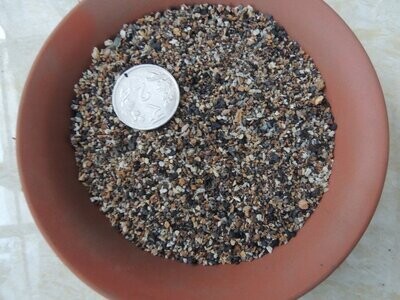
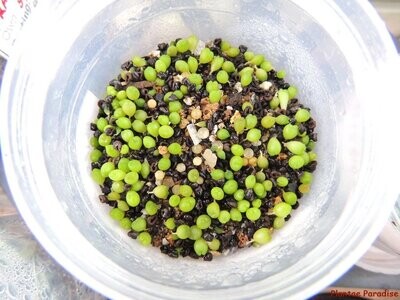
Cactus Seed Planting Mix
Sterile, Fine-Grain Media for Cactus & Succulent Seeds
SKU MNS005
₹74.85
New
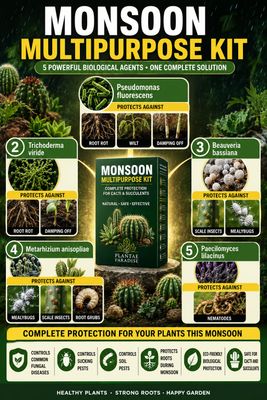
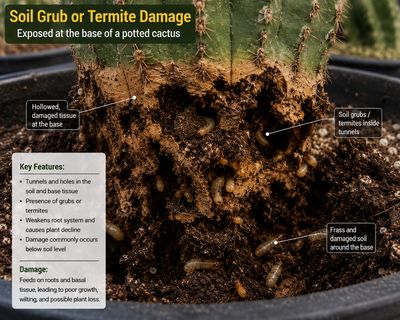
Monsoon Guardian Kit (5 in 1)
Monsoon Guardian Kit (5 in 1)
Complete 5-in-1 biological protection kit for cacti & succulents
SKU MNS024
₹850.00
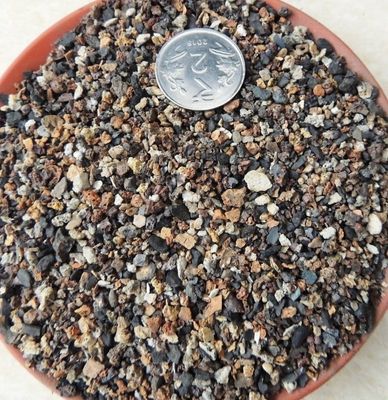

Cactus & Succulent Planting Mix FINE (aka Cactus Soil Mix or Succulent Soil Mix)
Cactus & Succulent Planting Mix FINE (aka Cactus Soil Mix or Succulent Soil Mix)
Fine-Grain Potting Mix for Cactus & Succulent Roots
SKU MNS001
₹39.85