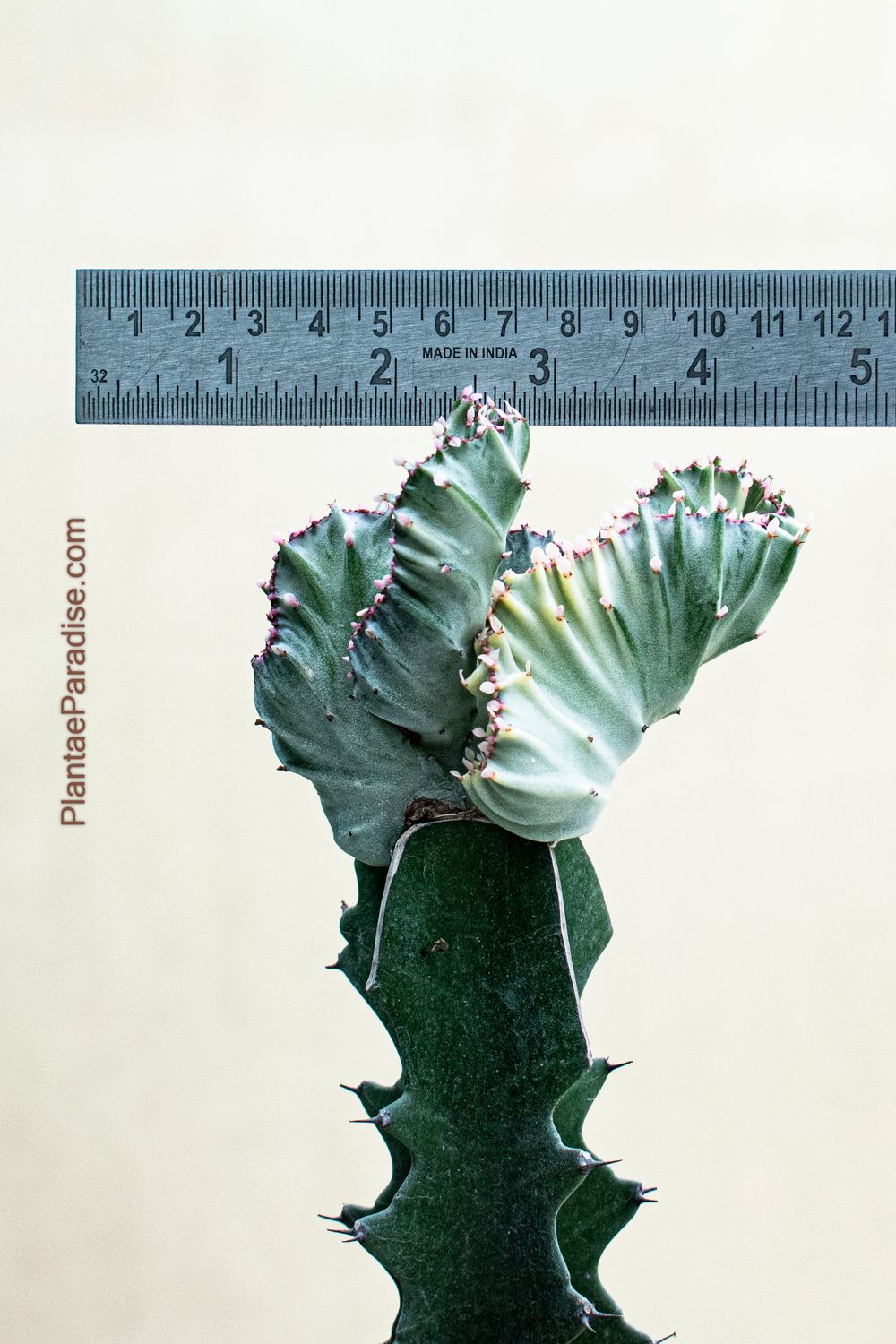
Origin of Name:
The genus Euphorbia honors the ancient Greek physician Euphorbus, known for medicinal uses of the plant’s milky latex. The species lactea translates from Latin as “milky,” referencing the plant’s characteristic milky sap that exudes when cut or damaged. The cultivar name Crest refers to its unique, frilled, crest-like growth form, which looks like a natural ornamental “wave” or “crown,” giving it a distinctive and striking appearance. This variety is appreciated for its artistic, cresting growth pattern that resembles a sculptural work of art.
Origin of Plant:
Native to India and Southeast Asia, Euphorbia lactea has been cultivated and selectively bred into numerous forms around the world, especially as an ornamental cactus or succulent. Its natural habitat includes dry, rocky regions, and it is well adapted to arid climates with intense sunlight, low rainfall, and excellent drainage. Cultivated extensively in tropical and subtropical gardens, it is prized for its architectural shape and vibrant, sculptural appeal.
Description:
Euphorbia lactea 'Crest' is a striking succulent with a branching, cresting growth habit. Unlike typical Euphorbias, it develops a characteristic, undulating “crest” along its stems, creating a layered, ruffled appearance that resembles a natural sculpture. The plant is covered with a network of small, spiny tubercles and ridges that are often tinted with shades of red or pink, especially near tips or in sunlight. Its color ranges from bluish-gray to dark green, with contrasting spines that are sharp and angular. In mature plants, white or yellowish-green flowers may bloom at the crest’s edges, adding delicate accents to the sculptural form.
Conservation Status:
Euphorbia lactea 'Crest' is widely cultivated for ornamental purposes and is not endangered. Its popularity in gardening and as a container plant supports responsible propagation, reducing the need for wild collection. As with all succulents, sustainable practices are encouraged to preserve wild populations.
Care:
Caring for Euphorbia lactea 'Crest' is straightforward:
- Watering: Water sparingly, allowing the soil to dry out completely between watering. Reduce watering significantly during the winter months.
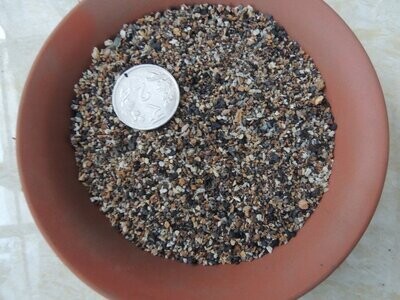
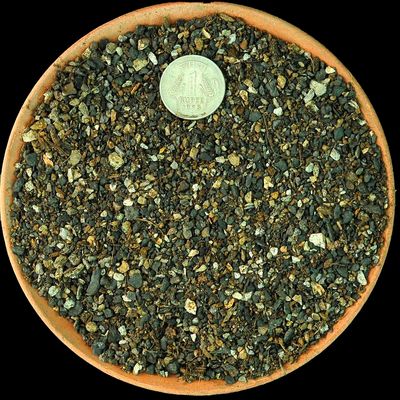
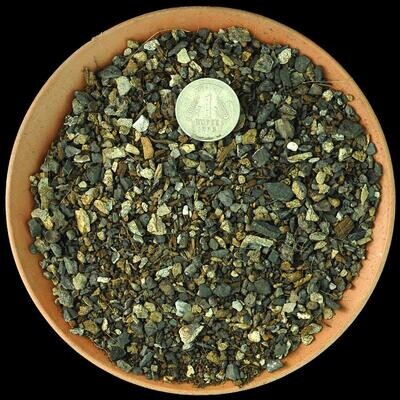
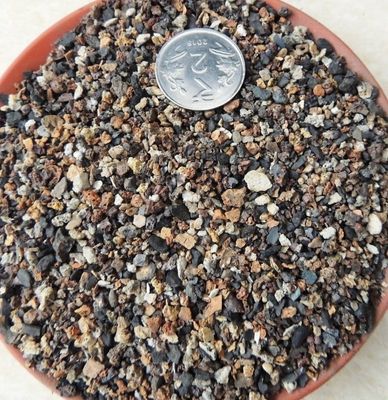
- Soil: Use a fast-draining cactus or succulent mix with coarse sand or gravel to prevent water retention and root rot.
- Light: Requires full sun for best coloration and vigorous growth. Bright, direct sunlight promotes the crest’s dramatic shapes.
- Temperature: Suitable for USDA zones 9-11. Protect from frost and cold temperatures, as the plant is sensitive to freezing.
An Interesting Historical Anecdote:
In Indian culture, Euphorbia lactea has long been appreciated not only for its ornamental qualities but also for its spiritual significance. Its cresting, wave-like growth symbolizes resilience, strength, and spiritual elevation—qualities embodied in traditional lore. European collectors and Asian gardeners alike have admired its sculptural form, often calling it the “Living Sculpture.” Its ability to thrive in arid environments and its eye-catching cresting pattern have made it a favorite among modern succulent artists, inspiring sculptures, garden installations, and even jewelry designs that celebrate nature’s finest, most resilient artworks.