

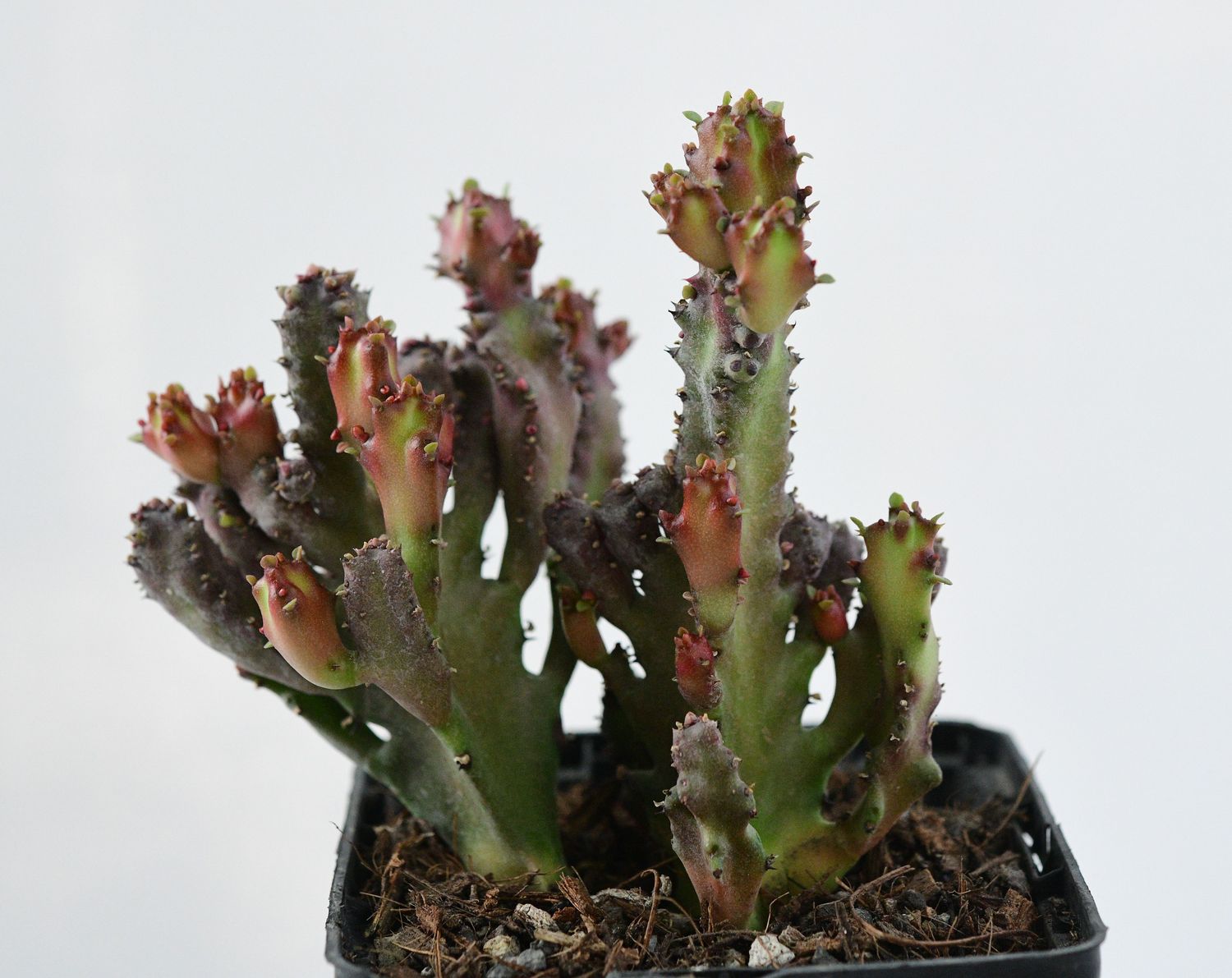
Euphorbia lactea crest rubra monstrose
Product Details
Sculptural Sunset: Euphorbia lactea f. cristata 'Rubra'
A dramatic, fan-shaped architectural statement featuring a rare mutation of deep beetroot and emerald hues.
- Origin & History of Name: The genus Euphorbia honors Euphorbus, the Greek physician to King Juba II.
The specific epithet lactea is Latin for "milky," referring to the white sap. "Crest" (cristata) denotes the fan-like growth mutation, while "Rubra" highlights the red pigmentation. "Monstrose" refers to the chaotic, asymmetrical growth habit caused by multiple growing points. - Morphology: This plant exhibits a cristate (crested) growth form, where the apical meristem grows in a line rather than a point, creating a wavy, fan-like structure.
The epidermis features striking variegation, transitioning from silver-green to deep red/magenta along the edges. It possesses small, vestigial spines along the undulating costae (ribs) of the crest. - Habitat & Origin: This is a specialized cultivar. While the base species Euphorbia lactea is native to tropical Asia (including India and Sri Lanka), this specific "Rubra" crested form is the result of horticultural selection and greenhouse mutation.
Our specimens are propagated via grafting or cuttings, ensuring no wild harvesting and maintaining genetic consistency. - Cultivation Profile:
- Substrate: Use a highly porous mineral-based mix (60% cinder or crushed brick, 40% organic compost). Excellent drainage is vital for crested forms to prevent core rot.
- Light: Prefers bright, filtered sunlight. In the Indian subcontinent, avoid direct mid-day sun which can bleach the "Rubra" pigment; 3-4 hours of morning sun is ideal.
- Water/Dormancy: Water thoroughly only when the medium is 100% dry. During the monsoon, keep indoors or under a rain shelter. Reduce water significantly in winter to induce a rest period.
- Scientific/Historical Anecdote: The crested mutation is a rare biological phenomenon called fasciation. While it occurs naturally in the wild due to hormonal imbalances or bacterial infections, in Euphorbia lactea, it has been stabilized by breeders over decades. Interestingly, because these crested forms often lack a strong root system of their own, they are frequently seen "grafted" onto the hardy Euphorbia neriifolia (Common Spurge) to increase their growth rate and resilience.
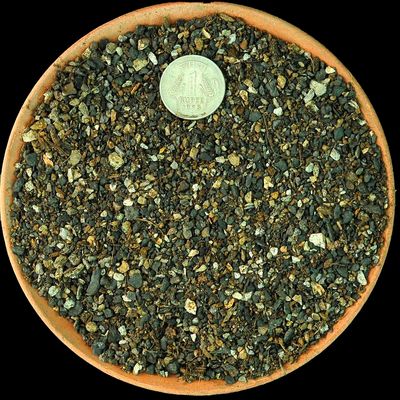
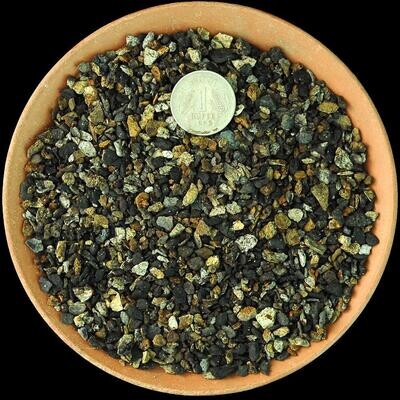
Cactus & Succulent Planting Mix COARSE (aka Cactus Soil Mix or Succulent Soil Mix)
Cactus & Succulent Planting Mix COARSE (aka Cactus Soil Mix or Succulent Soil Mix)
Washed, Free-Draining Mineral Mix for Cactus & Succulents
SKU MNS003
₹44.85
New
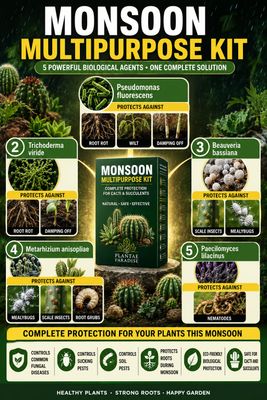
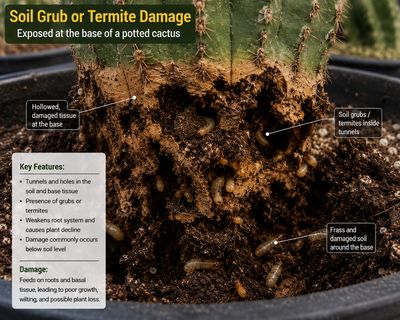
Monsoon Guardian Kit (5 in 1)
Monsoon Guardian Kit (5 in 1)
Complete 5-in-1 biological protection kit for cacti & succulents
SKU MNS024
₹850.00

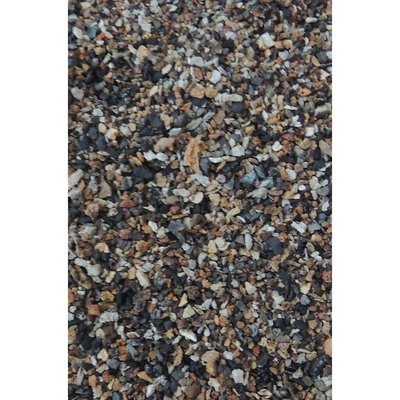
Cactus & Succulent Planting Mix FINE (aka Cactus Soil Mix or Succulent Soil Mix)
Cactus & Succulent Planting Mix FINE (aka Cactus Soil Mix or Succulent Soil Mix)
Fine-Grain Potting Mix for Cactus & Succulent Roots
SKU MNS001
₹39.85