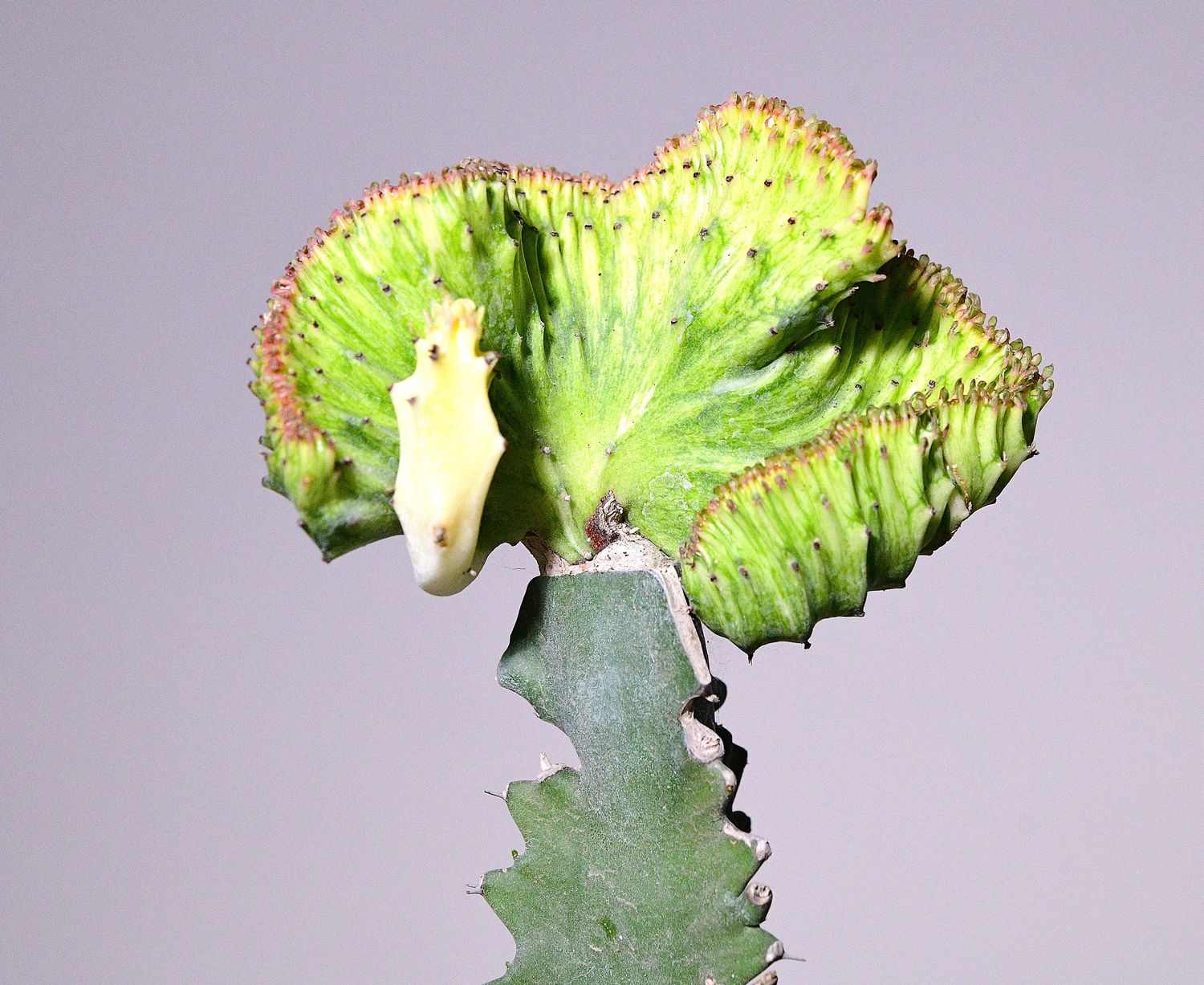
Sculptural, sunset-hued coral atop a spiny green pedestal — this crested and variegated Euphorbia lactea is equal parts alien artwork and living jewel, prized by collectors for its wavy, marbled fan and its refusal to look like anything else in your garden.
1. Origin of Name
Euphorbia honors Euphorbus, physician to King Juba II of Numidia in the 1st century BC, who is said to have used the milky sap of a North African spurge medicinally; the Roman naturalist Pliny the Elder later recorded the genus name in his tribute. Lactea is Latin for "milky," a direct nod to the thick white latex that oozes from any wound or cut — a trait shared across the entire genus, but especially pronounced here. The form you're looking at is the cristata (Latin for "crested") mutation, layered with variegata to denote the loss of uniform green pigment in favor of yellow, cream, and coral tones. Crested Euphorbia lactea carries a long list of nursery nicknames — Coral Cactus, Dragon Bone Cactus, Elkhorn, Frilled Fan, and Brain Cactus — each one a plain-language attempt to describe the same strange, folded silhouette.
2. Origin of Plant
The straight (non-crested) species is native to tropical and subtropical Asia — India, Sri Lanka, and parts of Southeast Asia — where it grows as a large, spiny, candelabra-shaped shrub or small tree in dry scrub and rocky, well-drained terrain, sometimes reaching 6–10 feet in the wild. The crested and variegated forms you see in cultivation, however, are not found in nature at all. They arose as spontaneous mutations (a phenomenon called fasciation, where the growing tip loses its normal directional growth and fans out sideways instead) and were selected, propagated, and stabilized by nurseries — most notably by growers across Thailand, Taiwan, and other parts of Asia from the mid-20th century onward, who prized the odd, coral-like form enough to keep grafting it forward indefinitely.
3. Description
This specimen is a study in contrast: a rigid, blue-green, four-to-five-angled rootstock, armed with short paired spines along each rib, rises straight up like a miniature totem pole — and then, without warning, erupts into a broad, undulating crest. The crest itself folds and ripples like a piece of coral or a cabbage-rose in slow motion, its surface streaked in butter-yellow and moss-green marbling, edged in a fine line of coral-orange, and dotted along every ridge with small dark spine clusters that read almost like stitching. No two crests fold the same way twice, which is part of the appeal — each plant is a genuine one-of-one. Being a euphorbia rather than a true cactus, it will occasionally produce small, inconspicuous cyathia (cup-like flower clusters) rather than true petaled blooms, though flowering on crested variegated forms is rare and not the plant's main draw.
4. Conservation Status
The wild species, Euphorbia lactea, is not currently listed as threatened and is considered common and widespread across its native range, and is even naturalized/invasive in parts of Florida and other tropical regions outside Asia. The crested variegated form you're purchasing exists only in cultivation — it has no wild population to conserve, since it's a nursery-selected mutation kept alive purely through grafting.
5. Care
- Light: Bright, filtered light to gentle morning sun. The variegated tissue has reduced chlorophyll, so it's more prone to sunburn than an all-green euphorbia — protect it from harsh, direct afternoon sun, especially in summer.
- Water: Water thoroughly, then let the soil dry out completely before watering again. Cut back significantly in winter — soggy roots or a wet graft union are the fastest way to lose this plant.
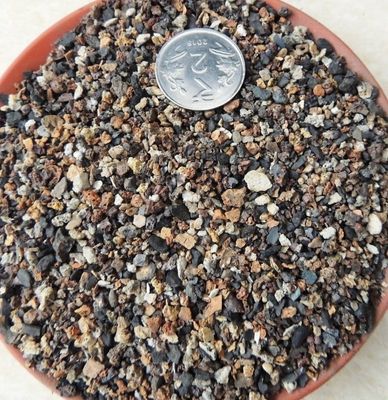
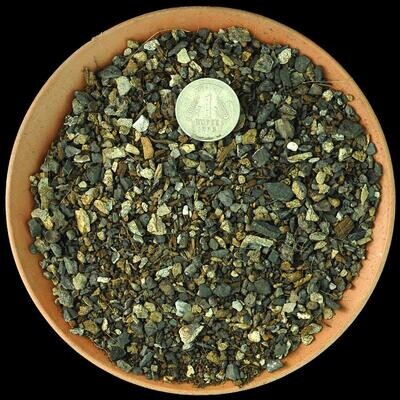
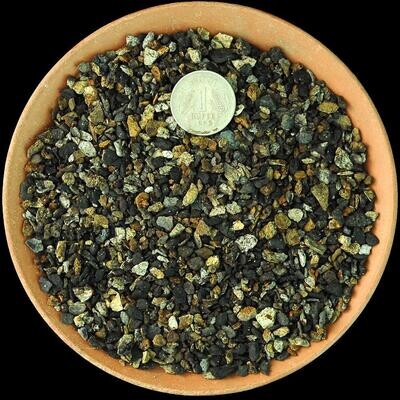
- Soil: A fast-draining, gritty cactus/succulent mix is essential. Add pumice or coarse sand if your mix holds moisture.
- Temperature: Keep above 50°F (10°C); this is a tropical plant with no frost tolerance. Bring indoors well before the first cold snap.
- Other tips: Because it's grafted, keep an eye on the graft union — it should stay dry and firm. Watch for green "reversion" shoots growing straight up from the crest (a return to the plant's normal, unfasciated growth); prune these off close to the crest to keep the plant's energy focused on the fan. Always wear gloves when handling or pruning — the sap is a skin and eye irritant.
A Story Worth Telling
Because crested and variegated Euphorbia lactea can't be grown reliably from seed or cuttings on their own roots, essentially every plant like this one exists only because a grower, at some point, sliced a sliver of crest tissue and grafted it onto a hardier rootstock by hand — a technique adapted from centuries-old fruit-tree grafting practice and repurposed for succulents sometime in the 20th century. Every crested Euphorbia lactea in the world today is, in a very real sense, a cutting descended from someone's careful, deliberate act of horticultural surgery — making each one less a "wild plant" and more a small piece of living craftsmanship passed down grower to grower.