Origin of Name:
The genus Euphorbia is named after the Greek physician Euphorbus, renowned for medicinal uses of the plant’s milky sap. The species name lenewtonii honors Sir David Le-ne-Wton, an esteemed botanist and plant collector who contributed to the discovery and documentation of succulents in southern Africa. This dedication highlights both the plant’s botanical significance and its historical ties to exploration and scientific study.
Origin of Plant:
Native to southern Namibia and northern South Africa, Euphorbia lenewtonii thrives in rocky, arid environments where water scarcity and high temperatures are the norm. It commonly grows on rocky slopes, cliff faces, and dry, gravelly soils, often basking in full sun with minimal soil nutrients. Its natural habitat is characterized by extreme drought, strong sun exposure, and well-drained terrain, which has shaped its adaptation to survive in harsh desert conditions.
Description:
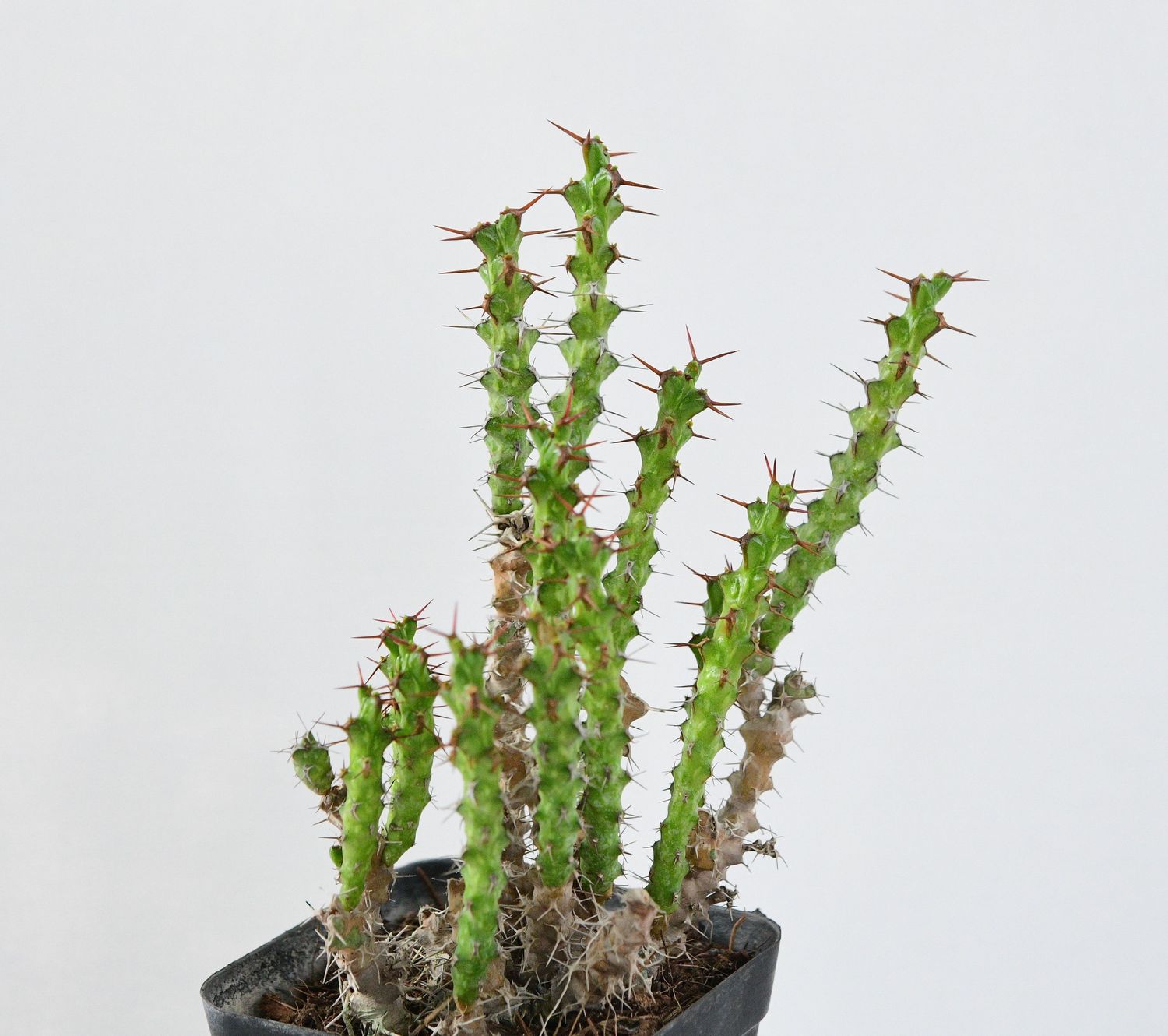
Euphorbia lenewtonii is a striking, compact succulent with a dense, shrub-like form. Its stems are thick, with a somewhat branching habit, covered densely with soft, fine spines and white, powdery bloom—a waxy coating that helps reduce water loss and reflect sunlight. This plant produces attractive, bright yellow flowers that emerge at the tips of its branches, adding a splash of color against its silvery-green or bluish-gray body. Its overall appearance resembles a miniature, thorny bush or cluster of rounded, spiny cylinders, creating a captivating, textured silhouette that accentuates its resilience and beauty.
Conservation Status:
Currently, Euphorbia lenewtonii is not considered endangered; however, it is a rare find in the wild due to habitat disturbance and illegal collection. Promoting its cultivation in nurseries and responsible propagation helps conserve the species and reduces pressure on wild populations.
Care:
This hardy succulent is easy to grow with proper conditions:
- Watering: Very little water is needed. Allow the soil to dry completely between watering, and avoid watering in winter.
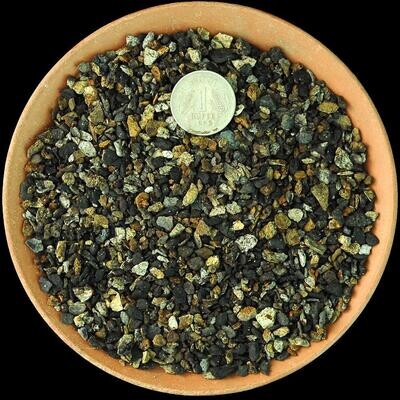
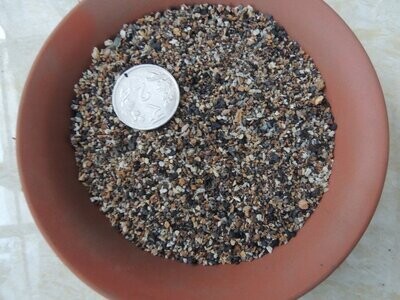
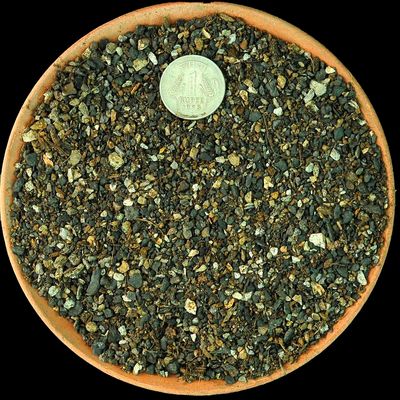
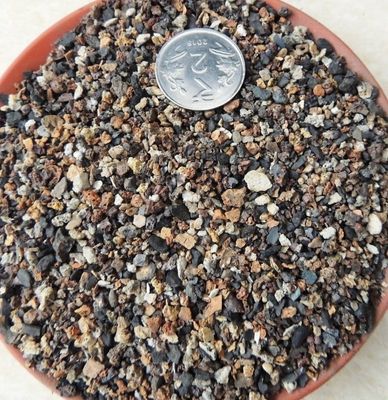
- Soil: Use a fast-draining cactus or succulent mix, enriched with coarse sand or gravel to replicate its desert environment.
- Light: Prefers full sun for vibrant color and healthy growth; indirect or partial shade can be tolerated but may reduce flowering.
An Interesting Historical Anecdote:
In the rugged deserts of Namibia, Euphorbia lenewtonii is revered by local communities as a symbol of resilience and protection. Its thick, spiny stems and waxy coating are believed to ward off evil spirits, and traditional uses of its sap have included medicinal applications for skin ailments. Collectors and botanists often describe this plant as a “Miniature Fortress,” embodying strength and adaptability. Its survival story inspires many, symbolizing the tenacity of desert life, where even the most delicate-looking plants possess immense strength and enduring beauty amidst extreme hardship.