

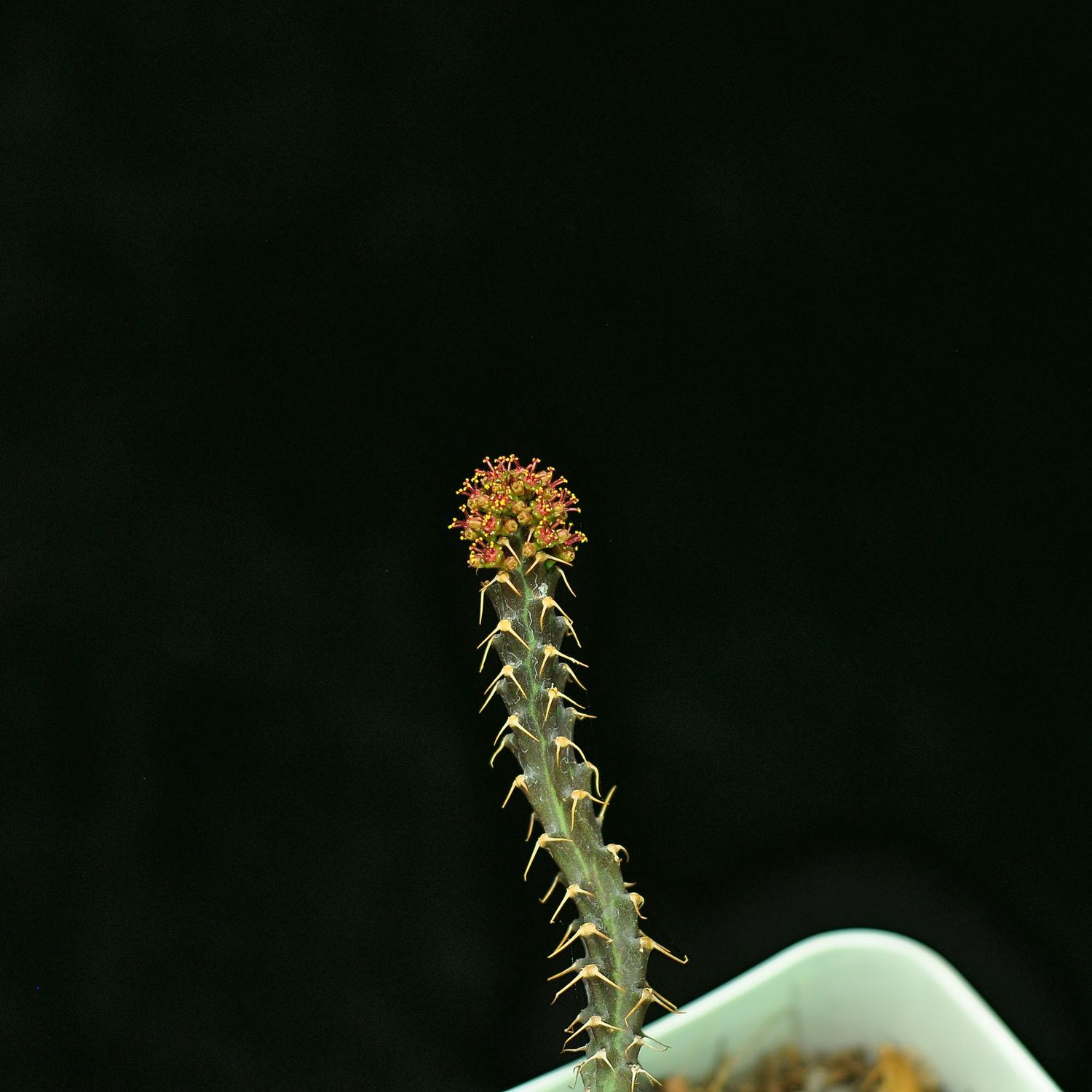
Euphorbia micrantha
Product Details
Minimalist Marvel: Euphorbia micrantha
A subtle geometric treasure for the connoisseur of rare, small-scale botanical architecture.
- Origin & History of Name: The genus Euphorbia was named by King Juba II of Numidia in honor of his Greek physician, Euphorbus, who used the plant's caustic latex for medicinal purposes. The specific epithet micrantha combines the Greek mikros (small) and anthos (flower), directly referencing the diminutive size of the plant's reproductive structures.
- Morphology: This species is characterized by a compact, often globose or cylindrical caudex that serves as a water reservoir.
It features distinct podaria (tubercular bases) from which small, deciduous leaves may emerge. Unlike many succulent Euphorbias, it lacks prominent costae (ribs), instead displaying a textured epidermis. Its cyathia—the specialized false flowers unique to this genus—are exceptionally small and greenish-yellow, appearing at the plant's apex. - Habitat & Origin: This is a wild species native to the subtropical regions of Southern Africa. It is found primarily in rocky outcrops and sandy plains where it remains partially submerged in the soil to survive extreme heat. Our stock is exclusively nursery-propagated via seed to support conservation and discourage the illegal poaching of wild succulents.
- Cultivation Profile:
- Substrate: Requires a highly porous, mineral-heavy mix (80% coarse sand/lava rock/perlite, 20% compost). Ensure excellent drainage to withstand the Indian monsoon.
- Light: Thrives in bright filtered light or morning sun. In the Indian subcontinent, protect from harsh afternoon sun (12 PM – 4 PM) to avoid tissue scarring.
- Water/Dormancy: Water sparingly during the summer growing season. Maintain strict dryness during the winter dormancy and peak monsoon months when high humidity reduces the plant's moisture requirements.
- Scientific/Historical Anecdote: The genus Euphorbia is famous for its "convergent evolution," where species like E. micrantha have evolved to look remarkably like Cactaceae despite being unrelated.
This is a survival strategy developed independently across continents to cope with arid environments. A key distinction remains the toxic, milky white latex found in Euphorbias, which serves as a potent chemical defense against herbivores.

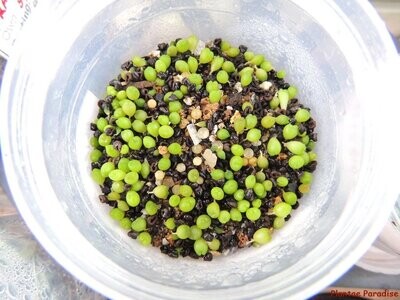
Cactus Seed Planting Mix
Cactus Seed Planting Mix
Sterile, Fine-Grain Media for Cactus & Succulent Seeds
SKU MNS005
₹74.85
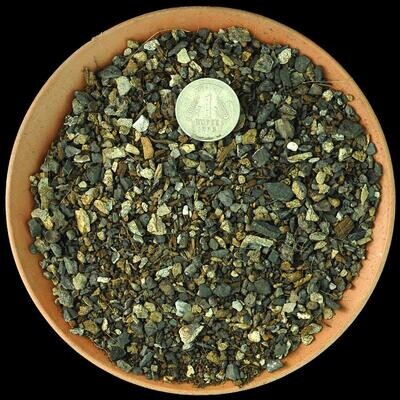
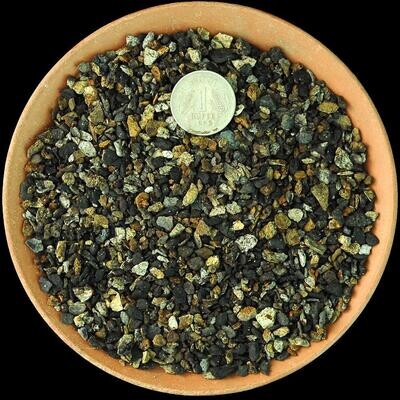
Cactus & Succulent Planting Mix COARSE (aka Cactus Soil Mix or Succulent Soil Mix)
Cactus & Succulent Planting Mix COARSE (aka Cactus Soil Mix or Succulent Soil Mix)
Washed, Free-Draining Mineral Mix for Cactus & Succulents
SKU MNS003
₹44.85
New
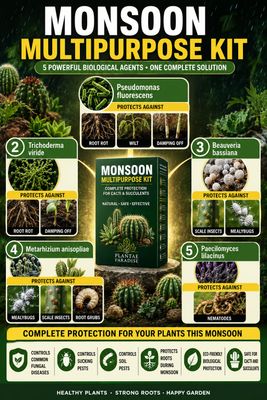
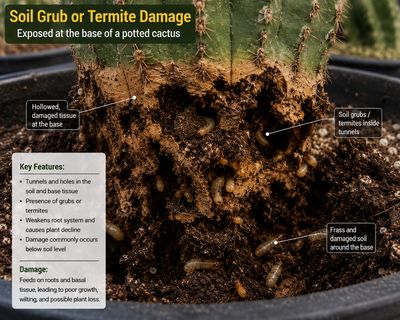
Monsoon Guardian Kit (5 in 1)
Monsoon Guardian Kit (5 in 1)
Complete 5-in-1 biological protection kit for cacti & succulents
SKU MNS024
₹850.00