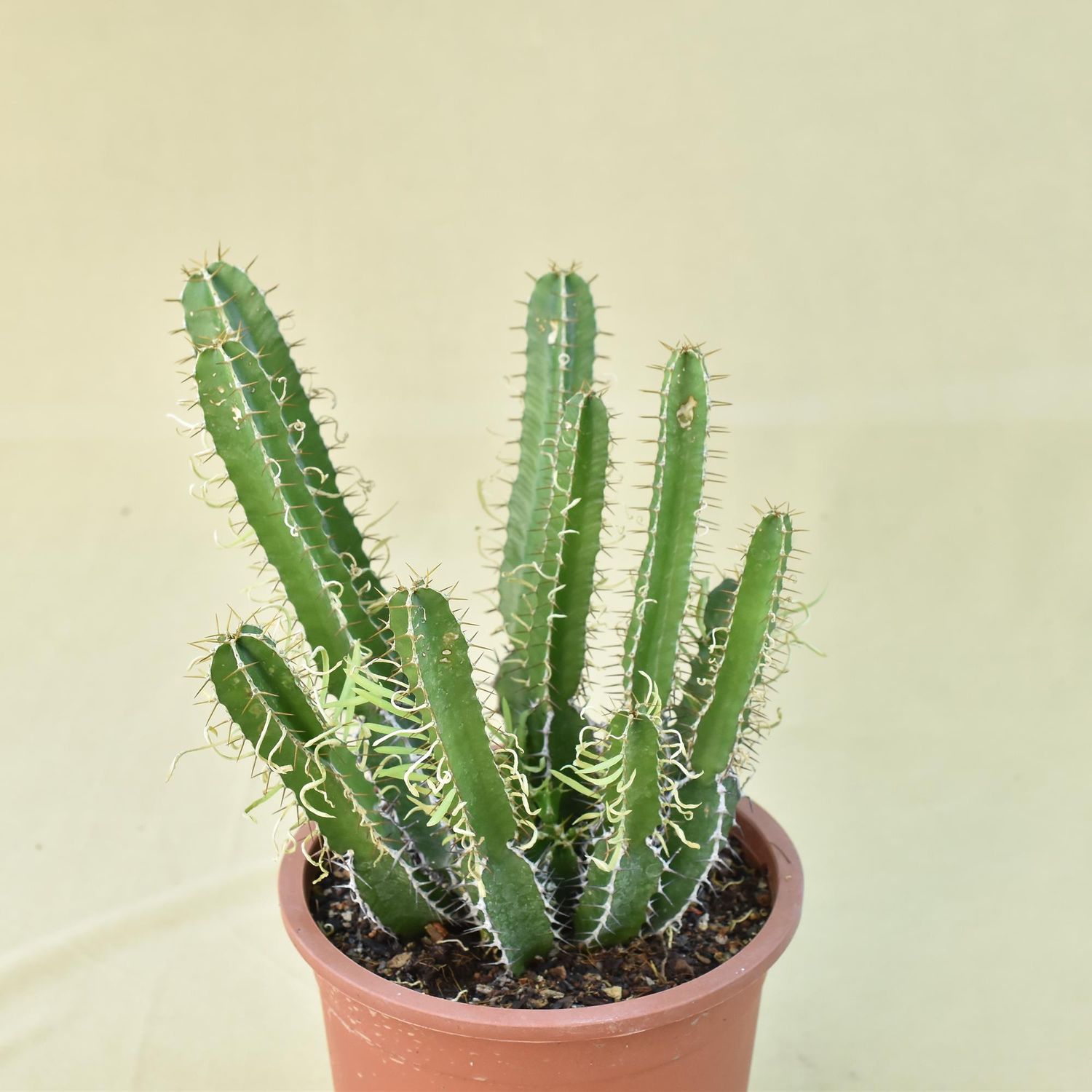
Euphorbia mlanjeana
Product Details
Montane Treasure: Euphorbia mlanjeana
A highly coveted caudiciform rarity, this species is prized for its intricate, medusoid branching and weathered, ancient appearance.
- Origin & History of Name: The genus name Euphorbia honors Euphorbus, the Greek physician to King Juba II of Numidia, who famously used the plant's caustic latex for medicinal purposes.
- Morphology: Euphorbia mlanjeana is a dwarf succulent characterized by a thick, subterranean or partially exposed caudex (woody water-storage organ).
- Habitat & Origin: This is a wild species endemic to the high-altitude rocky grasslands and granite outcrops of the Mulanje Massif in southeastern Malawi.
- Cultivation Profile:
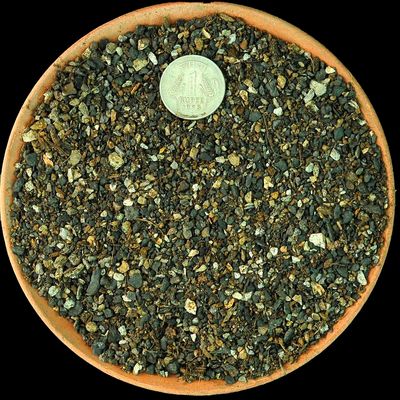
- Substrate: Requires a strictly gritty, mineral-based mix (70% crushed gravel, coarse sand, or scoria). Avoid peat-heavy soils, as the caudex is highly susceptible to rot in stagnant moisture.
- Light: Thrives in bright, indirect light or filtered morning sun. In the Indian subcontinent, protect from harsh afternoon sun during the peak summer months to prevent epidermal scorching.
- Water/Dormancy: Water sparingly during the active growing season (April–September). As temperatures drop in the Indian winter, the plant enters seasonal dormancy; water must be restricted to a light monthly splash to prevent the roots from completely desiccating while avoiding rot.
- Scientific/Historical Anecdote: Euphorbia mlanjeana is part of a specialized group of "medusoid" Euphorbias, named after the Gorgon Medusa of Greek mythology because of the serpent-like appearance of their branches. Scientifically, the plant's white, milky latex contains complex terpenes that serve as a potent chemical defense against herbivores, a biological trait that has allowed the genus to thrive for millions of years across diverse ecosystems.
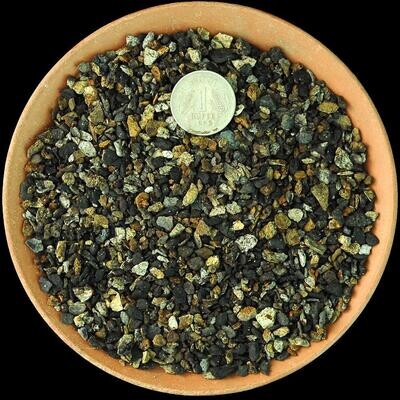
Cactus & Succulent Planting Mix COARSE (aka Cactus Soil Mix or Succulent Soil Mix)
Cactus & Succulent Planting Mix COARSE (aka Cactus Soil Mix or Succulent Soil Mix)
Washed, Free-Draining Mineral Mix for Cactus & Succulents
SKU MNS003
₹40.51
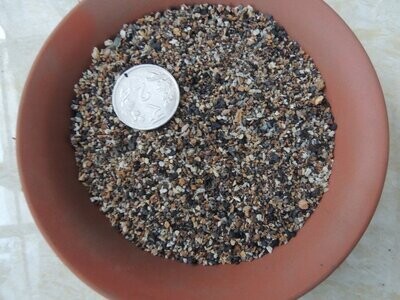
Cactus Seed Planting Mix
Cactus Seed Planting Mix
Sterile, Fine-Grain Media for Cactus & Succulent Seeds
SKU MNS005
₹70.51
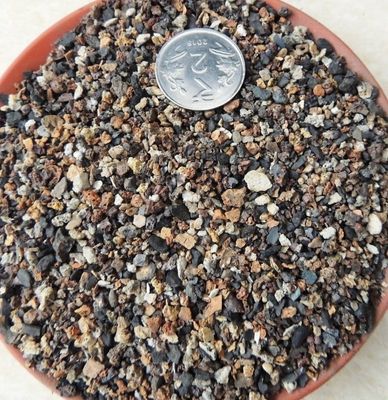
Cactus & Succulent Planting Mix FINE (aka Cactus Soil Mix or Succulent Soil Mix)
Cactus & Succulent Planting Mix FINE (aka Cactus Soil Mix or Succulent Soil Mix)
Fine-Grain Potting Mix for Cactus & Succulent Roots
SKU MNS001
₹35.51