The Living Baseball: Euphorbia obesa
A highly coveted, spineless succulent masterpiece prized by collectors for its perfectly spherical symmetry and intricate, fabric-like geometric patterns.
1. Origin & History of Name The genus Euphorbia was named by King Juba II of Numidia (circa 50 BC – 23 AD) in honor of his Greek physician, Euphorbus, who purportedly used the plants' potent latex for medicinal purposes.
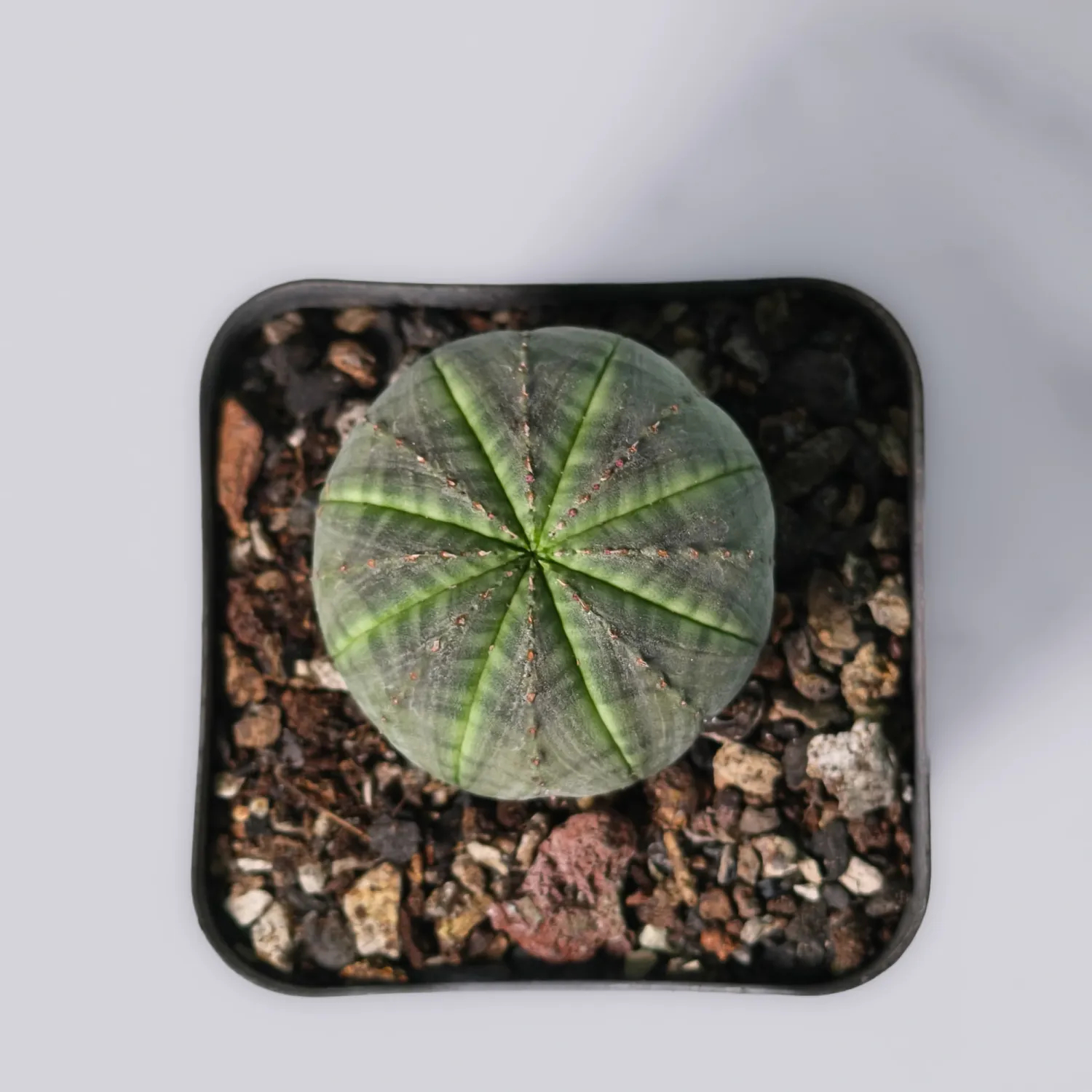
2. Morphology This species is renowned for its architectural simplicity, forming a solitary, subglobose stem that may become cylindrical with age.
3. Habitat & Origin Euphorbia obesa is a wild species endemic to a small region near Graaff-Reinet in the Great Karoo, South Africa. Due to over-collection, it is endangered in its natural habitat and protected under CITES.
4. Cultivation Profile (Indian Context)
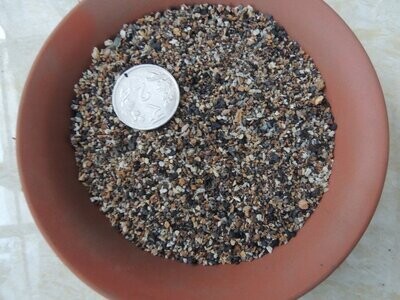
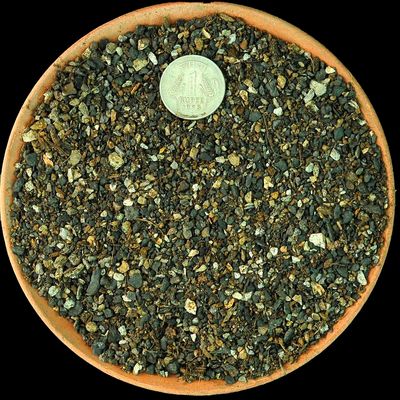
- Substrate: Requires a highly porous, mineral-heavy mix to prevent root rot in humid Indian monsoons. Use 70% inorganic material (pumice, perlite, or gravel) mixed with 30% cactus compost.
- Light: Thrives in bright, indirect sunlight. In India, provide morning sun but use shade cloth or filtered light during the harsh afternoon heat (12 PM–4 PM) to prevent scorching.
- Water & Dormancy: Water thoroughly only when the substrate is bone dry. Reduce watering significantly during the Indian winter (November–February) when the plant enters dormancy; maintain good airflow during the monsoon season.
5. Scientific Anecdote Euphorbia obesa is a classic example of convergent evolution.