

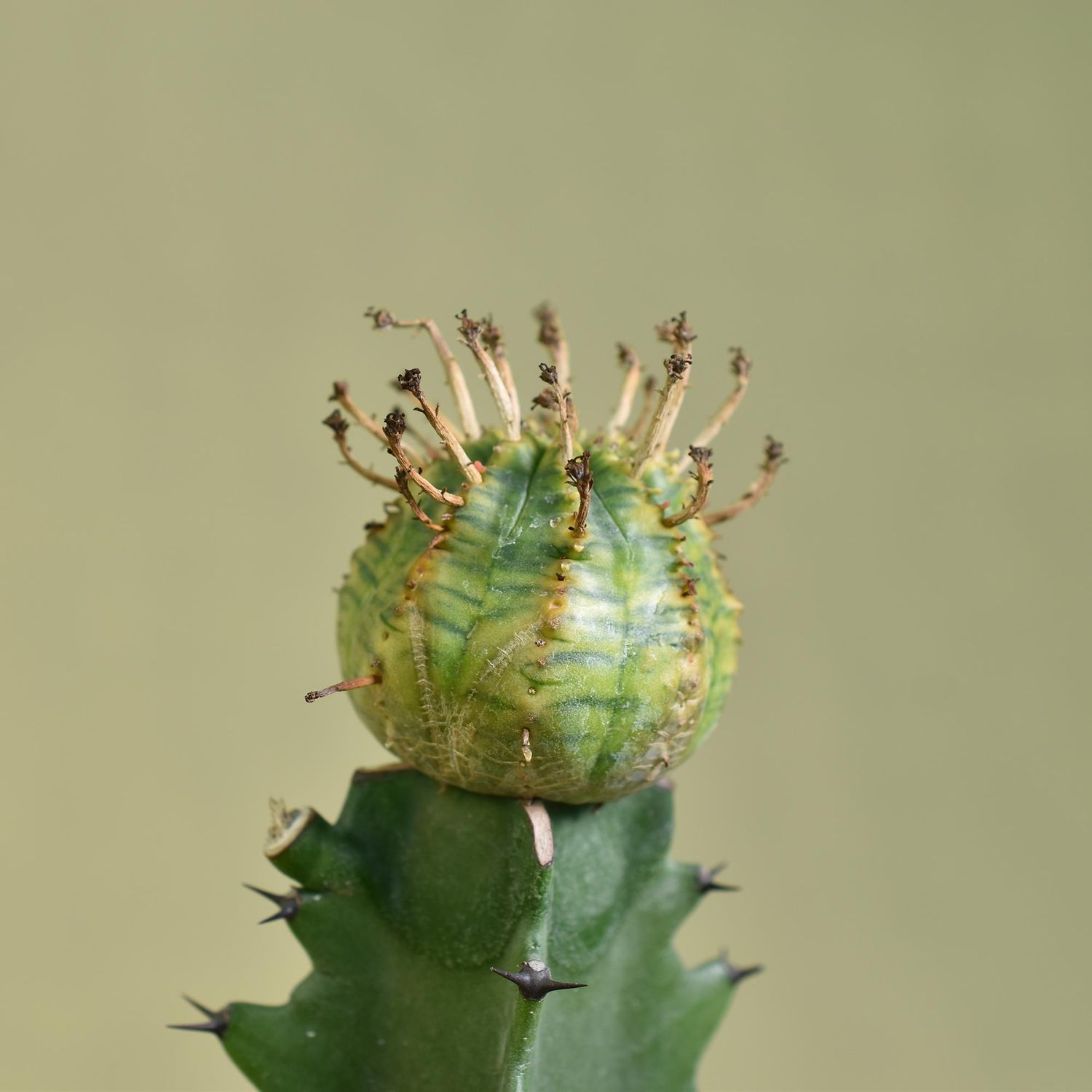
Euphorbia obesa hybrid variegated
Product Details
Rare Marbled Marvel: Euphorbia obesa Hybrid Variegated
A high-contrast, living sculpture that combines the iconic "Baseball Plant" geometry with unpredictable splashes of cream and gold.
- Origin & History of Name: The genus name Euphorbia honors Euphorbus, the Greek physician to King Juba II of Numidia, who reportedly used the sap for medicinal purposes.
- Morphology: This succulent is characterized by a globose (spherical) epidermis that becomes cylindrical with age.
- Habitat & Origin: This plant is a cultivar and does not exist in the wild. While the parent species, Euphorbia obesa, is endemic to the Great Karoo region of South Africa, this variegated hybrid is the result of selective greenhouse breeding, primarily in Asia and Europe. Our specimens are nursery-grown via sustainable vegetative propagation or controlled pollination to protect wild populations, which are CITES-listed.
- Cultivation Profile:
- Substrate: Use a strictly mineral-based mix (70% inorganic). Combine coarse sand, perlite, and crushed leca or pumice to ensure rapid drainage, which is vital in humid Indian climates.
- Light: Requires bright, indirect sunlight. In India, a south-facing balcony with a thin green shade net (35-50%) is ideal to prevent sun-scorch on the sensitive variegated tissue.
- Water/Dormancy: Water deeply when the medium is bone-dry during the summer. Observe strict winter dormancy (November–February); withhold water entirely during these months to prevent root rot during the cooler, shorter days.
- Scientific/Historical Anecdote: Despite its abundance in global collections today, Euphorbia obesa was once driven to the brink of extinction in its native habitat due to over-collection following its discovery in 1897.
New
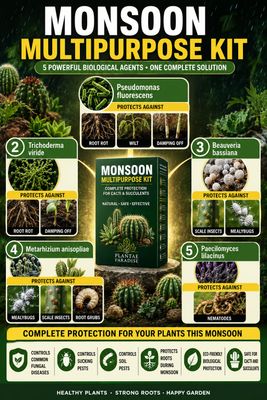
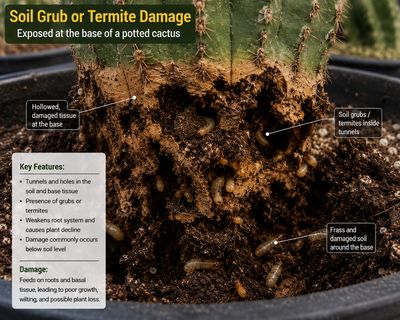
Monsoon Guardian Kit (5 in 1)
Monsoon Guardian Kit (5 in 1)
Complete 5-in-1 biological protection kit for cacti & succulents
SKU MNS024
₹850.00
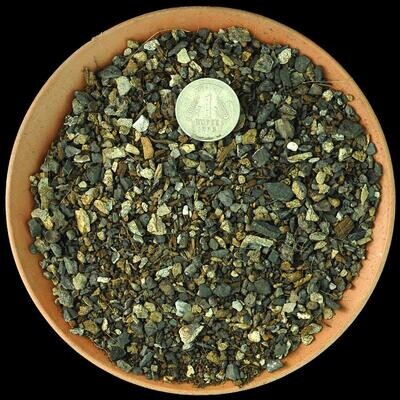
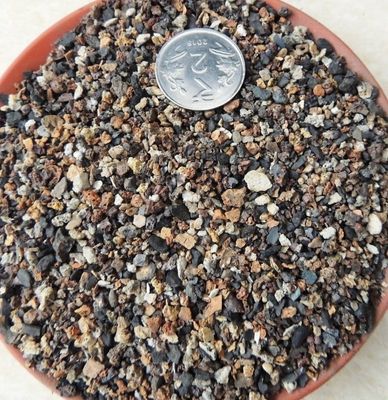
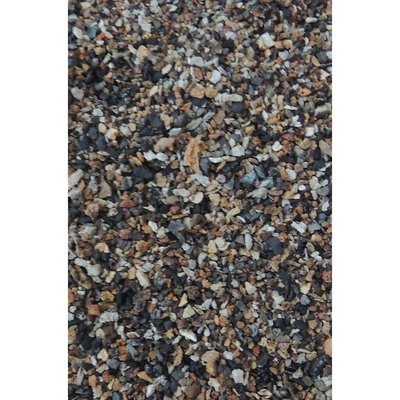
Cactus & Succulent Planting Mix FINE (aka Cactus Soil Mix or Succulent Soil Mix)
Cactus & Succulent Planting Mix FINE (aka Cactus Soil Mix or Succulent Soil Mix)
Fine-Grain Potting Mix for Cactus & Succulent Roots
SKU MNS001
₹39.85
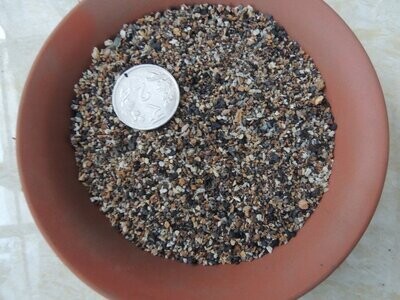
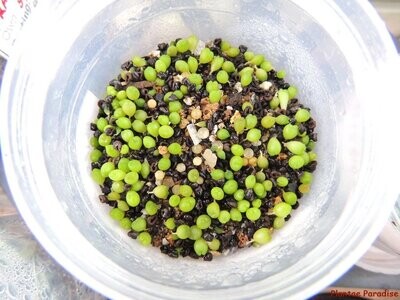
Cactus Seed Planting Mix
Cactus Seed Planting Mix
Sterile, Fine-Grain Media for Cactus & Succulent Seeds
SKU MNS005
₹74.85