

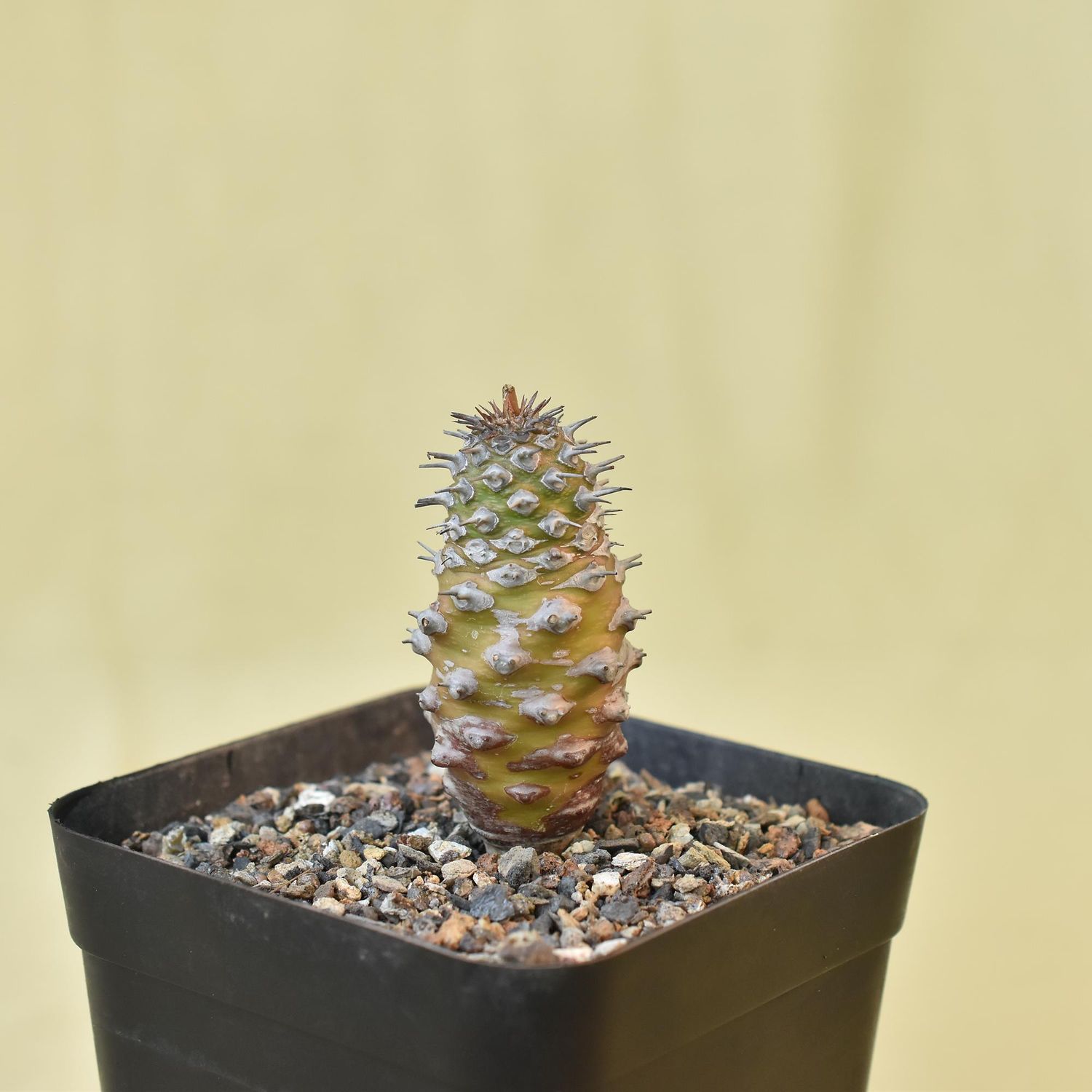
Euphorbia pachypodioides
Product Details
Rare Madagascar Jewel: Euphorbia pachypodioides
A coveted architectural gem from Madagascar, prized for its silver-sheathed trunk and crown of vibrant foliage.
- Origin & History of Name: The genus name Euphorbia honors Euphorbus, the Greek physician to King Juba II of Numidia, who reportedly used the milky sap of these plants for medicinal purposes.
- Morphology: This slow-growing succulent features a globose to cylindrical epidermis covered in prominent, spiraled tubercles (bumps) left by fallen leaves. Unlike many succulents, it lacks true costae (ribs), instead presenting a textured surface that serves as a water-storage organ. Its apex produces a rosette of lanceolate leaves, often featuring a subtle red-to-purple pigmentation on the undersides.
- Habitat & Origin: This is a wild species endemic to the Tsingy de Bemaraha region of western Madagascar.
- Cultivation Profile:
- Substrate: Use a highly porous, mineral-based mix (60% pumice, perlite, or crushed brick; 40% coarse sand or grit) to prevent root rot. Avoid standard garden soil.
- Light: High-intensity light is required. In the Indian subcontinent, provide bright indirect sunlight or morning sun; protect from the harsh midday sun in peak summer (April–June) to prevent epidermal scorching.
- Water/Dormancy: Water deeply when the substrate is completely dry during the growing season. During the monsoon and winter, significantly reduce watering as the plant enters dormancy and may drop its leaves.
- Scientific/Historical Anecdote: Euphorbia pachypodioides is a classic example of convergent evolution. Although it looks nearly identical to a small Pachypodium, it is evolutionarily distinct. The easiest way to tell the difference is by its "cyathia"—the unique false flowers of the Euphorbia genus—which lack the traditional petals found on the more distantly related Pachypodium (Apocynaceae family).

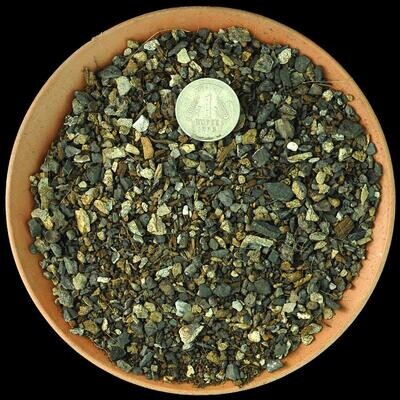
Cactus & Succulent Planting Mix COARSE (aka Cactus Soil Mix or Succulent Soil Mix)
Cactus & Succulent Planting Mix COARSE (aka Cactus Soil Mix or Succulent Soil Mix)
Washed, Free-Draining Mineral Mix for Cactus & Succulents
SKU MNS003
₹44.85
New
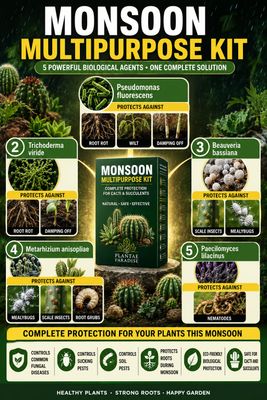
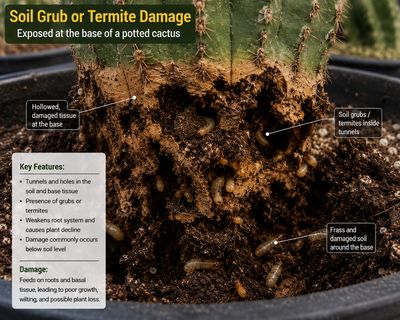
Monsoon Guardian Kit (5 in 1)
Monsoon Guardian Kit (5 in 1)
Complete 5-in-1 biological protection kit for cacti & succulents
SKU MNS024
₹850.00

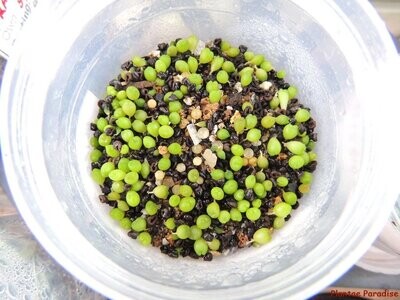
Cactus Seed Planting Mix
Cactus Seed Planting Mix
Sterile, Fine-Grain Media for Cactus & Succulent Seeds
SKU MNS005
₹74.85