Euphorbia philipsoides S.Carter
Product Details
Architectural Marvel: Euphorbia philipsoides S.Carter
A high-coveted Somali treasure, this sculptural succulent is a definitive centerpiece for the discerning specialist collector.
- Origin & History of Name: The species was formally described by British botanist Susan Carter (S. Carter) in 1987. The specific epithet philipsoides honors the collector and botanist P.E. Phillips, combined with the Latin suffix -oides (resembling), noting its morphological similarity to other members of the Euphorbia genus while maintaining its distinct taxonomic identity.
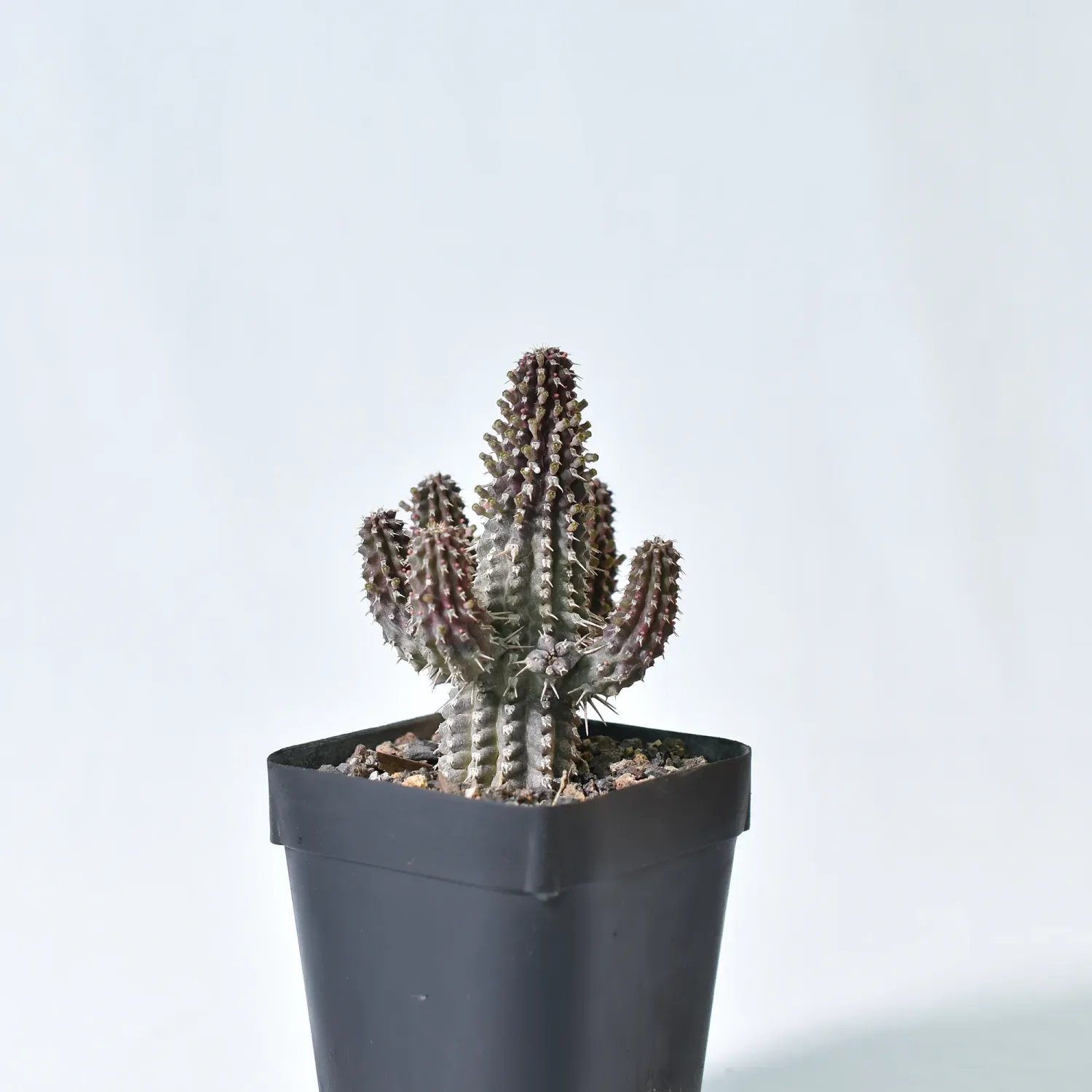
- Morphology: This succulent is characterized by its compact, globose to cylindrical growth habit. It features prominent costae (ribs) adorned with distinct podaria (tubercular bases for spines). The epidermis often exhibits a grey-green to glaucous hue, providing a stark backdrop for its specialized spine shields which form a decorative, vertical armor.
- Habitat & Origin: This is a wild species endemic to the rugged, arid limestone plateaus of northeastern Somalia.
- Cultivation Profile:
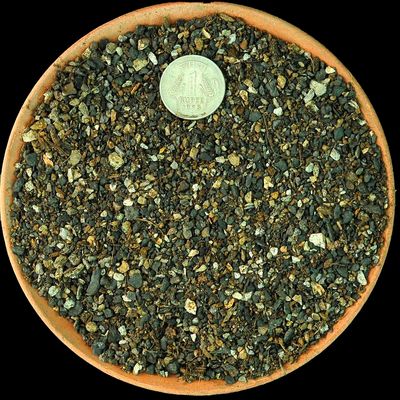
- Substrate: Use a strictly mineral-based mix (70% grit/pumice/perlite, 30% organic matter) to prevent root rot in humid Indian climates.
- Light: Requires bright, filtered sunlight. In South Asia, provide 40-50% shade during peak summer afternoons to prevent epidermal scorching.
- Water/Dormancy: Water deeply only when the medium is completely dry. In the Indian monsoon, maintain near-total dryness to avoid fungal issues; reduce watering significantly during the cooler winter dormancy.
- Scientific/Historical Anecdote: The author of the species, Susan Carter, is a legendary figure in succulent botany who described over 200 species.
New
Monsoon Guardian Kit (5 in 1)
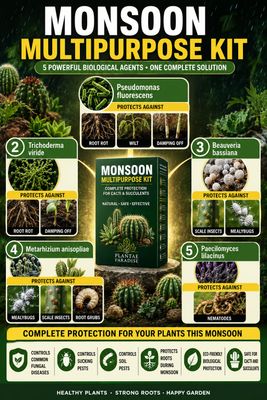
Monsoon Guardian Kit (5 in 1)
Complete 5-in-1 biological protection kit for cacti & succulents
SKU MNS024
₹850.00
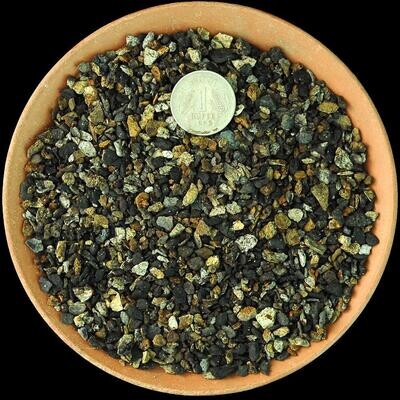
Cactus & Succulent Planting Mix COARSE (aka Cactus Soil Mix or Succulent Soil Mix)
Cactus & Succulent Planting Mix COARSE (aka Cactus Soil Mix or Succulent Soil Mix)
Washed, Free-Draining Mineral Mix for Cactus & Succulents
SKU MNS003
₹44.85

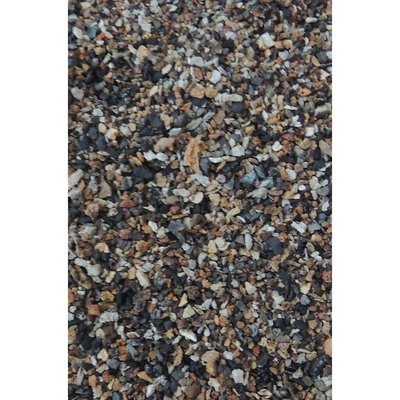
Cactus & Succulent Planting Mix FINE (aka Cactus Soil Mix or Succulent Soil Mix)
Cactus & Succulent Planting Mix FINE (aka Cactus Soil Mix or Succulent Soil Mix)
Fine-Grain Potting Mix for Cactus & Succulent Roots
SKU MNS001
₹39.85