Uncover a botanical treasure that defies convention with its intricate, sculptural beauty – the Euphorbia phillipsiae. This dwarf succulent shrub, hailing from the rugged landscapes of South Africa, forms dense, coral-like structures, making it an architectural marvel that promises to be a captivating focal point in any discerning collection. Its unique form and fascinating adaptations are a testament to nature's ingenuity, offering a truly distinctive and low-maintenance addition to your plant family.
1. Origin of Name
The genus name, Euphorbia, was established by the revered Swedish botanist Carl Linnaeus in the 18th century. It honors Euphorbus, the Greek physician of King Juba II of Mauretania (1st century BC), who is believed to have used a species of Euphorbia for medicinal purposes. The specific epithet, phillipsiae, pays tribute to Dr. E. P. Phillips (Edwin Percy Phillips, 1884–1967), a distinguished South African botanist. Dr. Phillips was a prolific taxonomist and a pivotal figure in the study of Southern African flora, holding significant positions including Chief of the Botanical Survey of South Africa. His contributions to botany were immense, and this species was named in recognition of his dedicated work in exploring and documenting the region's rich plant diversity.
2. Origin of Plant
Euphorbia phillipsiae is endemic to the Eastern Cape Province of South Africa, a region renowned for its diverse and often drought-adapted flora. It thrives in arid and semi-arid environments, typically found growing on rocky hillsides, exposed slopes, and in gravelly soils. Often, it establishes itself in the partial shade provided by larger shrubs or rocks, which offers some protection from the intense African sun. This plant's natural habitat is characterized by periods of extended drought and harsh, dry conditions, to which its succulent, highly branched structure is perfectly adapted. Its discovery and subsequent botanical description emerged from the ongoing systematic surveys of South Africa's unique ecosystems conducted by botanists like Dr. Phillips, revealing the intricate tapestry of life in these challenging landscapes.
3. Description
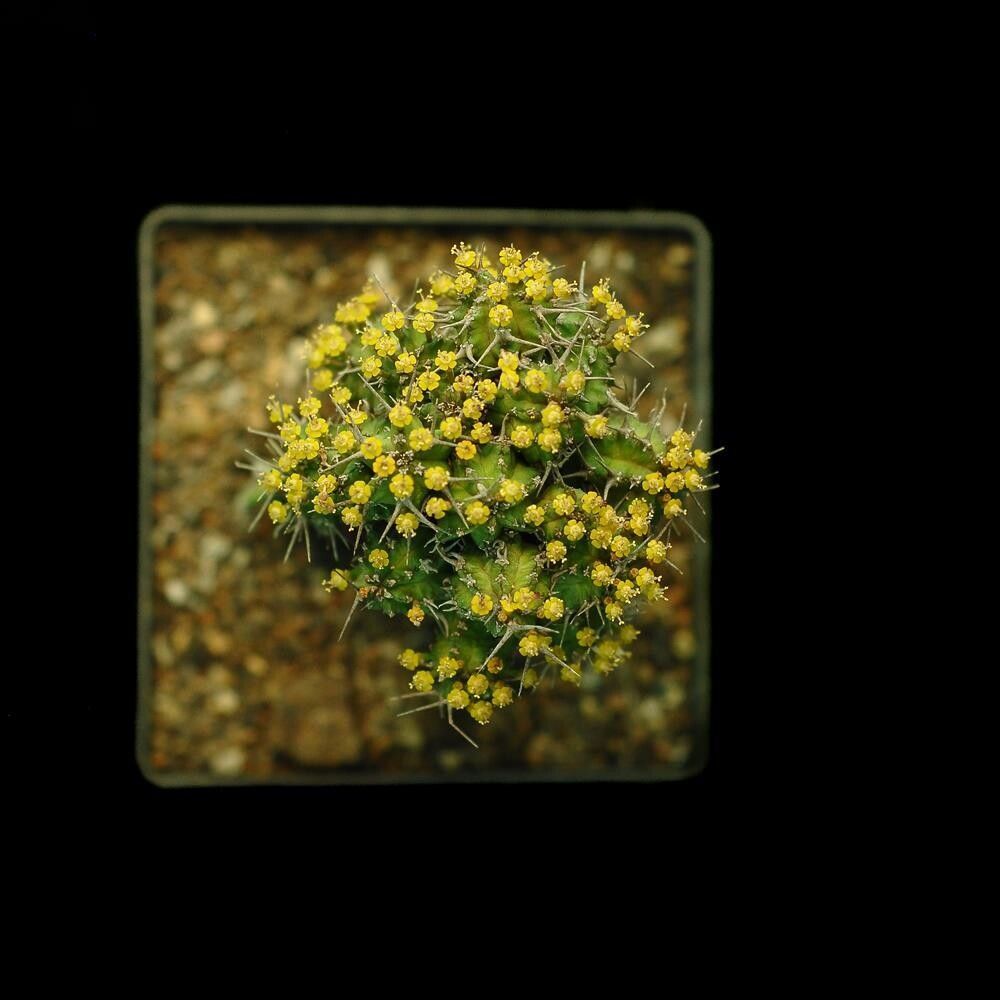
The Euphorbia phillipsiae is a charmingly compact and highly branched dwarf succulent shrub, forming dense, intricate cushions or low mounds that can resemble miniature coral or a tightly woven network of succulent stems. The plant rarely exceeds 15-20 cm (6-8 inches) in height and width, making it an ideal choice for small spaces or detailed arrangements. Its numerous thin, cylindrical stems are segmented and vary in color from vibrant green to a muted brownish-green or purplish-brown, often becoming more intensely colored under stress from strong sunlight or cooler temperatures. The leaves are typically minute and ephemeral, quickly deciduous or virtually absent, with the stems performing the bulk of photosynthesis. From the tips of its branches, the plant produces small, inconspicuous, yellowish-green cyathia (the specialized flower structure characteristic of Euphorbias). While not overtly showy, these delicate blooms add a subtle charm, contrasting with the plant's robust structure. Like many Euphorbia species, it contains a milky white latex which can exude if the plant is broken or cut.
4. Conservation Status
While the genus Euphorbia is vast, Euphorbia phillipsiae is generally considered to be of Least Concern on the IUCN Red List of Threatened Species. It has a relatively wide distribution within its native range in the Eastern Cape, and its populations are currently stable. However, like all species, localized populations can be vulnerable to habitat degradation caused by urbanization, agriculture, and overgrazing. Additionally, illegal collection for the horticultural trade poses a potential threat to wild specimens. Supporting cultivated plants helps reduce pressure on wild populations and promotes the long-term conservation of this unique species.
5. Care
Caring for Euphorbia phillipsiae is straightforward, making it an excellent choice for succulent enthusiasts seeking a distinctive, low-maintenance plant.
- Watering: As a desert-adapted succulent, it requires infrequent watering. Water thoroughly when the soil is completely dry to the touch, then allow it to dry out again before the next watering. Reduce watering significantly in winter or during cooler, dormant periods. Overwatering, particularly in conjunction with poor drainage, is detrimental.
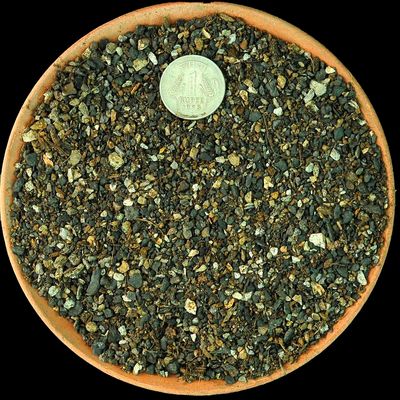
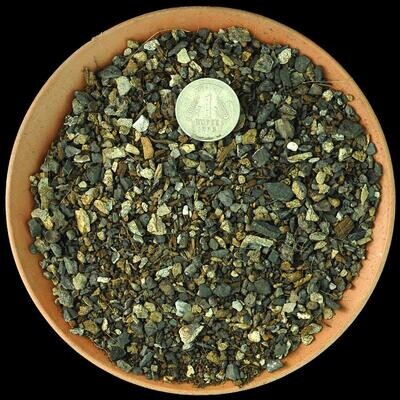
- Soil: Absolutely essential is an extremely well-draining, gritty cactus and succulent mix. A blend with a high proportion of inorganic materials like pumice, perlite, coarse sand, or small gravel (e.g., 70-80% inorganic) is ideal to prevent waterlogging.
- Light: Provide full sun to bright indirect light. It thrives in several hours of direct sunlight daily, which encourages compact growth and can enhance its stem coloration. In very hot climates, some afternoon shade may be beneficial to prevent scorching.
- Temperature: Prefers warm temperatures. It is not frost-tolerant and must be protected from temperatures below 5°C (41°F).
- Tips: Handle with care! The milky white latex contained in its stems can be a skin irritant and should be kept away from eyes. Always wear gloves when pruning or handling broken pieces. Good air circulation is vital. Fertilize sparingly with a balanced, low-nitrogen liquid fertilizer during its active growing season.
6. Engaging Anecdote
The most striking feature of Euphorbia phillipsiae is its uncanny resemblance to marine coral formations, despite being a terrestrial plant from the arid South African interior. This "coral look-alike" characteristic is a testament to the incredible diversity of forms within the Euphorbia genus, which has evolved numerous growth habits to adapt to extreme environments worldwide. Unlike many traditional plants, E. phillipsiae has largely forgone leaves, relying instead on its intricate network of succulent stems for photosynthesis, a clever water-saving strategy in its dry homeland. This adaptation allows it to present a minimal surface area to the harsh sun, reducing water loss. Its dense, interwoven branches create a miniature ecosystem, perhaps even providing tiny pockets of shade for itself or small insects. Owning a Euphorbia phillipsiae is like possessing a living, miniature piece of abstract art sculpted by nature itself, a silent yet profound statement on resilience and the unexpected beauty found in the most challenging corners of our planet.