Euphorbia piscidermis
Product Details
The Scaled Wonder: Euphorbia piscidermis
A living masterpiece of botanical geometry, this rare succulent is a prized centerpiece for any serious collector.
- Origin & History of Name: The name is derived from the Greek piscis (fish) and derma (skin), directly referencing the plant's unique scale-like appearance. It was first described by botanists MG Gilbert and S Carter in 1975. The genus name Euphorbia honors Euphorbus, the Greek physician to King Juba II of Numidia, who famously used the plant's caustic latex for medicinal purposes.
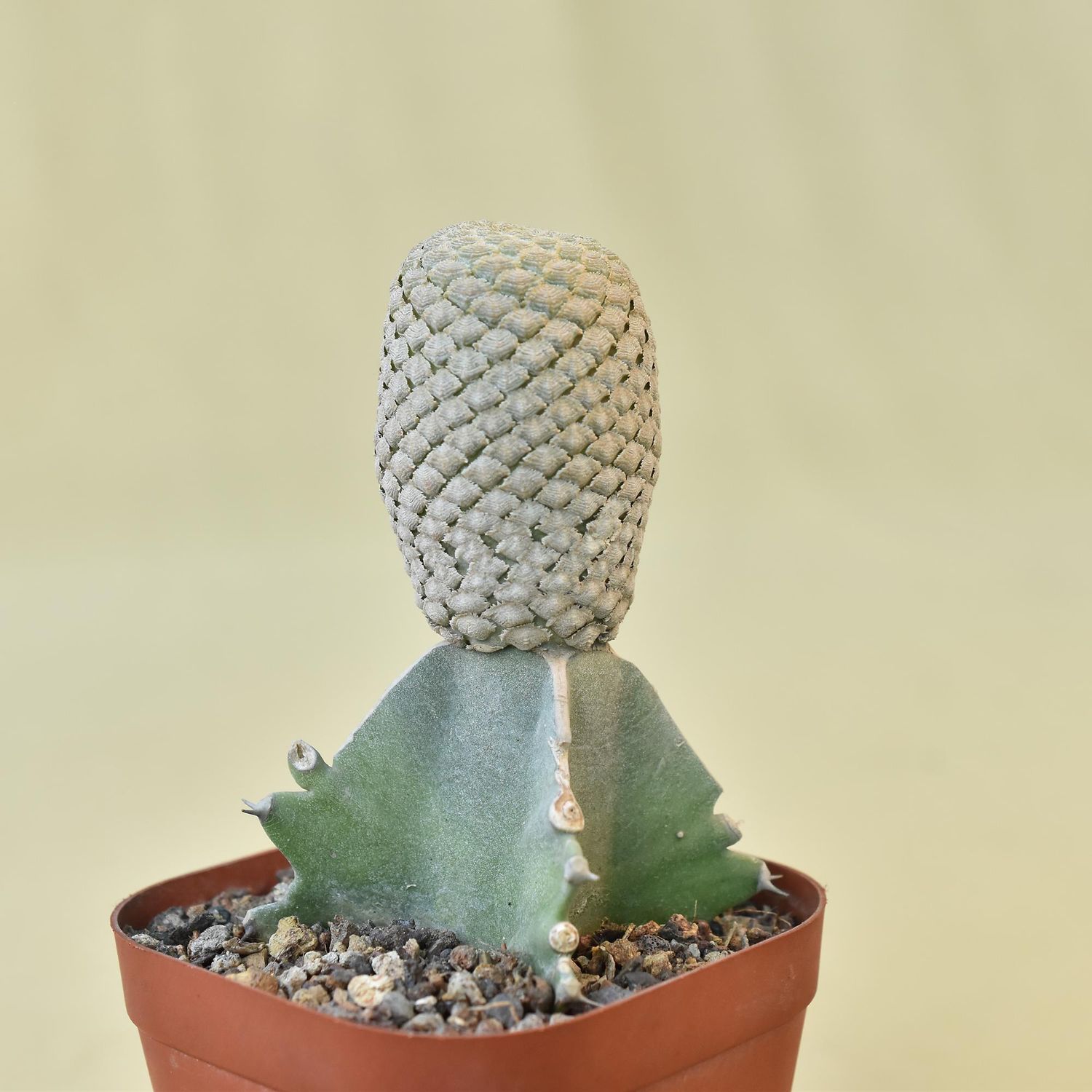
- Morphology: This globose, slow-growing succulent is characterized by its remarkable epidermis, which is entirely covered in small, overlapping, cream-colored scales that mimic fish scales.
- Habitat & Origin: This is a wild species endemic to a very restricted area in the Haud region of Ethiopia. It grows in limestone-rich, gypseous soils. Due to its limited distribution and slow growth rate, it is considered a high-priority species for sustainable cultivation; buyers should ensure specimens are nursery-propagated rather than wild-collected.
- Cultivation Profile:
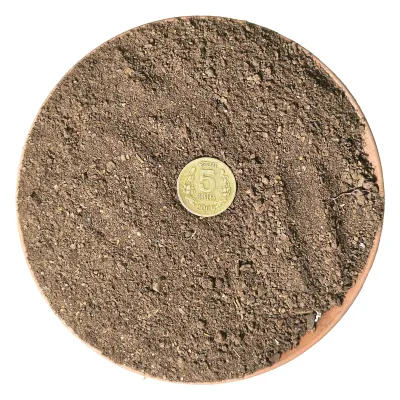
- Substrate: Use a strictly mineral-based mix (70% grit/pumice/perlite and 30% inorganic soil). Avoid peat or high-organic compost, which retains too much moisture for Indian humidity.
- Light: Requires bright, indirect sunlight. In the Indian subcontinent, provide 40–50% shade during peak summer afternoons to prevent scorching of the delicate epidermis.
- Water/Dormancy: Water sparingly during the growing season (March to October). In the Indian monsoon, keep the plant completely dry to prevent rot. During the winter dormancy, water should be withheld almost entirely.
- Scientific/Historical Anecdote: For nearly a decade after its discovery in the mid-1970s, Euphorbia piscidermis was considered a "holy grail" of succulents because it was notoriously difficult to keep alive on its own roots. Early collectors often had to graft it onto Euphorbia canariensis or Euphorbia mammillaris just to ensure its survival in cultivation outside of Ethiopia.
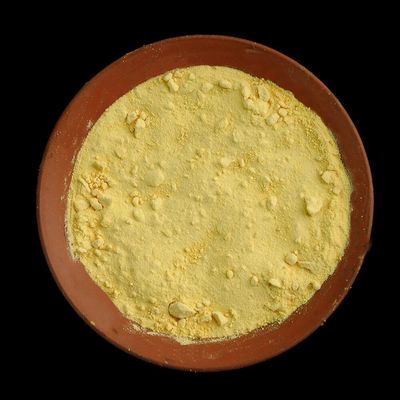
Soya Power Pack Amino acid Soya based 80% purity 800gm
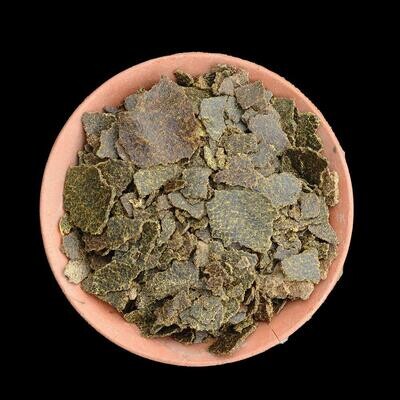
Soya Power Pack Amino acid Soya based 80% purity 800gm
Premium Soya-Based Amino Acid Plant Booster for Stronger Roots, Greener Growth & Stress-Resistant Plants
SKU MNS009
₹315.00