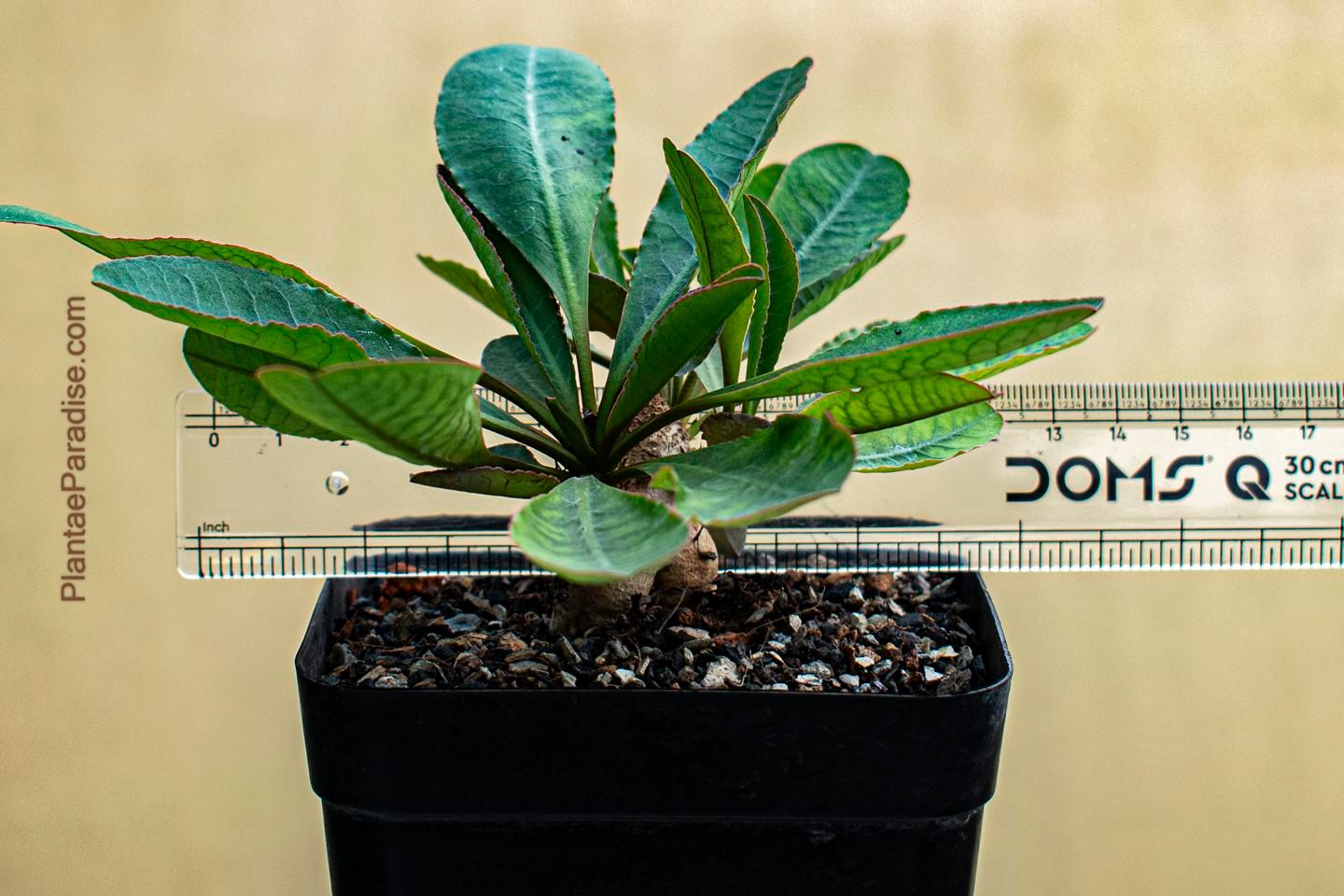
Origin of Name:
The genus name "Euphorbia" is derived from Euphorbus, a Greek physician who was known for using various plants in medicinal applications. The species name "primulaefolia" is derived from the Latin words "primula," meaning "first" or "early," and "folia," meaning "leaf," which indicates that the plant has leaves resembling those of prim roses (Primula). The synonym "subapoda" is derived from the Latin "sub," meaning "under" or "near," and "apoda," meaning "footless," which may refer to the plant's short, thick stems and growth habit.
Origin of Plant:
Euphorbia primulaefolia is native to Madagascar, where it typically grows in dry, rocky environments. It is well adapted to the island's unique climate, characterized by its arid conditions and seasonal rainfall.
Short Description:
Euphorbia primulaefolia is a succulent shrub characterized by its fleshy, rounded leaves that form a rosette at the top of short, thick stems. The plant has an overall compact and bushy appearance, making it an attractive addition to succulent collections. The leaves are often dark green and can exhibit a waxy surface. During the blooming period, Euphorbia primulaefolia produces small, yellow-green cyathia that are characteristic of the Euphorbia genus, adding subtle interest to its appearance.
Conservation Status:
Euphorbia primulaefolia is not currently classified as endangered; however, like many plants native to Madagascar, it faces risks from habitat degradation and deforestation. Cultivating this species in nurseries promotes sustainable gardening practices and helps to preserve its natural populations.
Care Instructions:
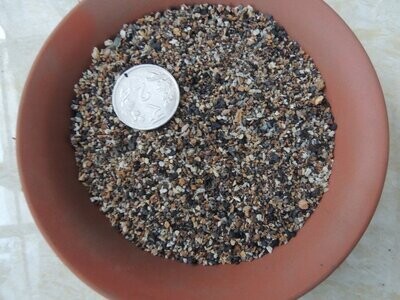
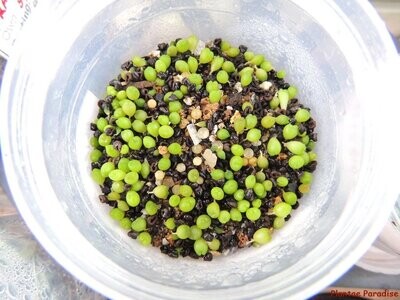
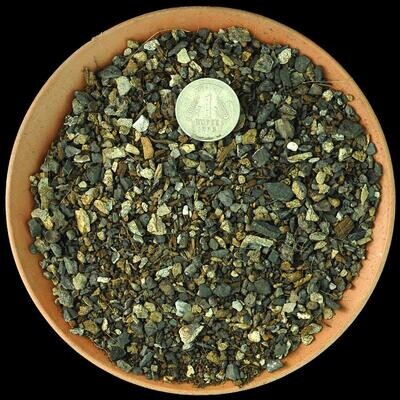
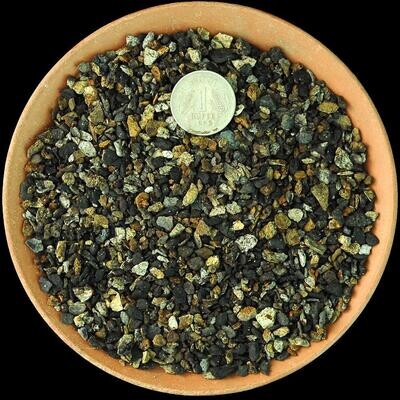
Euphorbia primulaefolia thrives in well-draining soil specifically designed for cacti and succulents. It prefers bright, indirect sunlight but can tolerate some direct sun exposure. Water the plant moderately, allowing the soil to dry out completely between waterings to prevent root rot. During the winter months, reduce watering as the plant's growth slows. Fertilize with a diluted, balanced fertilizer during the growing season to support healthy growth. Handle with care, as the plant's milky sap can be irritating to skin and eyes. This species can be an excellent choice for rock gardens or container displays due to its unique foliage and compact form.