Etymology
The genus name "Euphorbia" is derived from Euphorbus, a Greek physician who is known for his work in herbal medicine and the early medicinal uses of the plant latex produced by members of this genus. The species name "pubiglans" is derived from Latin, with "pubes" meaning "hairy" or "fuzzy," and "glans" referring to an acorn-like structure. This nomenclature highlights the distinctive characteristics of the plant, particularly its hairy or fuzzy appearance that tends to be present on its stems and flower structures, which can serve different ecological purposes, such as protecting the plant or aiding in moisture retention.
Synonyms
Euphorbia pubiglans may have been classified under several historical synonyms due to taxonomic revisions and nomenclatural changes. Common synonyms include "Euphorbia manika" and "Euphorbia caput-medusae," among others. These names arise from earlier botanical classifications and reflect the complex nature of plant taxonomy as scientists work to clarify relationships within the Euphorbia genus. It's essential to consult up-to-date taxonomic databases for the most current nomenclature.
Origin
Euphorbia pubiglans is native to Madagascar, specifically found in the dry forest regions and scrublands of the island. It typically grows in rocky, well-drained soils and is adapted to the warm, arid climate of its natural habitat. The plant thrives in environments with distinct wet and dry seasons, which influence its growth and reproductive cycles.
Description
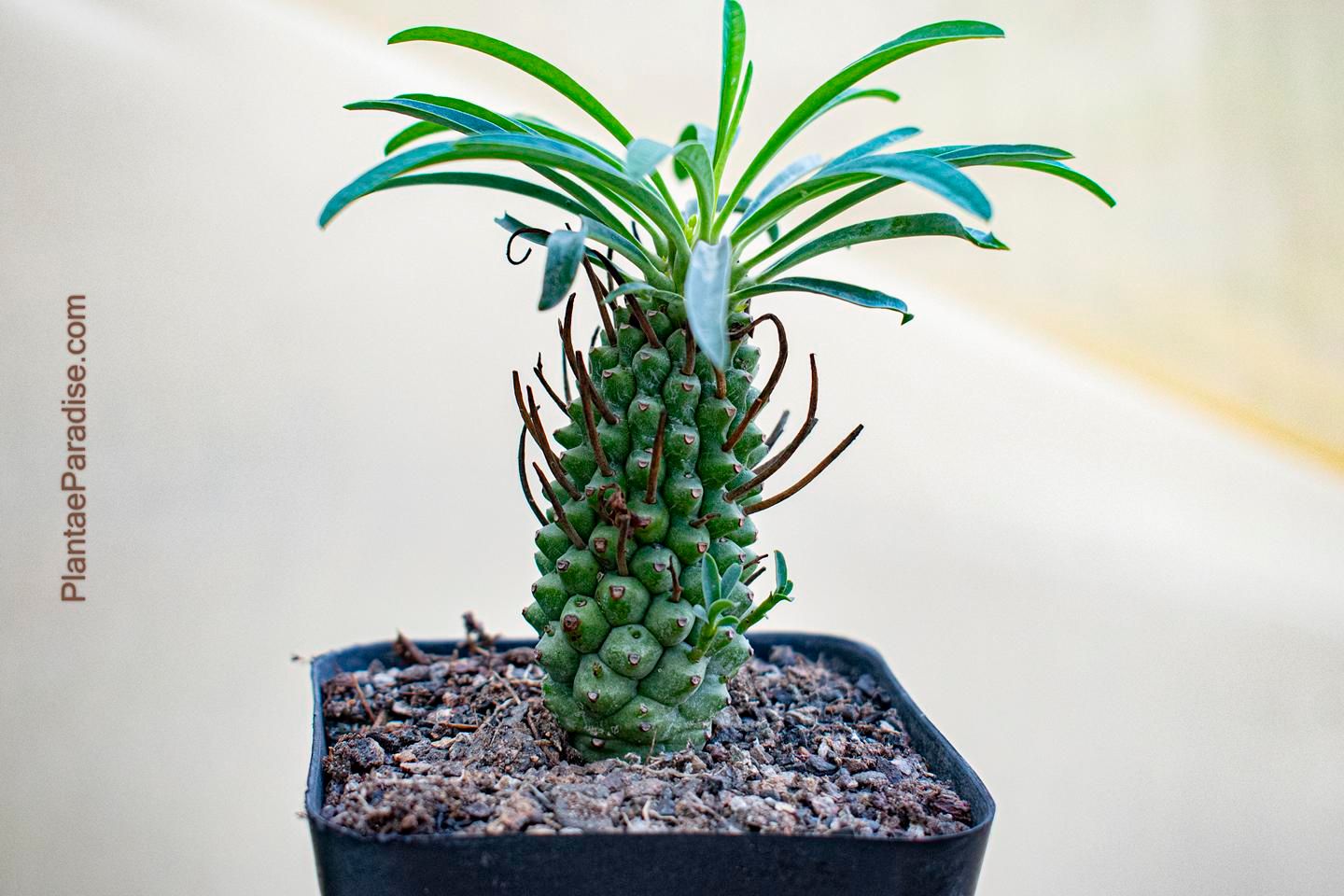
Euphorbia pubiglans is a distinctive succulent characterized by its cylindrical, fleshy stems that may reach heights of about 1 to 3 feet (30 to 90 cm). The stems are often covered in fine, hair-like structures that give the plant a fuzzy appearance. The leaves are sparse and typically appear in clusters at the stem tips; these are generally elliptical, glossy, and green, adapting to the plant's need for water conservation. During the flowering period, Euphorbia pubiglans produces small clusters of yellow-green cyathia, the cup-like structures containing the flowers, which are typical of the Euphorbia genus. The flowers are visually striking and can attract various pollinators.
Conservation Status
Euphorbia pubiglans is not currently classified as endangered, but its natural habitats face threats from deforestation and habitat degradation due to agricultural development and urbanization in Madagascar. Ongoing conservation efforts are important to preserve its native environment and promote sustainable practices.
Care Instructions
Euphorbia pubiglans can be cultivated with relative ease if provided with the right care. Here are the key guidelines for maintaining this unique succulent plant:
- Light: Prefers full sun exposure for optimal growth. Providing at least 6 to 8 hours of direct sunlight each day encourages healthy development and flowering.
- Water: Water sparingly, allowing the soil to dry completely between waterings. Overwatering can lead to root rot, particularly during the dormant winter months.
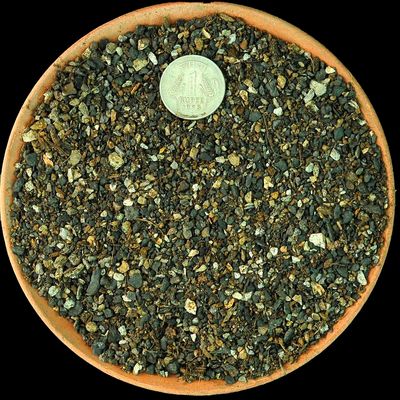
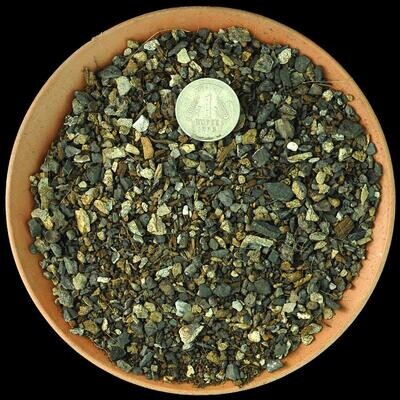
- Soil: Use a well-draining cactus or succulent mix to ensure proper drainage. Incorporating materials like perlite or coarse sand can enhance drainage properties.
- Temperature: Thrives in warm temperatures, ideally between 65°F to 85°F (18°C to 29°C). It is sensitive to frost and should be protected from temperatures below 30°F (-1°C).
- Humidity: Prefers low humidity levels similar to its native environment, promoting good air circulation to prevent fungal problems.
- Fertilization: During the growing season (spring and summer), apply a diluted cactus fertilizer once a month to support vigorous growth and flowering.