

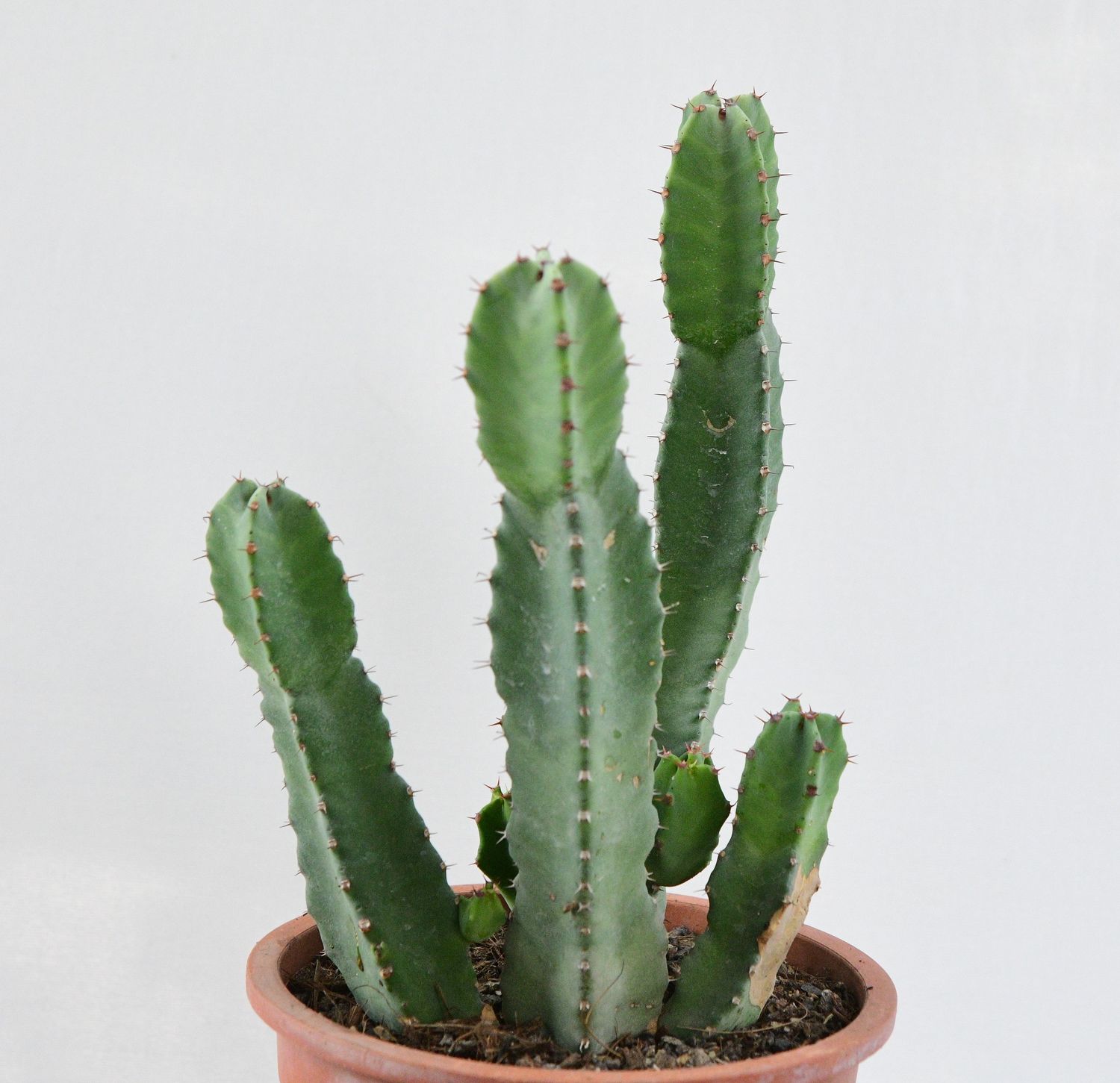
Euphorbia resinifera
Product Details
Ancient Geometry: Euphorbia resinifera
A living relic of the Atlas Mountains, this species is prized for its architectural precision and its status as one of the world's oldest documented medicinal succulents.
- Origin & History of Name: The genus Euphorbia was named by King Juba II of Numidia (c. 50 BC) after his Greek physician, Euphorbus, who used the plant’s latex in his practice. The specific epithet resinifera translates to "resin-bearing," referencing the thick, caustic milky sap (latex) that flows when the epidermis is breached—a substance historically known as "Euphorbium."
- Morphology: This succulent forms dense, cushion-like mounds composed of multi-angled, quadrangular stems.
- Habitat & Origin: This is a wild species endemic to the slopes of the Atlas Mountains in Morocco.
- Cultivation Profile:
- Substrate: Requires a coarse, mineral-heavy mix. Use a blend of 60% grit (lava rock or coarse sand) and 40% well-draining compost. In the Indian subcontinent, avoid heavy clay-based garden soils that retain excess moisture.
- Light: Thrives in bright, direct sunlight.
- Water/Dormancy: Highly drought-tolerant.
- Scientific/Historical Anecdote: Euphorbia resinifera contains a chemical called Resiniferatoxin (RTX).
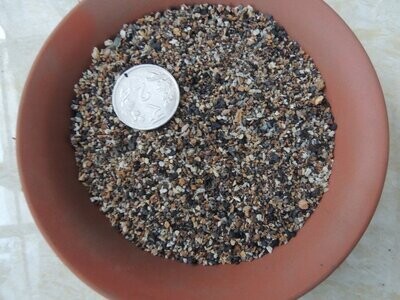
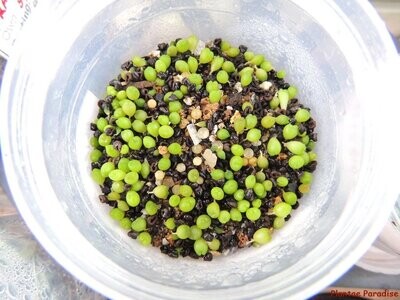
Cactus Seed Planting Mix
Cactus Seed Planting Mix
Sterile, Fine-Grain Media for Cactus & Succulent Seeds
SKU MNS005
₹74.85
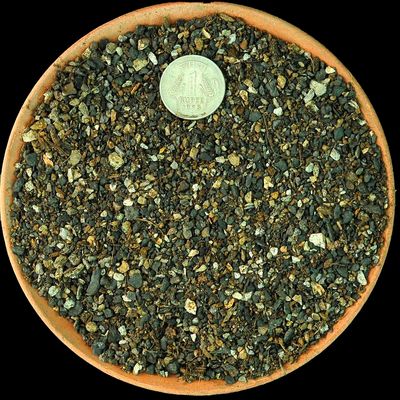
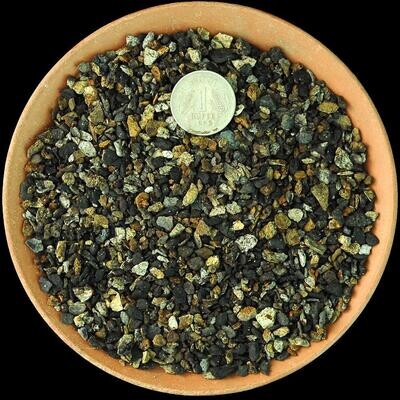
Cactus & Succulent Planting Mix COARSE (aka Cactus Soil Mix or Succulent Soil Mix)
Cactus & Succulent Planting Mix COARSE (aka Cactus Soil Mix or Succulent Soil Mix)
Washed, Free-Draining Mineral Mix for Cactus & Succulents
SKU MNS003
₹44.85
New
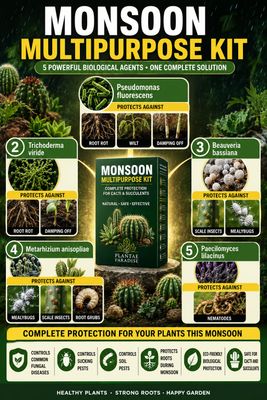
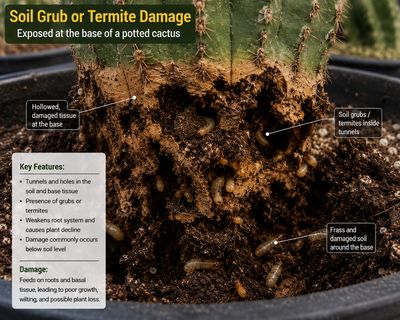
Monsoon Guardian Kit (5 in 1)
Monsoon Guardian Kit (5 in 1)
Complete 5-in-1 biological protection kit for cacti & succulents
SKU MNS024
₹850.00