Etymology
Euphorbia sakarahaensis derives its name from the extensive Euphorbia genus, named for Euphorbus, the physician of an ancient king, famed for discovering the medicinal qualities of certain plants. The specific epithet "sakarahaensis" indicates its association with the Sakaraha region in Madagascar, where this species is found. This naming convention helps identify its unique geographical origin, thereby honoring its native habitat and the characteristics that define it.
Origin
Euphorbia sakarahaensis is endemic to Madagascar, specifically hailing from the Sakaraha area located in the southwestern part of the island. Madagascar is known for its exceptional biodiversity and high rate of endemism, providing a unique ecological setting that fosters the growth of many unique plant species. Euphorbia sakarahaensis, like many Malagasy plants, has adapted to the island's distinct environmental conditions, often flourishing in dry, rocky soils typical of its native region.
Description
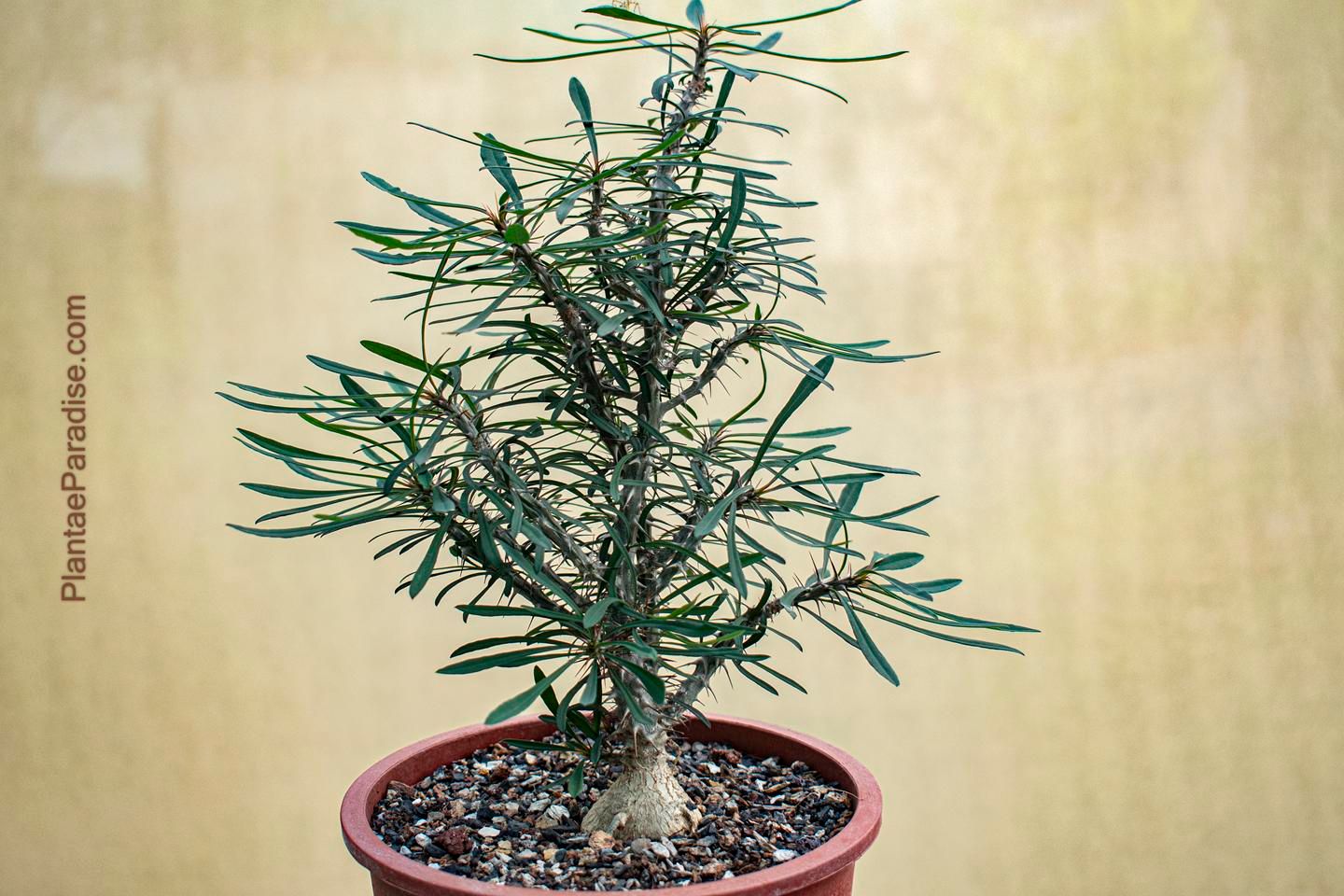
This succulent plant is noted for its distinctive appearance characterized by a compact, shrubby form with multiple stems. These stems are cylindrical, fleshy, and may exhibit a gray-green or bluish tint. The plant, while modest in size, possesses an intriguing architectural quality that makes it a visually appealing choice for collectors. During its flowering phase, Euphorbia sakarahaensis produces small, subtle flowers typical of the Euphorbia family, adding a delicate contrast to its robust structure.
Conservation Status
As with many endemic Malagasy species, Euphorbia sakarahaensis faces conservation challenges due to habitat loss and environmental pressures such as agriculture and deforestation. While specific conservation assessments may vary, the general concern for plants in this region emphasizes the importance of habitat protection and sustainable harvesting practices. Efforts are needed to ensure the survival of Euphorbia sakarahaensis through in-situ and ex-situ conservation measures.
Care
Euphorbia sakarahaensis is relatively easy to care for, making it suitable for a wide range of plant enthusiasts. It thrives in well-draining soil, ideally a cactus or succulent mix, and requires bright, indirect sunlight to replicate its natural habitat conditions. Watering should be infrequent, allowing the substrate to dry thoroughly between waterings to prevent root rot, particularly during the plant's dormant period in winter. Maintaining warm temperatures, avoiding exposure to cold below 50°F (10°C), is crucial for its wellbeing. When handling the plant, caution is advised due to its milky sap, which can irritate skin and eyes. Occasionally, a diluted, balanced fertilizer during the growing season can promote healthy growth and vitality.