Etymology
The genus name "Euphorbia" is derived from Euphorbus, a Greek physician known for his early documentation and medicinal use of latex-producing plants. The species name "schoenlandii" is named in honor of the botanist and plant collector, Dr. Rudolf Schoenland, who contributed significantly to the knowledge and classification of South African flora. This naming acknowledges Dr. Schoenland's work in studying and preserving various plant species, particularly in the regions where this species is found.
Synonyms
Euphorbia schoenlandii may appear under a few synonyms in botanical literature due to historical reclassification. Alternative names that have been used in the past include "Euphorbia edulis" and "Euphorbia dolichoceras." These synonyms arise from earlier taxonomic assignments and classification changes as botanists refine their understanding of species relationships within the Euphorbia genus.
Origin
Euphorbia schoenlandii is native to southern Africa, primarily found in the regions of South Africa and Namibia. It typically inhabits arid and semi-arid environments, thriving in rocky, well-drained soils where it can withstand dry conditions. The plant is well-adapted to survive in the harsh climates of its native habitat, characterized by limited rainfall and high temperatures.
Description
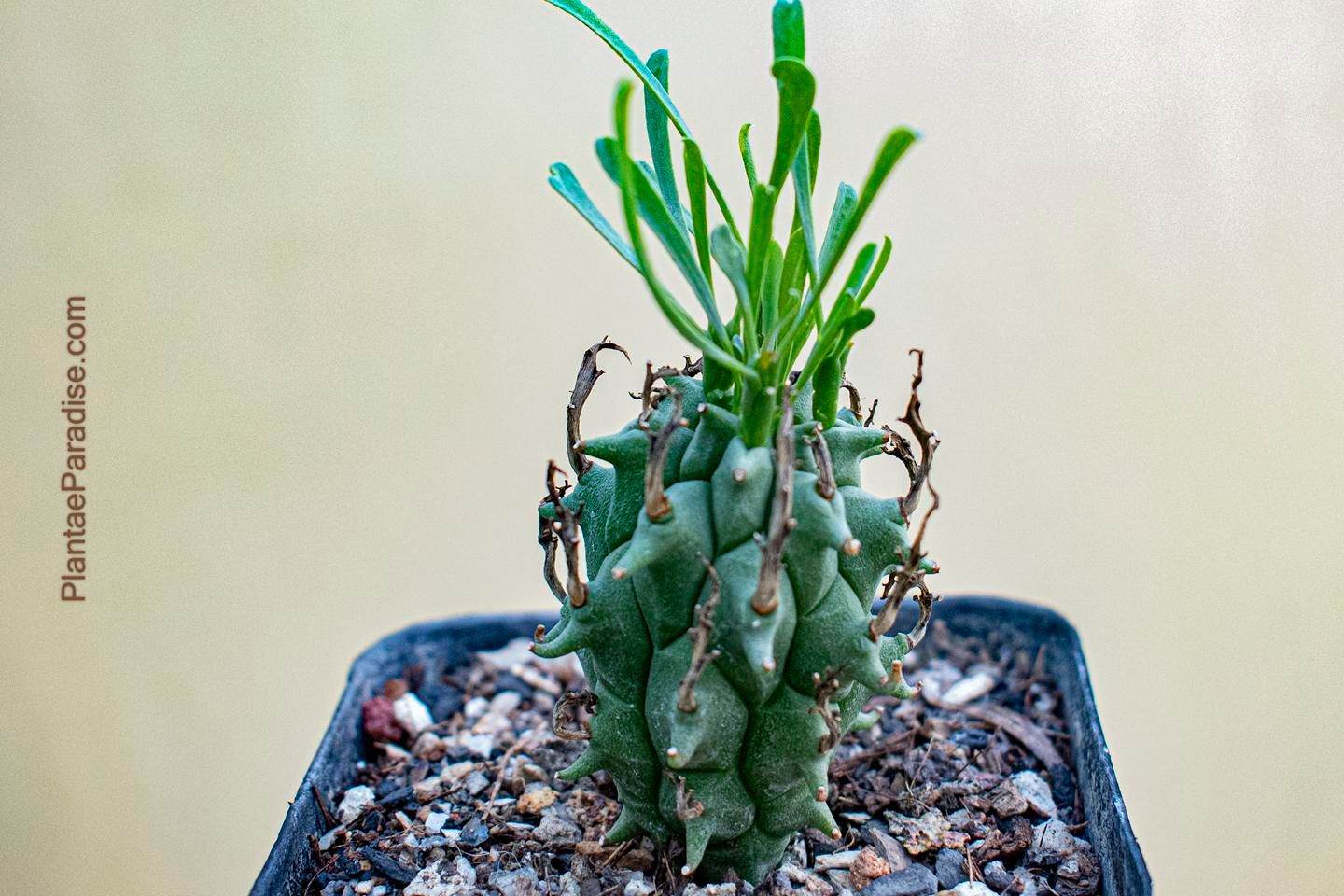
Euphorbia schoenlandii is a distinctive succulent plant known for its unique growth form and structure. It features a robust, cylindrical stem that can reach heights of 1 to 3 feet (30 to 90 cm). The stem is generally green and ribbed, adorned with small, sharp, spine-like structures, which serve both decorative and protective purposes. The leaves are lanceolate, succulent, and typically clustered at the stem's apex, displaying a rich green color. During the flowering season, Euphorbia schoenlandii produces small clusters of yellow-green flowers, exhibited in the distinctive cyathium structure characteristic of the Euphorbia genus. The plant’s overall appearance and flowering habit make it an attractive addition to succulent collections.
Conservation Status
Currently, Euphorbia schoenlandii is not classified as endangered; however, its populations may be threatened by habitat destruction due to agricultural expansion and urban development. Conservation efforts are vital to protecting its natural habitat and ensuring sustainable use and preservation of this species.
Care Instructions
Euphorbia schoenlandii can be cultivated effectively with the right care. Here are essential guidelines for maintaining this unique succulent:
- Light: Prefers full sun exposure. Providing at least 6 to 8 hours of direct sunlight daily is crucial for healthy growth and flowering.
- Water: Water sparingly, allowing the soil to dry out completely between waterings. Overwatering can lead to root rot, especially in cooler months when growth may slow down.
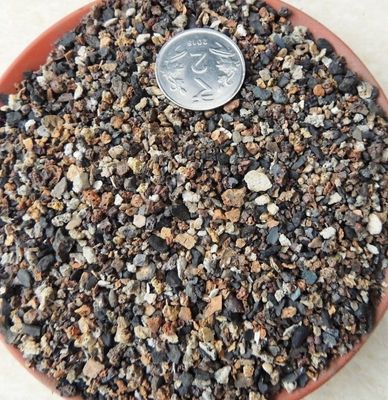
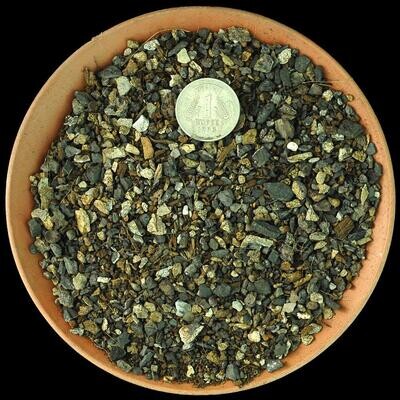
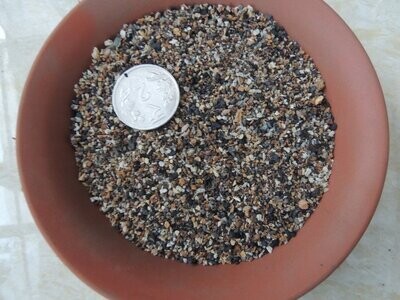
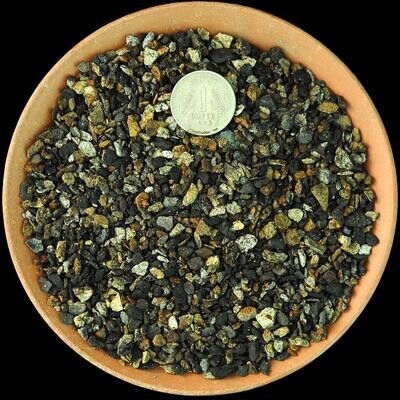
- Soil: Use a well-draining cactus or succulent mix to ensure appropriate drainage. A mix with added perlite or coarse sand can improve drainage and aeration.
- Temperature: Thrives in warm conditions, ideally between 65°F to 85°F (18°C to 29°C). It is sensitive to frost and should be protected from temperatures below 30°F (-1°C).
- Humidity: Prefers low humidity levels, reflecting its native arid conditions. Ensure good air circulation around the plant to prevent mold issues.
- Fertilization: During the growing season (spring and summer), apply a diluted cactus fertilizer every 4 to 6 weeks to support healthy growth and flowering.