Origin of Name
Euphorbia sepulta is a unique species within the diverse Euphorbia genus. The genus name 'Euphorbia' honors the Greek physician Euphorbus. The specific name 'sepulta', meaning 'buried' or 'hidden' in Latin, reflects this plant's growth habit, often partially submerged or obscured by surrounding rocks or soil in its natural habitat. This name highlights one of the most intriguing aspects of the plant's natural presentation.
Technical Description of Plant
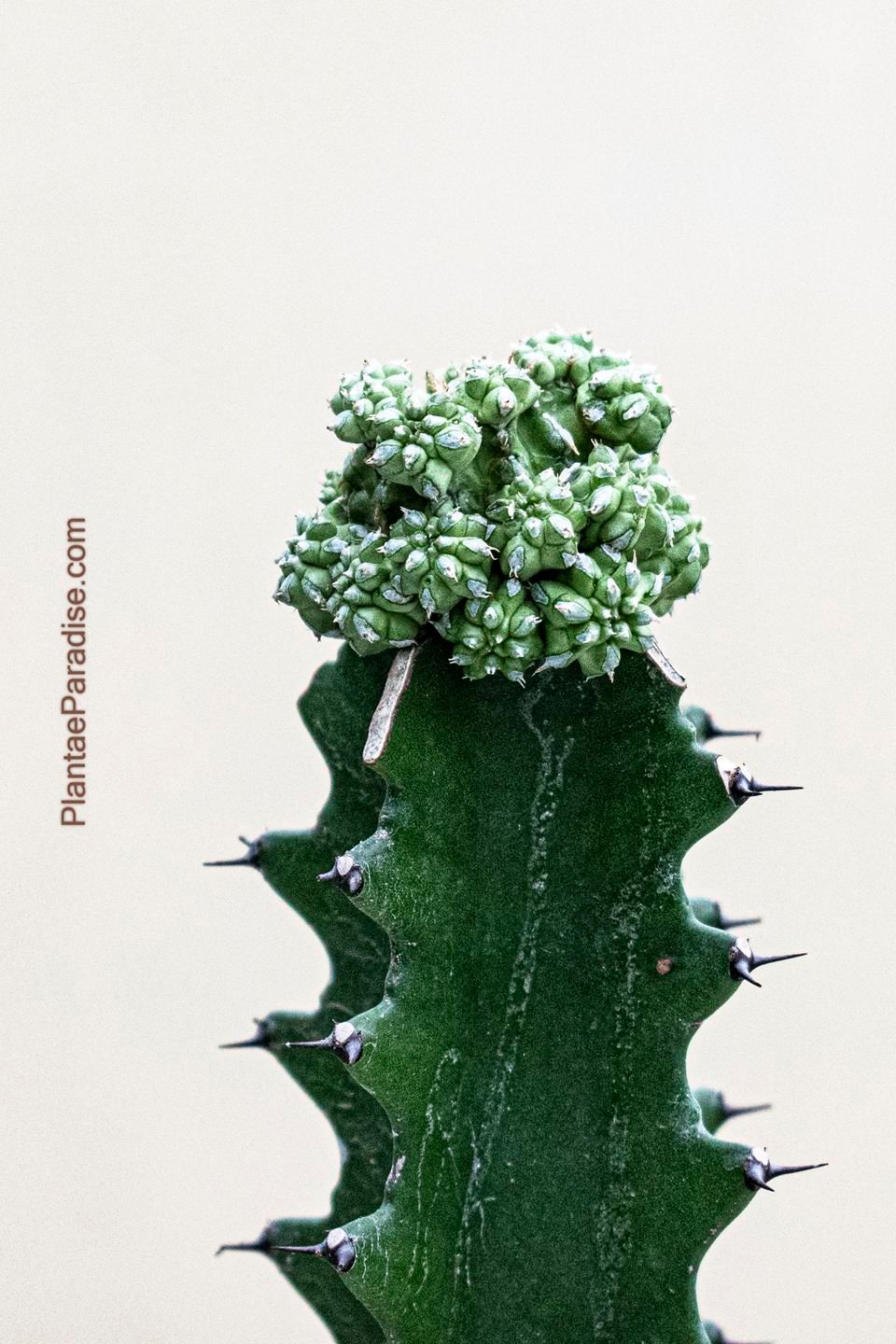
Euphorbia sepulta is a small, perennial succulent, known for its unassuming yet fascinating appearance. The plant is characterized by its short, subterranean stems, which often grow below the soil surface. The visible part consists primarily of the new growth, appearing as small, rounded, green bodies covered with a waxy, protective coating. Unlike typical Euphorbias, it lacks prominent spines or thorns. The plant produces inconspicuous yellow flowers that are small and blend seamlessly with the rest of the plant.
Origin of Plant
Native to South Africa, Euphorbia sepulta thrives in arid, rocky environments. Its growth below the soil surface is an adaptation to the harsh, dry conditions of its native habitat. This survival strategy helps the plant conserve moisture and protect itself from the intense sun and heat.
Conservation Status
Euphorbia sepulta is not listed as an endangered species. However, habitat loss and environmental changes pose threats to its natural populations. Sustainable cultivation and trade practices are essential to ensure the survival of this species in the wild.
Care Instructions
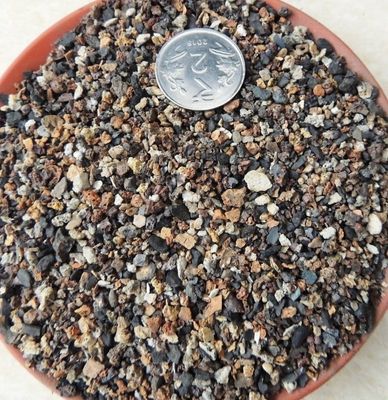
Euphorbia sepulta is a low-maintenance plant that suits succulent enthusiasts. It prefers bright, indirect light and a well-draining soil mix typical for succulents. Water sparingly, allowing the soil to dry completely between waterings, and avoid waterlogging to prevent root rot. During winter, minimize watering to simulate its natural dormant period. The plant is not frost-tolerant and should be protected from extreme cold. Fertilize lightly during the active growing season for optimal health.