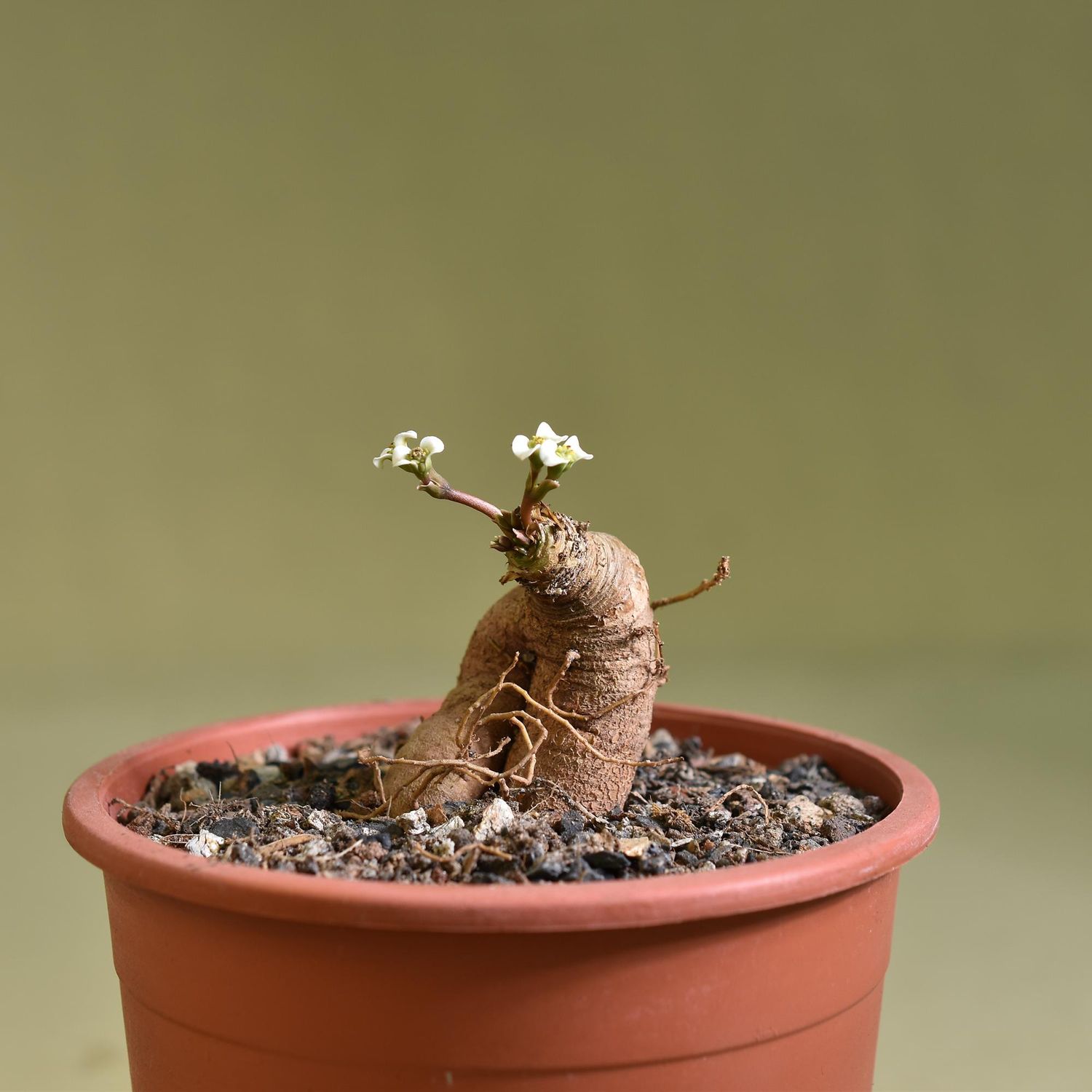
Euphorbia spannringii Fish bone
Product Details
Architectural Skeleton: Euphorbia spannringii 'Fish bone'
An avant-garde succulent masterpiece featuring a distinctive skeletal silhouette that is highly sought after by xeric enthusiasts.
- Origin & History of Name: The genus Euphorbia was named by King Juba II of Numidia in honor of his Greek physician, Euphorbus, who used the plant’s caustic latex medicinally. The species name spannringii honors the Austrian plant collector Jürgen Spannring, who discovered the species in the late 20th century.
The cultivar name 'Fish bone' describes the unique, serrated branching pattern that mimics the vertebrate structure of a fish. - Morphology: This plant is characterized by its succulent blue-green stems that exhibit a unique pinnatifid growth habit. The epidermis is waxy to prevent moisture loss, and the stems feature prominent, tooth-like notches or tubercles along the margins. Unlike many other Euphorbias, this species is relatively spineless but produces a milky, irritating latex typical of the family if the stem is punctured.
- Habitat & Origin: This is a wild species endemic to the dry, rocky limestone hills of the Sofia region in northern Madagascar. Due to habitat loss in its native range, this plant is increasingly rare. Our specimens are exclusively produced through ex-situ conservation and nursery propagation to ensure no wild populations are disturbed.
- Cultivation Profile:
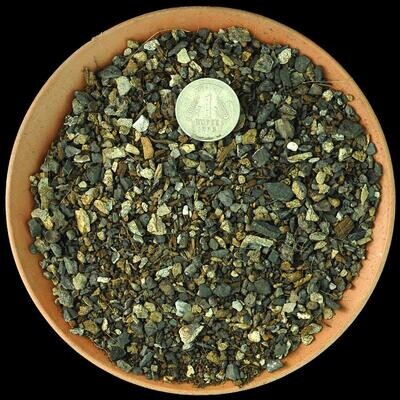
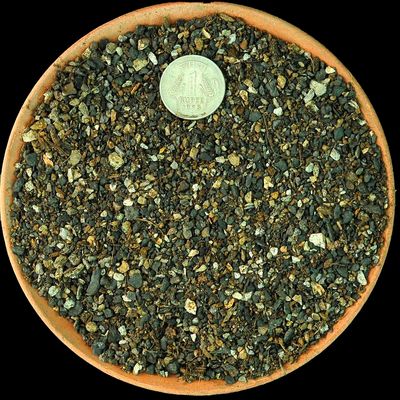
- Substrate: Use an extremely well-draining mineral-based mix (80% coarse sand, lava rock, or crushed brick and 20% compost). In the Indian subcontinent, avoid peat-heavy mixes which retain too much heat and moisture.
- Light: Thrives in full sun to very bright filtered light. In North India, protect from the harshest afternoon sun in May and June; in South India, it can handle year-round brightness if ventilation is high.
- Water/Dormancy: Provide moderate water during the hot growing season, allowing the pot to dry out completely. Practice strict dry dormancy during the cooler winter months (December–February) to prevent root rot.
- Scientific/Historical Anecdote: Euphorbia spannringii is a prime example of convergent evolution, where plants develop similar physical traits to unrelated species (like certain cacti) to survive in arid environments.
Interestingly, many Madagascan Euphorbias were only "discovered" by the Western scientific community in the last 50 years, making them relatively new and exciting additions to the world of modern botany.
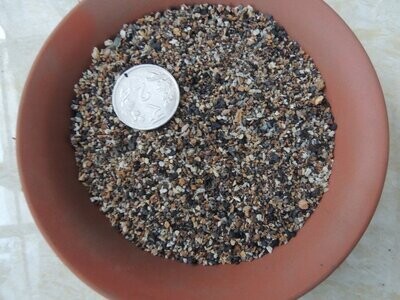
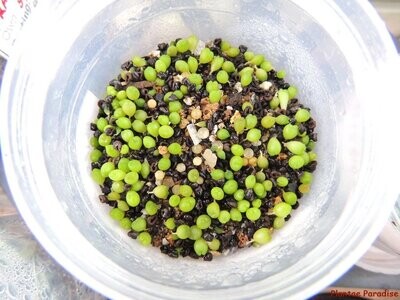
Cactus Seed Planting Mix
Cactus Seed Planting Mix
Sterile, Fine-Grain Media for Cactus & Succulent Seeds
SKU MNS005
₹74.85
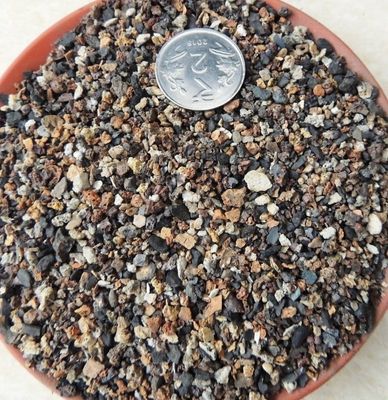
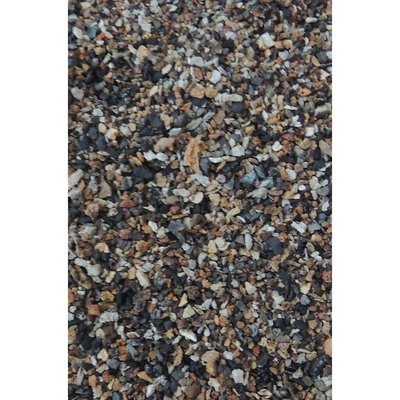
Cactus & Succulent Planting Mix FINE (aka Cactus Soil Mix or Succulent Soil Mix)
Cactus & Succulent Planting Mix FINE (aka Cactus Soil Mix or Succulent Soil Mix)
Fine-Grain Potting Mix for Cactus & Succulent Roots
SKU MNS001
₹39.85