Name: Euphorbia trigona
Origin: Native to Central Africa, Euphorbia trigona, also known as the "African Milk Tree," naturally grows in the arid and semi-arid regions, adapting well to environments with sparse rainfall and plenty of sunlight.
Origin of Name: The genus name "Euphorbia" honors Euphorbus, the physician of King Juba II of Mauritania, who was known for employing the plant for medicinal purposes. The species name "trigona" refers to its triangular-shaped stems.
Conservation Status: Not considered threatened, Euphorbia trigona is widely cultivated and propagated, making it readily available in the horticultural trade.
Description:
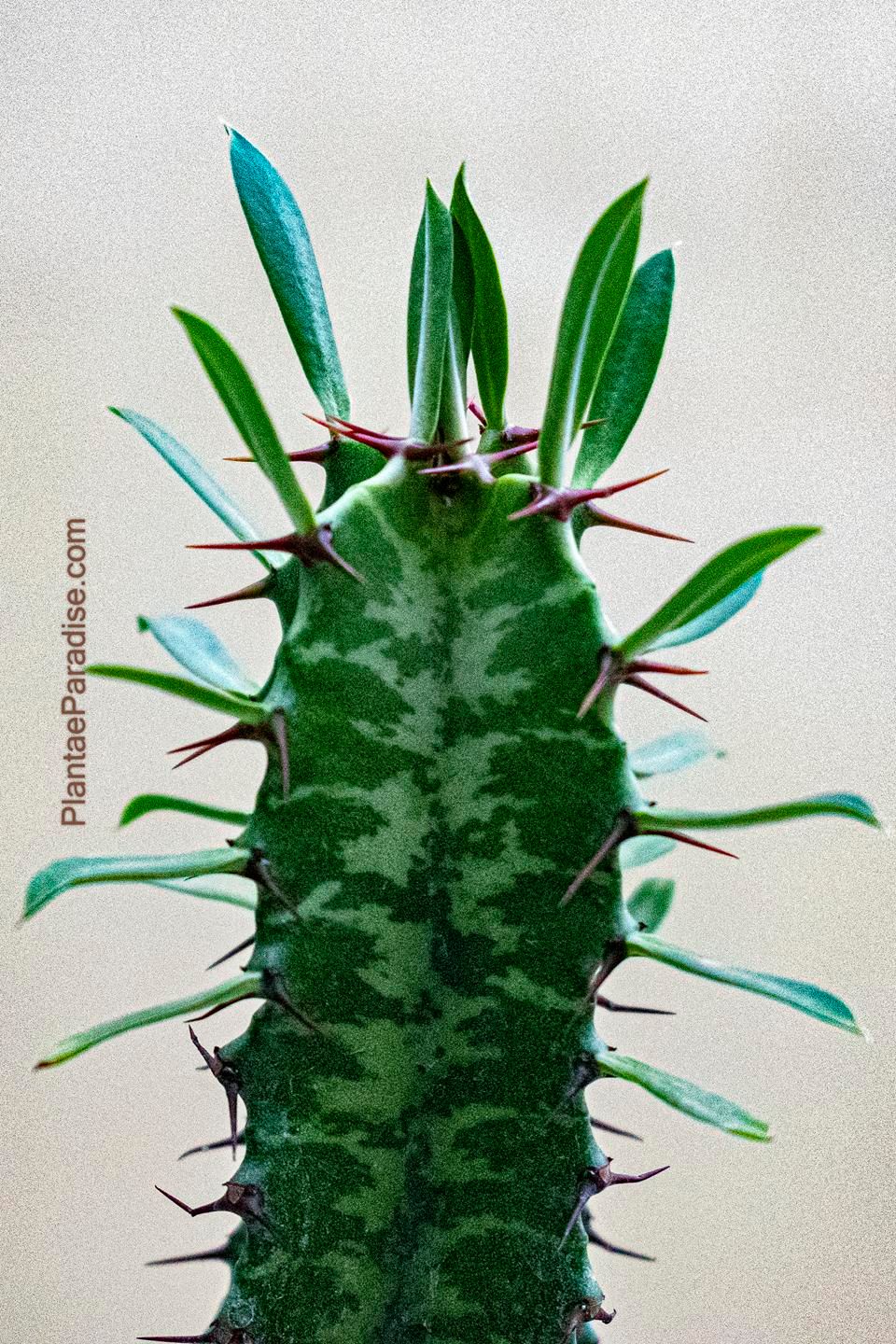
Euphorbia trigona is an upright, columnar succulent known for its three-sided stems and distinctive, spiny ridges. The stems are a lush green with marbled patterns, often complemented by contrasting red or burgundy tinges along the edges and spines, especially in its 'Ruby' variety. The plant forms small, tear-shaped leaflets along the ridges, adding to its visual appeal. While it rarely flowers indoors, its architectural form and resilience make it a popular choice for indoor decoration.
Care Instructions:
- Light: Prefers bright, indirect sunlight but can tolerate some direct light. It thrives near southern or eastern-facing windows for optimal growth.
- Water: Allow the soil to dry out completely between waterings to prevent root rot. Water sparingly, particularly in the winter months when the plant's growth slows.
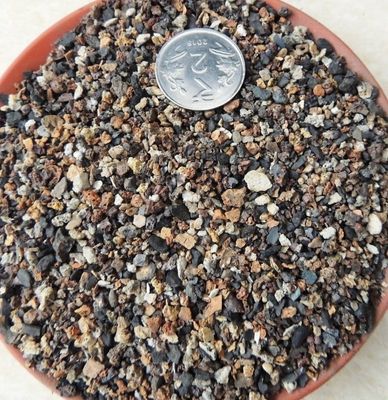
- Soil: Use a well-draining cactus or succulent mix to ensure excess moisture is quickly removed, preventing soggy soil conditions.
- Temperature: Prefers warm temperatures ranging from 65-75°F (18-24°C). Protect from cold drafts and frost, as it is sensitive to low temperatures below 50°F (10°C).
- Additional Tips: Handle with care, as its latex sap can be irritating to the skin and toxic if ingested. Regular pruning may be needed to maintain shape and prevent overgrowth indoors.
Uses & Significance:
Euphorbia trigona is highly valued for its vertical growth habit and striking appearance, making it ideal for adding height and architectural interest to interior spaces. It is frequently used in decorative pots and as part of modern décor due to its dramatic form and low maintenance.