

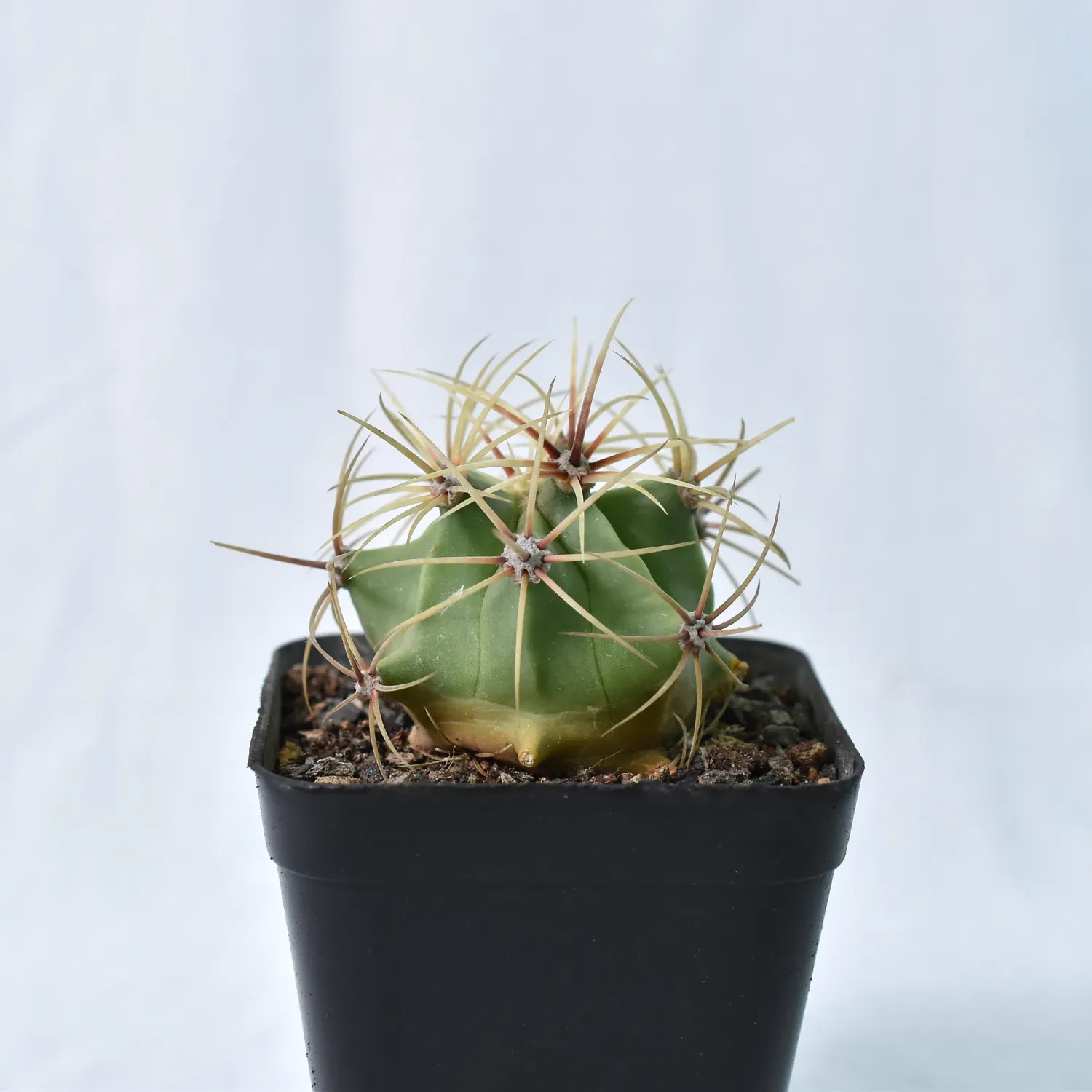
Ferocactus electracanthus
Product Details
Golden Spines of Mexico: Ferocactus electracanthus
An architectural marvel featuring amber-toned weaponry and a robust, sun-loving disposition.
- Origin & History of Name: The genus name Ferocactus is derived from the Latin ferox (fierce), referring to the plant’s formidable spines. The specific epithet electracanthus combines the Greek elektron (amber) and akantha (spine), describing the translucent, glowing quality of its thorns when backlit by the sun.
It was historically described by botanist Charles Lemaire in the mid-19th century as part of the diversification of barrel cacti classification. - Morphology: This solitary barrel cactus features a globose to cylindrical epidermis that transitions from bright green to glaucous gray with age. It is characterized by prominent, sharp-edged costae (ribs) that provide structural rigidity and allow for expansion during water uptake. The areoles produce thick, flattened central spines and radiating radial spines, often displaying a "hooked" tip typical of the genus.
- Habitat & Origin: This is a wild species native to the high-altitude volcanic plateaus of Central Mexico, specifically within the states of Querétaro, San Luis Potosí, and Hidalgo. Our specimens are nursery-grown from seed to ensure the protection of wild populations and adhere to sustainable horticultural practices.
- Cultivation Profile:
- Substrate: Use a strictly mineral-based mix (70% grit/pumice/broken brick and 30% organic matter) to prevent root rot in humid Indian climates.
- Light: Requires full sun to develop intense spine coloration; in extreme North Indian summers (above 40°C), provide 30% shade cloth during peak afternoon hours to prevent scorching.
- Water/Dormancy: Follow a "soak and dry" method during the March–September growth phase. Maintain a strict dry dormancy during the monsoon and winter months to mimic its arid native habitat.
- Scientific/Historical Anecdote: Ferocactus species were historically utilized by indigenous populations as "emergency" water sources.
By slicing off the top of the plant and mashing the internal pulp, travelers could extract a liquid that, while alkaline and slightly unpleasant, provided life-saving hydration in the Mexican deserts.

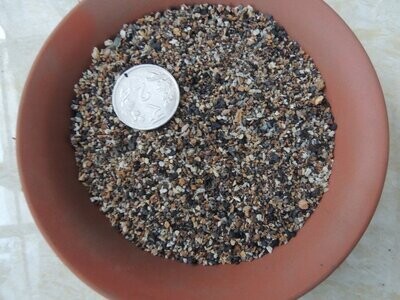
Cactus & Succulent Planting Mix COARSE (aka Cactus Soil Mix or Succulent Soil Mix)
Cactus & Succulent Planting Mix COARSE (aka Cactus Soil Mix or Succulent Soil Mix)
Washed, Free-Draining Mineral Mix for Cactus & Succulents
SKU MNS003
₹44.85
New

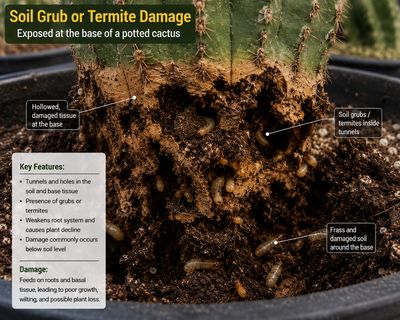
Monsoon Guardian Kit (5 in 1)
Monsoon Guardian Kit (5 in 1)
Complete 5-in-1 biological protection kit for cacti & succulents
SKU MNS024
₹850.00
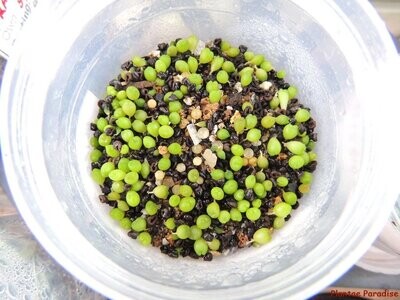
Cactus Seed Planting Mix
Cactus Seed Planting Mix
Sterile, Fine-Grain Media for Cactus & Succulent Seeds
SKU MNS005
₹74.85


Cactus & Succulent Planting Mix FINE (aka Cactus Soil Mix or Succulent Soil Mix)
Cactus & Succulent Planting Mix FINE (aka Cactus Soil Mix or Succulent Soil Mix)
Fine-Grain Potting Mix for Cactus & Succulent Roots
SKU MNS001
₹39.85